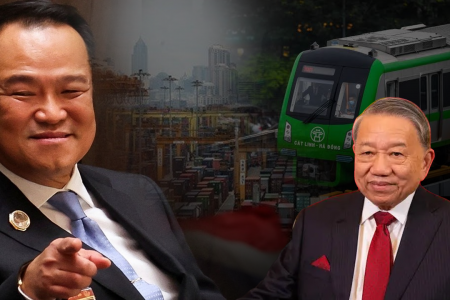
Behind the U.S.’s recent trade decisions regarding Vietnam may lie an unwelcome message: if the partnership is to go further, Washington wants Hanoi to demonstrate that Vietnam’s development is increasingly aligned with the standards the U.S. considers fundamental. Simply put, this is not just about goods, tariffs, or the trade balance. It’s also about the rules of the game.
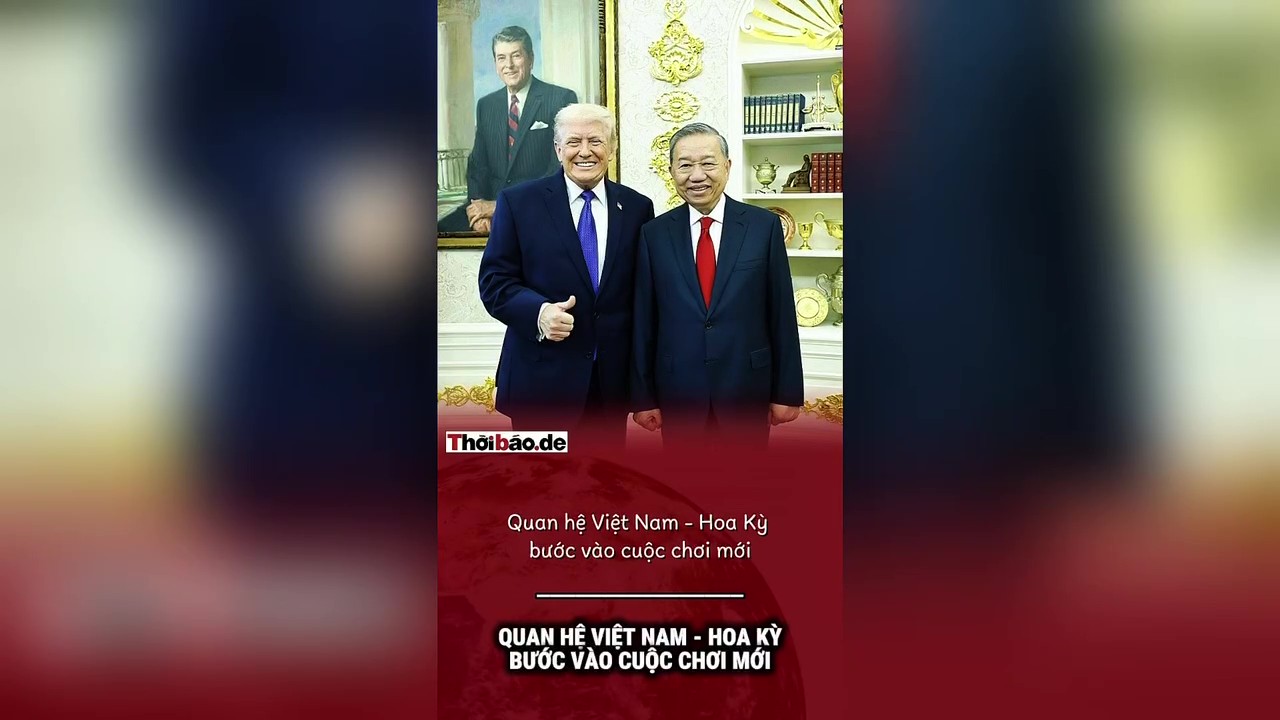
For Vietnam, this is clearly no simple task. On one hand, there is the need to expand markets, attract investment, and maintain economic ties with a key partner. On the other hand, there are demands regarding standards, transparency, and the way the economy operates—aspects that Washington wants to see more clearly.
However, in international relations, no one gives anything away for free. When an economy wants to enter the big leagues, major partners will also set their own conditions. The question is how Vietnam will respond: will it adjust to adapt, negotiate to protect its interests, or continue to be caught between two choices? Ultimately, a “long-term partnership” isn’t built solely on flowery diplomatic rhetoric. It’s also measured by the ability of both sides to accept each other’s rules of the game. And this time, it seems Washington is reminding Hanoi: if you want to play along, prove that you’re truly ready.
https://www.facebook.com/share/p/1BuTmkFdPj/