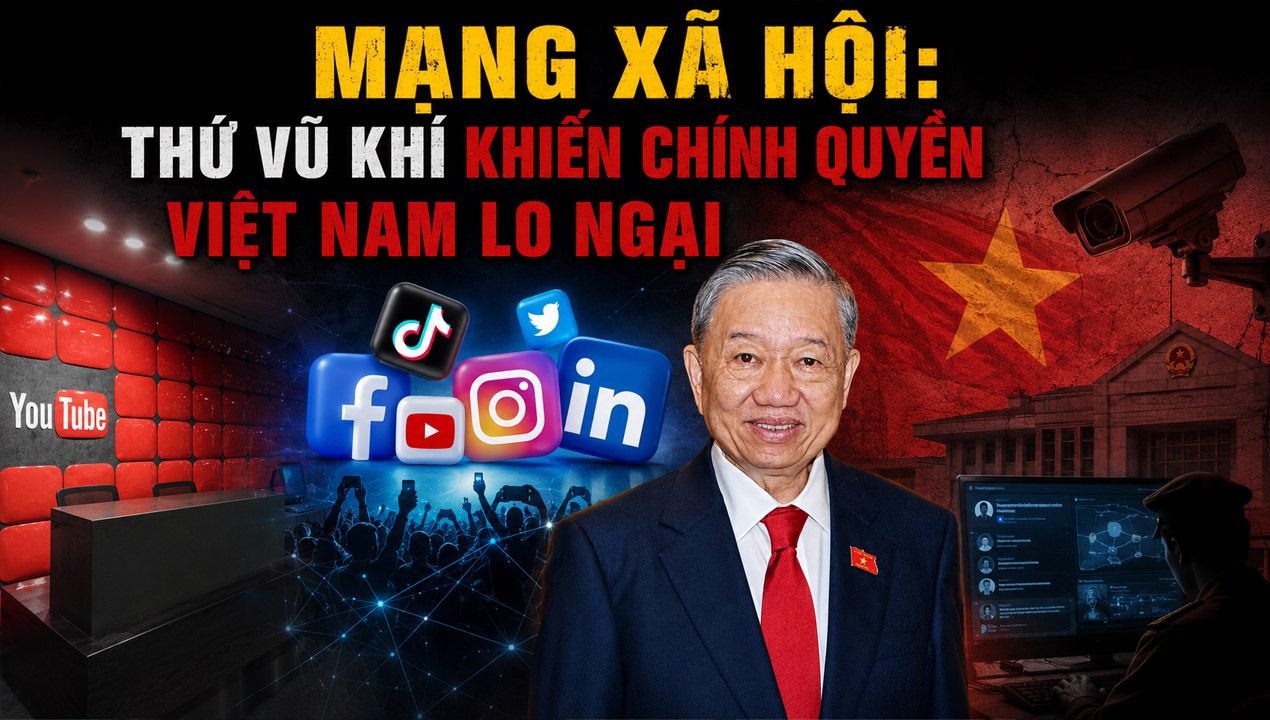
Sau Đại hội 14, nhà nước Việt Nam đã đẩy mạnh bước đi mang tính bước ngoặt trong quản lý khi thu gọn đầu mối truyền thông, đưa các cơ quan báo chí chủ lực của Đảng và Nhà nước về mô hình Đảng quản lý trực tiếp. 

Động thái này nhằm thiết lập một không gian thông tin thống nhất, tăng cường khả năng định hướng dư luận và thu hẹp tối đa nhất các luồng phản biện xã hội trái chiều. 

Tuy nhiên, việc siết chặt các kênh truyền thông như vừa kể đang chạm phải một bức tường cản mới, đó là sự sáng tạo công nghệ của thế hệ trẻ Gen Z.

Sự kiện website “Cây Tưởng Niệm 55” bị nhà nước Việt Nam đánh sập mới đây đã trở thành một ví dụ điển hình cho cuộc va chạm này. 

Thay vì chấp nhận sự biến mất của dữ liệu, các lập trình viên thuộc thế hệ Gen Z đã nhanh chóng chuyển toàn bộ những lời nhắn tưởng niệm “Gốc cây Công lý” lên mạng lưới blockchain Arbitrum. 

Bằng cách lưu trữ phi tập trung, dữ liệu sau khi ghi nhận sẽ được hàng nghìn máy tính trên toàn cầu cùng lưu trữ, khiến việc xóa bỏ hay can thiệp từ một máy chủ đơn lẻ kể từ nay sẽ trở nên bất khả thi.

Đáng chú ý, rào cản kỹ thuật và chi phí cũng nhanh chóng được san phẳng khi một vài người trẻ khác đứng ra tài trợ toàn bộ phí giao dịch (phí gas). Người dân có thể dễ dàng gửi thông điệp mà không cần kiến thức về ví điện tử hay tiền mã hóa. 

Cho dù tên miền có bị tước bỏ hay giao diện web bị thay đổi, nhưng các bản ghi trên chuỗi khối vẫn tồn tại song song với sự vận hành của mạng lưới Arbitrum.

Sự kiện này cho thấy một thực tế rõ ràng: trong kỷ nguyên số, các công cụ quản lý hay rào cản kỹ thuật truyền thống của nhà nước Việt Nam đang đối mặt với những thách thức chưa từng có. 

Khi chính sách cố gắng thâu tóm và đóng khung không gian thông tin, thì giới trẻ Gen Z lại tìm thấy những kẽ hở công nghệ để mở ra các không gian lưu trữ tự do hơn và khó đảo ngược trong cách thế hệ trẻ tiếp cận và bảo vệ thông tin.

Hồng Lĩnh – Thoibao.de
 

Truyền thông nhà nước đưa tin, Thường trực Ban Bí thư Trần Cẩm Tú tới thăm chính thức Singapore từ ngày 24 đến 25 tháng 8/2026, và đây là một sự kiện đặc biệt quan trọng. 

Vậy làm thế nào một quốc gia do Đảng Hành động Nhân dân Singapore (PAP) thống trị liên tục suốt 67 năm qua lại xây dựng được một bộ máy liêm chính, hiệu quả và thịnh vượng bậc nhất thế giới? 

Trong khi một thể chế chính trị độc đảng khác tương tự ở Việt Nam lại liên tục loay hoay trong vòng xoáy của vấn nạn tham nhũng và cán bộ tha hóa một cách hết sức trầm trọng?

Theo giới chuyên gia về quản lý nhà nước, sự khác biệt cốt lõi không nằm ở cái nhãn độc đảng hay đa đảng, mà đến từ phương thức vận hành của hệ thống chính trị mang tính quyết định tất cả. 

Theo đó, ngay từ những ngày đầu, Đảng cầm quyền (PAP) liên tục săn lùng những bộ óc xuất sắc nhất từ khu vực tư nhân, giới học thuật và quân đội để đưa vào quản lý bộ máy chính quyền. 

Trong mô hình trọng dụng nhân tài thực chất này, năng lực của quan chức Singapore được đo lường bằng hiệu quả quản lý, thay vì đo đếm bằng thâm niên hay lòng trung thành ý thức hệ thuần túy như Đảng CSVN. 

Trái lại, tại Việt Nam, quy trình tuyển dụng và thăng tiến bị chi phối nặng nề bởi lý luận chính trị, cơ cấu quy hoạch và các mối quan hệ thân hữu hay con ông cháu cha đã tạo ra một bộ máy cồng kềnh nhưng kém hiệu quả.

Đáng chú ý, trong việc chống tham nhũng, Singapore giải quyết tận gốc vấn đề bằng chiến lược 3 trụ cột khiến quan chức nước này “không cần, không thể và không dám tham nhũng”. 

Cụ thể, việc trả lương cho các Bộ trưởng lên tới hơn một triệu đô la/năm, là mức cao nhất thế giới dựa trên triết lý rất rõ ràng của ông Lý Quang Diệu, đó là, “lương cao để thu hút tinh hoa và dập tắt động cơ nhận hối lộ”. 

Đi kèm với chế độ đãi ngộ vượt trội đó thì Cục Điều tra Hành vi Tham nhũng, một cơ quan độc lập tuyệt đối đặt dưới quyền quản lý trực tiếp của Thủ tướng, sở hữu quyền lực tối cao để điều tra bất kỳ ai mà tuyệt đối không có vùng cấm. 

Nhìn sang Việt Nam, mức lương công chức quá thấp đã vô tình biến thu nhập ngoài luồng trở thành động lực vận hành hệ thống. Khi cơ quan chống tham nhũng vẫn nằm trong hệ thống đảng và nhà nước, đã trở thành bài toán vô cùng hóc húa và tuyệt vọng.

Bản chất của khái niệm đảng cầm quyền giữa hai nước cũng có sự phân hóa khác biệt hoàn toàn với Việt Nam. Đó là, Singapore là một quốc gia được coi là độc đảng nhưng thực tế lại đa đảng về mặt pháp lý. 

Đảng cầm quyền (PAP) chiến thắng qua các kỳ bầu cử vì họ đối mặt với một sân chơi hoàn toàn mang tính cạnh tranh, nơi các đảng đối lập vẫn giành được ghế trong Quốc hội và thực hiện quyền chất vấn. Nỗi sợ bị cử tri lật đổ nếu quản trị yếu kém buộc đảng cầm quyền phải liên tục tự làm mới và nghiêm khắc với chính mình. 

Ngược lại, Việt Nam duy trì cơ chế độc đảng được hiến định với sự lãnh đạo toàn diện và tuyệt đối của Đảng CSVN. Khi thiếu đi áp lực cạnh tranh chính trị từ các tổ chức đối lập hợp pháp, động lực tự sửa sai của hệ thống phụ thuộc chủ yếu vào ý chí của người đứng đầu, thay vì một cơ chế tự động hóa mang tính bền vững.

Cuối cùng, sự vươn lên của Singapore không thể tách rời một hệ thống tư pháp độc lập, khi Tòa án Singapore minh bạch, có uy tín quốc tế tối cao, tạo ra sự tin tưởng tuyệt đối cho các nhà đầu tư. Trong khi đó, hệ thống tư pháp tại Việt Nam vẫn chịu sự định hướng chính trị của Đảng CSVN.

Nói tóm lại, Việt Nam cần phải từ bỏ thể chế chính trị mang nặng tính ý thức hệ, cũng như học hỏi cơ chế kiểm soát quyền lực, tuyển dụng nhân tài và xây dựng một hệ thống tư pháp độc lập như Singapore.

Vì đây vẫn là rào cản lớn nhất ngăn Việt Nam đạt tới sự thịnh vượng bền vững!

Trà My – Thoibao.de 

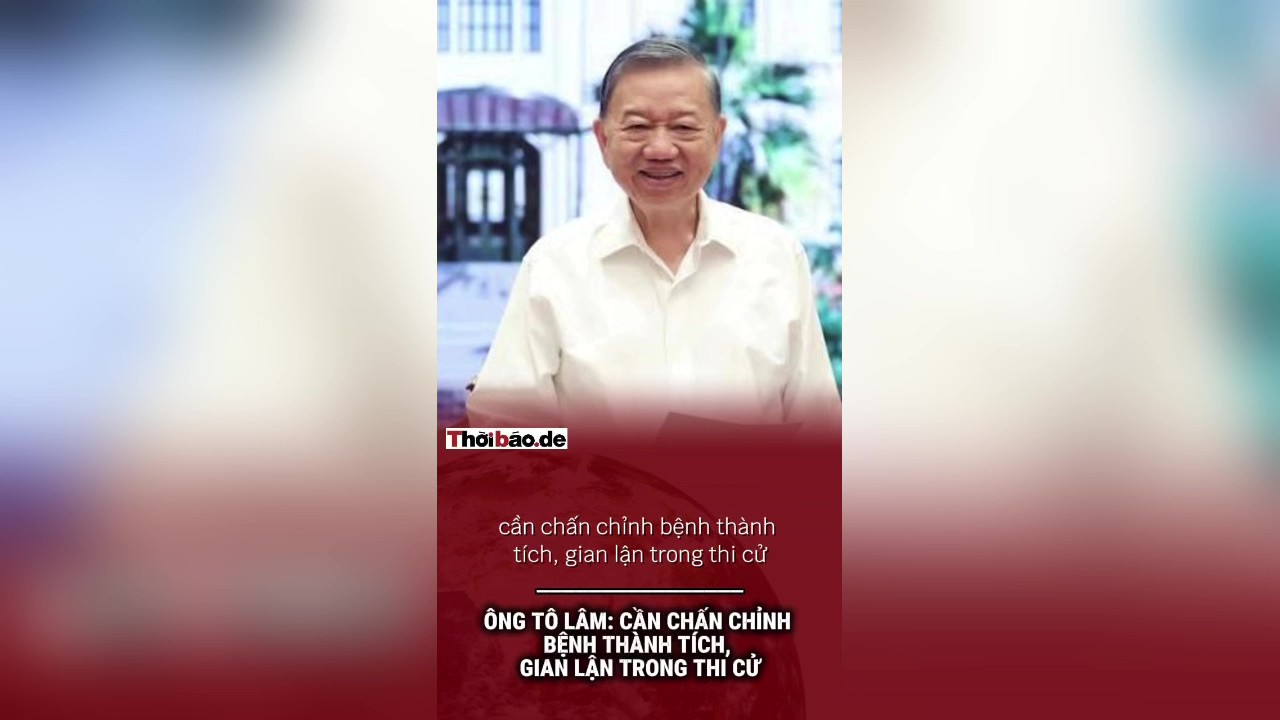
«El objetivo final de la educación no son las notas, los títulos ni las clasificaciones», declaró el secretario general y presidente del Estado, Tô Lâm, el 25 de agosto, al tiempo que exigió poner freno a la obsesión por los resultados y al fraude en el ámbito académico y en los exámenes. Una exigencia muy acertada, ya que una educación que solo se obsesiona con las cifras bonitas no es más que maquillar una enfermedad. Pero la pregunta más difícil es: ¿por qué la obsesión por los resultados ha perdurado tanto tiempo y aún hoy sigue siendo necesario «corregirla»?

El contexto resulta aún más llamativo tras el incidente ocurrido en el Instituto Especializado de Tuyên Quang durante el examen de bachillerato de 2026, en el que, según la información facilitada, más de 30 personas fueron imputadas. Todos los alumnos tuvieron que volver a presentarse al examen, y los resultados llamaron la atención de la opinión pública: de los 326 alumnos, ninguno obtuvo un 10 en Matemáticas, mientras que en el examen anterior se dice que hubo hasta 147 notas de 10. Esa diferencia hace que sea difícil no plantearse la siguiente pregunta: si los resultados se habían alabado tanto, ¿quién generó la presión de obtener tantas notas altas? Que los alumnos hagan trampa es una cosa; pero cuando todo un sistema compite por los resultados, la responsabilidad no puede recaer únicamente sobre los alumnos.

La educación necesita alumnos que sepan pensar, que sepan cuestionar y que sean sinceros, y no tablas de resultados relucientes para colgar en la pared. Si se quiere combatir la obsesión por los resultados, no se puede empezar solo en la sala de exámenes; hay que analizar el sistema de evaluación, la presión de los objetivos y la forma en que se premian los resultados. Un sistema educativo sano no es aquel en el que hay más notas de 10, sino aquel en el que no hace falta hacer trampa para demostrar que uno es bueno. Así pues, la pregunta final es: ¿quién calificará esta «corrección de la obsesión por los resultados» —y, esta vez, habrá alguien que se atreva a calificar con sinceridad?

https://www.facebook.com/share/p/18G6CMmTjm/

Facebook, TikTok, YouTube et les autres plateformes de réseaux sociaux sont en train de devenir les lieux où les citoyens recherchent, partagent et vérifient l’information. C’est pourquoi, chaque fois qu’une restriction, un blocage ou une demande de retrait de contenu est mis en place, la question se pose immédiatement : s’agit-il de protéger les citoyens contre des informations nocives, ou de protéger le pouvoir contre des informations défavorables ? Un gouvernement confiant en sa transparence ne devrait pas avoir à craindre outre mesure les questions difficiles. Car la vérité, si elle est vraiment la vérité, ne peut-elle pas résister à une vidéo de quelques minutes ou à une publication sur les réseaux sociaux ?

Ce qui est inquiétant, ce n’est pas seulement qu’un compte soit bloqué ou qu’un contenu disparaisse. Ce qui est plus inquiétant, c’est lorsque les citoyens commencent à se demander s’ils ont encore accès à une vision complète de ce qui se passe. À l’ère où chacun a un téléphone dans sa poche, l’information ne circule plus uniquement dans un sens, de la presse traditionnelle vers le public. Une vidéo, une photo, le témoignage d’un témoin peuvent se propager instantanément et obliger des questions autrefois ignorées à refaire surface. Plus on tente d’étouffer une question, plus on attire parfois l’attention sur celle-ci.

Et c’est peut-être là ce que le pouvoir a le plus de mal à contrôler : une société qui ne craint plus facilement le pouvoir. Les citoyens ont le droit de savoir, le droit de poser des questions et le droit d’exiger des comptes de la part des détenteurs du pouvoir, dans le cadre de la loi. Le contrôle de l’information peut faire disparaître un contenu de l’écran, mais il ne peut pas faire disparaître automatiquement le doute dans l’esprit du public. Si tout est transparent et légitime, pourquoi craindre la lumière ? La question la plus importante n’est donc pas « qui s’exprime sur Internet ? », mais : pourquoi certaines voix inquiètent-elles autant le pouvoir ?

https://www.facebook.com/share/p/1BtpmgHp2z/

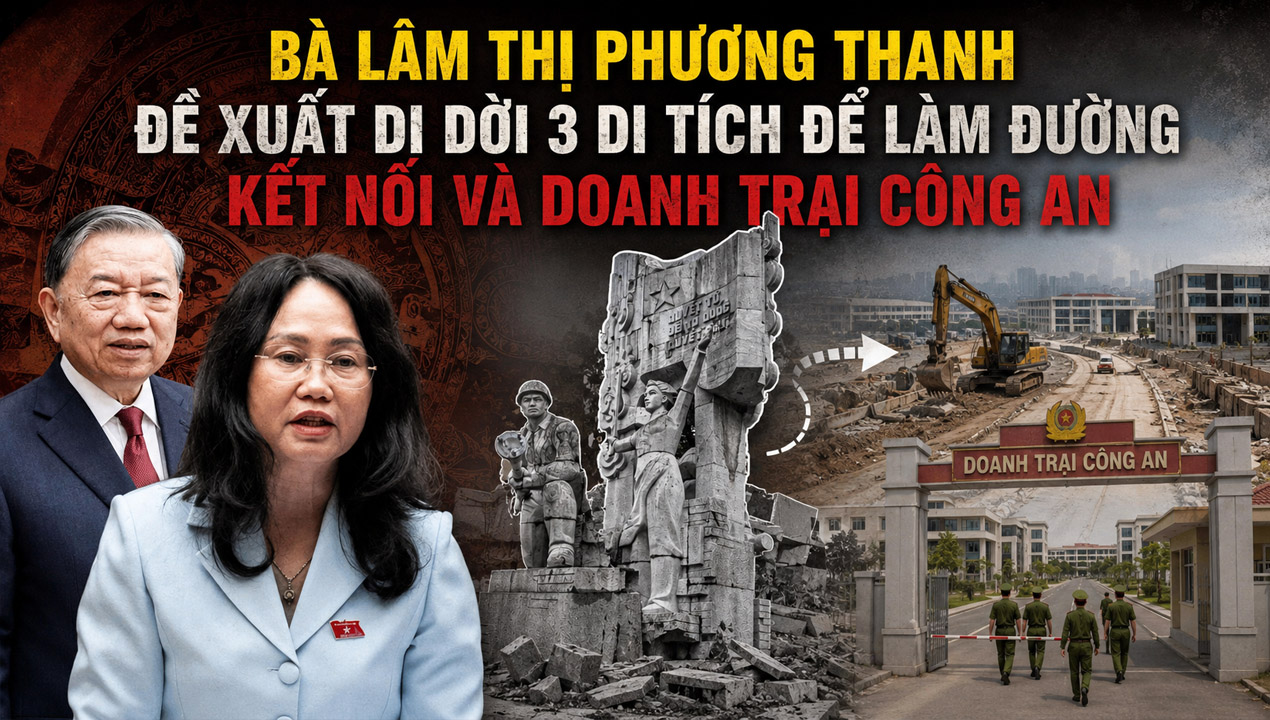
2026년 8월 22일, 람 티 푸엉 탄 문화체육관광부 장관은 지아빈 공항과 하노이를 연결하는 도로 및 인민공안 공군 중대 병영 건설 프로젝트를 위해 박닌에 위치한 일부 유적지를 이전하는 내용과 관련된 결의안 초안을 국회에 상정했다. 초안에 포함된 유적지는 동코이(Đông Côi) 사당 두 곳과 탐손(Tam Sơn) 사당 두 곳이며, 탄트란(Tân Trăn) 사당의 경우 신앙·종교법과 관련된 문제를 추가로 명확히 할 것을 요청받았다. 이에 따라 한 가지 의문이 계속 맴돈다: 도로와 기지 건설을 위해 토지가 필요하다면, 역사 유적은 어디까지 사라져야 만족할 수 있을까?

아이러니한 점은, 문화 보존이라는 중책을 맡은 기관이 오히려 문화의 흔적 자체를 이전해야 하는 상황에 직면해 있다는 것이다. 도로는 다른 노선을 개척할 수 있고, 건축물은 다른 부지를 선택할 수 있지만, 일단 유적이 철거되고 이전되면 그 역사적 가치와 문화적 공간, 그리고 공동체의 기억이 그대로 남아 있을 수 있을까? 만약 유산마저 프로젝트를 ‘피해야’ 한다면, 보존이라는 개념은 결국 어떻게 이해되어야 하는가? 북닌 주민들은 이미 지아빈 공항 관련 프로젝트로 인한 큰 혼란에 직면해 왔는데, 이제 유적지까지 자리를 내주어야 하니 상황은 더욱 가슴 아픈 문제가 되고 있다.

증거도 없이 개인적 관계에 대한 소문을 성급히 결론으로 삼아서는 안 된다. 진짜로 물어야 할 점은 바로 정책 자체에 있다: 왜 개발 방안은 항상 주민과 유적지가 자리를 내주도록 요구하는 것에서 시작해야 하는가? 목표가 인프라 현대화라면, 개발의 필요성은 충분히 이해할 수 있다. 하지만 개발이 반드시 기억이 피해를 입어야 한다는 것을 의미해서는 안 된다. 역사를 소중히 여기는 국가라면, 역사를 쉽게 ‘재구성’하지 않으면서도 도로를 건설할 방법을 찾아야 한다. 그리고 마지막 질문은 여전히 남아 있다: 유적 자체가 이전될 위기에 처해 있는데, 과연 누가 유적을 지키고 있는가?

https://www.facebook.com/share/p/1BxnZv5xHp/

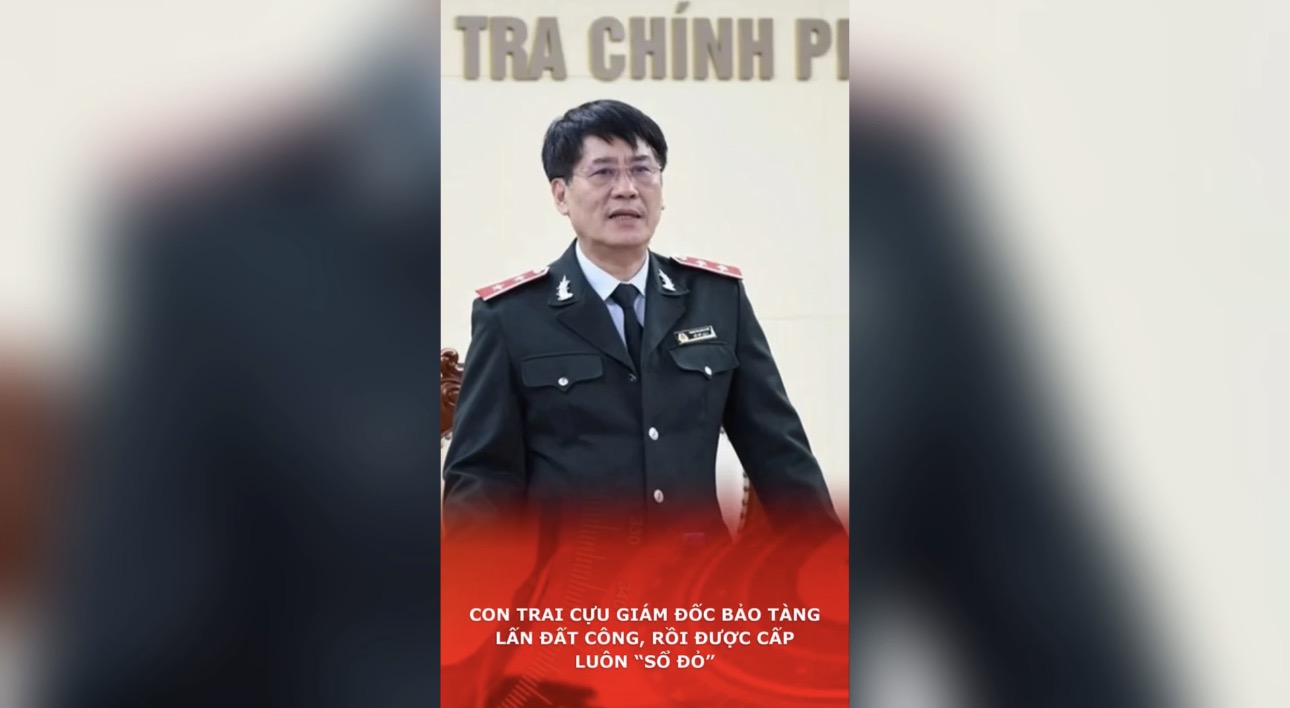
เรื่องราวที่ฟังดูเหมือนความขัดแย้ง แต่กลับปรากฏในรายงานการตรวจสอบ: ที่ดินประมาณ 80 m² ภายในพื้นที่พิพิธภัณฑ์ประวัติศาสตร์แห่งชาติในใจกลางกรุงฮานอย ถูกกล่าวหาว่าถูกรุกล้ำและใช้เพื่อก่อสร้างบ้านอยู่ หลังจากนั้น ผู้รุกล้ำกลับได้รับใบรับรองสิทธิการใช้ที่ดิน
หากข้อมูลที่สำนักงานตรวจราชการรัฐบาลเผยแพร่เป็นความจริง เรื่องนี้ไม่ใช่เพียงกรณี ‘ใครบุกรุกที่ดินสาธารณะ’ อีกต่อไป แต่ยังก่อให้เกิดคำถามที่กว้างขึ้นว่า: ทำไมที่ดินสาธารณะจึงสามารถผ่านกระบวนการซื้อขายหลายขั้นตอน จนกลายเป็นที่ดินที่มี ‘หนังสือแดง’?

Screenshot

บุคคลที่ถูกกล่าวถึงคือนายดัง ควอก ทัง ลูกชายของนายดัง ซวน ทิเอู ผู้อำนวยการคนแรกของพิพิธภัณฑ์การปฏิวัติเวียดนาม ซึ่งเป็นองค์กรต้นแบบของพิพิธภัณฑ์ประวัติศาสตร์แห่งชาติ รายละเอียดนี้ทำให้ประชาชนยิ่งยากที่จะหลีกเลี่ยงคำถามที่ละเอียดอ่อน: หากประชาชนทั่วไปรุกล้ำที่ดินสาธารณะเพียงไม่กี่เมตร เส้นทางจาก ‘การรุกล้ำ’ ไปสู่ ‘การได้รับหนังสือรับรองสิทธิ’ จะตรงไปตรงมาเช่นนั้นจริงหรือไม่? หรือว่าที่ดินสาธารณะบางครั้งอาจเผชิญกับ ‘เวทมนตร์ทางการบริหาร’ แบบพิเศษ — วันนี้ยังเป็นที่ดินของพิพิธภัณฑ์ แต่วันพรุ่งนี้ก็ได้รับหนังสือรับรองสิทธิแล้ว?
สิ่งที่จำเป็นต้องชี้แจงไม่ใช่ภูมิหลังของบุคคลใดบุคคลหนึ่ง แต่เป็นกระบวนการบริหารจัดการที่ดินสาธารณะที่ดำเนินการมาอย่างไร ใครเป็นผู้ตรวจพบการรุกล้ำ? ใครเป็นผู้อนุมัติการก่อสร้าง? ใครเป็นผู้ตรวจสอบที่มาของที่ดิน?
ใครเป็นผู้ลงนามรับรองใบโฉนดที่ดิน? และหากการออกใบโฉนดนั้นผิดพลาด ใครคือผู้รับผิดชอบ? หากแม้แต่ที่ดินที่เป็นของสถาบันวัฒนธรรมแห่งชาติยังสามารถเปลี่ยนแปลงสถานะทางกฎหมายได้เช่นนี้ ประชาชนย่อมมีสิทธิ์ตั้งคำถามว่า: “ที่ดินสาธารณะ” บางครั้งอาจเป็น “สาธารณะ” ก็ต่อเมื่อมันตกอยู่ในมือของบุคคลที่เหมาะสมเท่านั้นหรือไม่?
https://www.facebook.com/share/v/1PRjt8KAar/


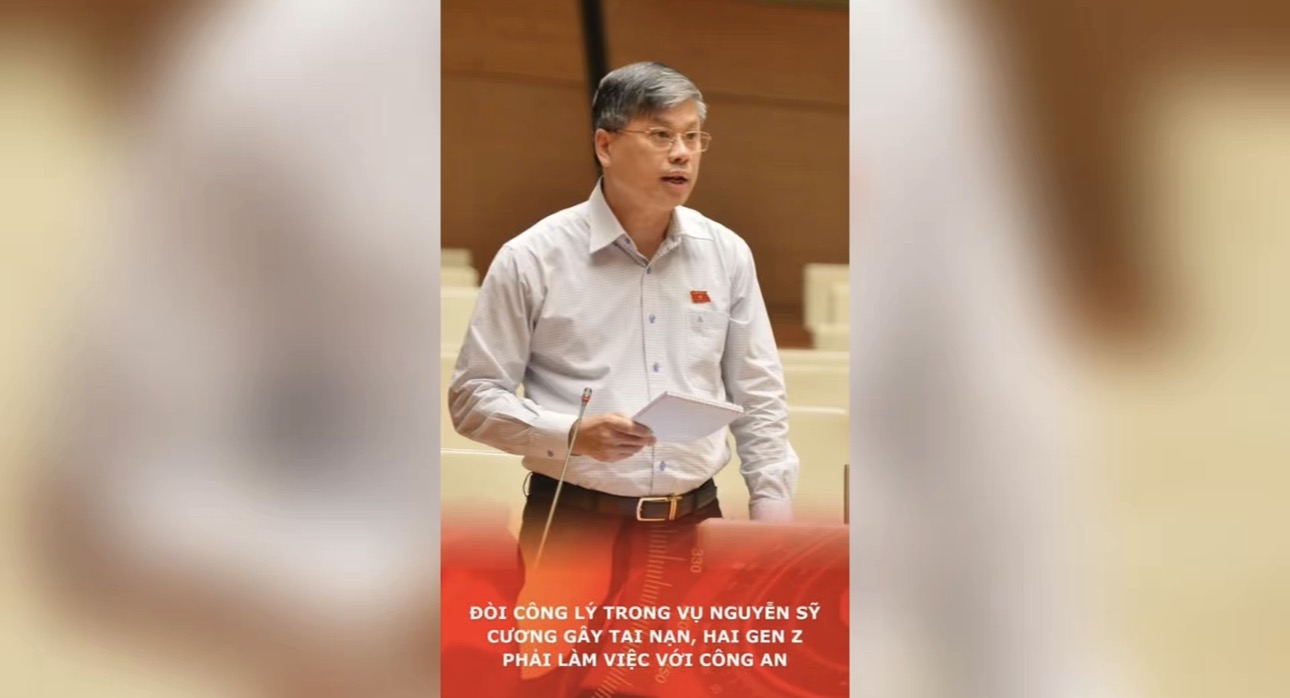
1人が死亡した事故から1年以上が経過したが、「55の木の根元」をめぐる騒動は依然として収束していない。Threads上で拡散されている情報によると、Z世代の生徒、学生、卒業生の一部が、この事件について疑問を投げかける投稿をしたことを理由に、警察から事情聴取を受けたと明かしている。聴取は数時間に及び、スマートフォンのロックを解除するよう求められたり、投稿を削除したり、アカウントのフォローを解除したり、あるいは今後投稿しないという誓約書を書くよう要求されたりした人もいるという。もしこれらの証言が事実であれば、極めて単純な疑問が浮かび上がる:そうした要求の法的根拠はどこにあるのか?

Screenshot

注目すべきは、アルコール検査票のスペルミスについて数行の疑問を投稿しただけで、スクリーンショットの資料を提示され、尋問を受けたという人もいる点だ。さらに、追悼のために白い花を木の下に供えたことさえ、その動機や「反動勢力」との関連について疑いをかけられたという。追悼の花束や、疑問を投げかける数件の投稿――それらが、なぜこれほどまでに徹底的に調査されるべきものになってしまったのだろうか? 市民が死亡事故について疑問を呈する権利さえ認められないのであれば、一体どのような方法で関心を示せばよいというのか?

もちろん、あらゆる告発は検証される必要があり、当局には違法行為の兆候がある行為を明らかにする権限がある。しかし、権力が大きければ大きいほど、法的根拠と透明性に対する要求も高くなければならない。世論が注目しているのは、Z世代が「免除」されるかどうかではなく、同じ法的基準がすべての人に公平に適用されているかどうかである。もし、花を供えて疑問を投げかけた市民が説明を求められなければならないのなら、一般市民にはさらにこう問いただす権利があるはずだ。彼らがその疑問を抱くに至った事件そのものに対する法的責任は、現在どの程度まで処理されているのか?

https://www.facebook.com/share/p/198LGGD1YX/

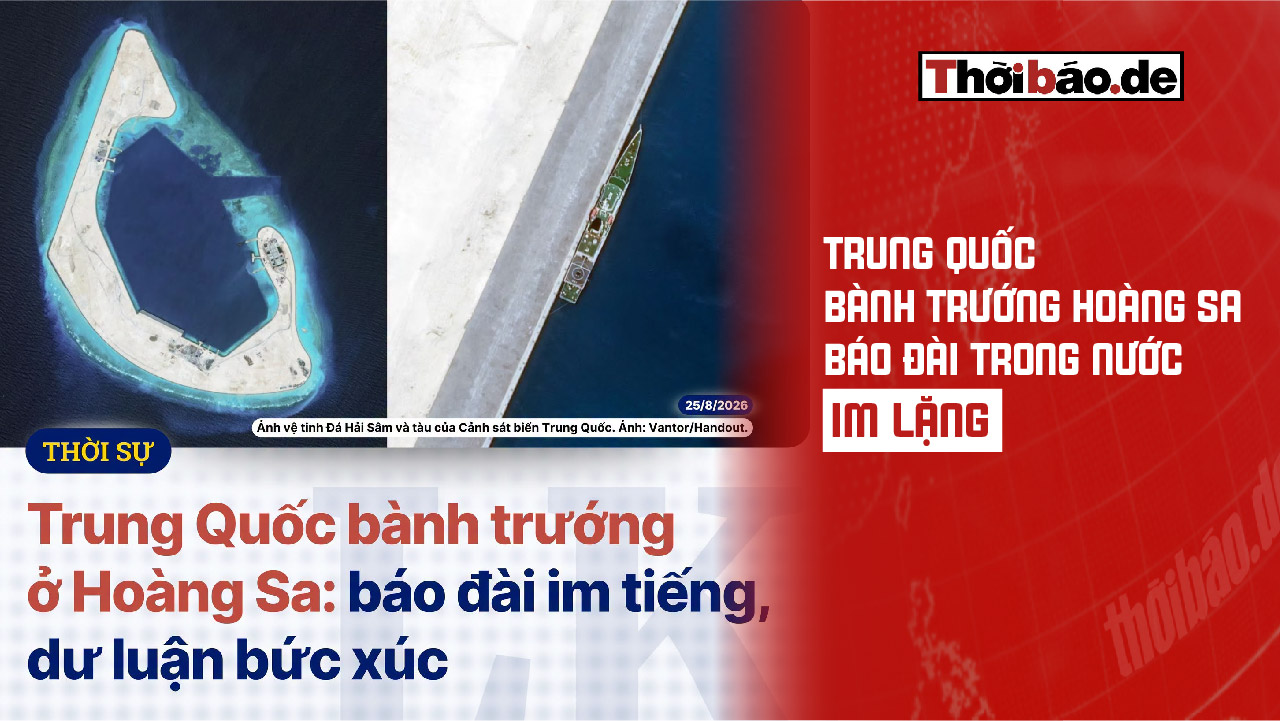
據路透社報導,8月19日,中國已完成位於黃沙群島海參礁(Antelope Reef)的填海造陸第一階段工程。該區域正從一處珊瑚礁,逐漸轉變為一座長近6公里的人工島。Vantor的衛星影像顯示,該處有一段長逾3公里的筆直岸線,可能被用作跑道,以及一條通往深水港區、長約680公尺的碼頭。一艘中國海警船也現身於此。倘若這僅是「普通建設工程」,那麼其規模確實令人不禁質疑:究竟「普通」到什麼程度?

值得注意的不僅是那些正向南中國海擴張的人工填海土地,更在於對方的資訊真空。儘管衛星影像不斷揭露工程進度,公眾卻只能仰賴國際媒體,才能得知在越南聲稱擁有主權的這片海域究竟發生了什麼事。路透社如此報導,衛星影像如此顯示,分析專家亦如此指出——然而,關於海參礁活動,越南當局至今仍未發表任何最新回應。這份沉默更讓人難以迴避這個問題:當一個長達數公里的的人工結構正在形成之際,究竟誰會率先發聲?

南海向來不缺主權聲明。真正缺乏的,是透明度以及對現場變化的足夠迅速反應。一片珊瑚礁可能被改造成基地,一座碼頭可能成為戰略基礎設施,但沉默絕不可能變成「現狀」。如果關於海參礁的消息仍主要來自路透社和衛星照片,值得探討的議題不僅是中國正在建造什麼,更是:為何越南輿論必須透過外國媒體才得知本國的事務?

https://www.facebook.com/share/p/1HyDrc59Gx/

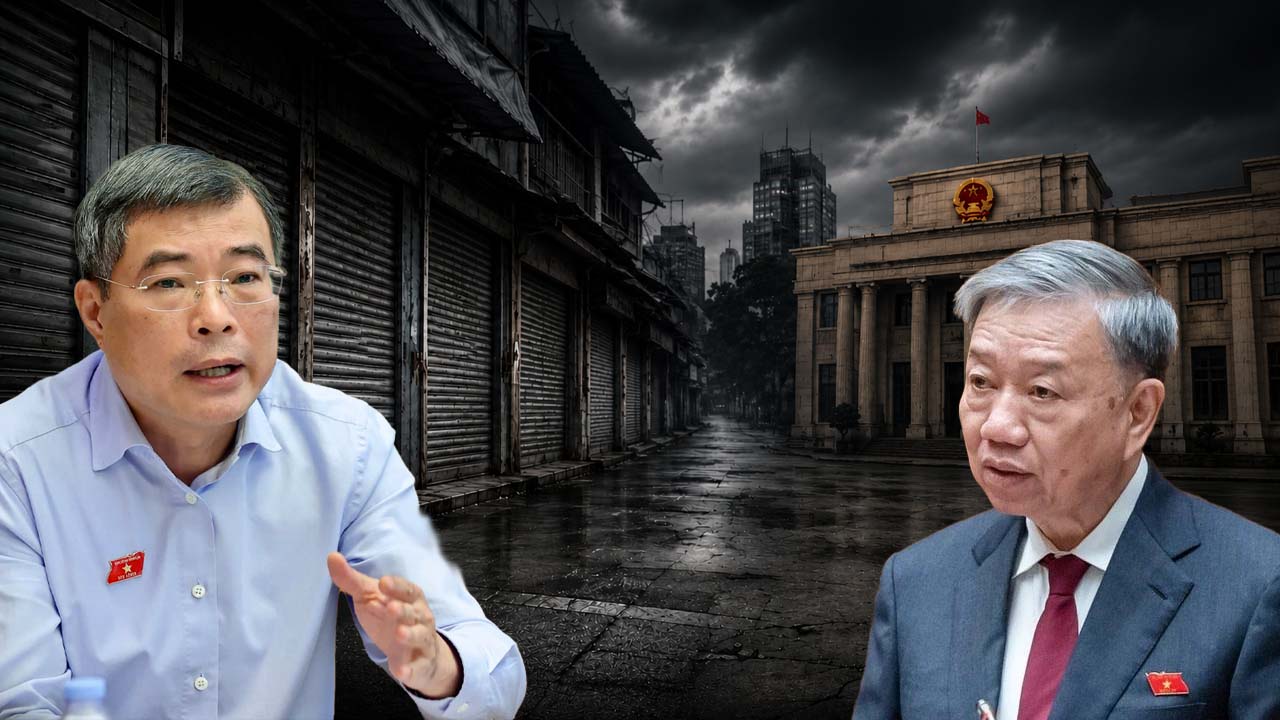
Vor kurzem hat Premierminister Lê Minh Hưng die Regierung aufgefordert, dem Nationalrat einen Vorschlag zur Senkung der Einkommensteuer um 30 % in den Jahren 2026–2027 für Gewerbebetriebe und Unternehmen mit einem Jahresumsatz von weniger als 10 Milliarden Dong vorzulegen.

Dies ist ein zeitgemäßer und sehr zu begrüßender Schritt. Hinter dieser Entscheidung verbirgt sich jedoch eine bittere Realität, auf die der vietnamesische Industrie- und Handelsverband (VCCI) hingewiesen hat.

Nämlich, dass Unternehmer und Unternehmen derzeit mit Schwierigkeiten zu kämpfen haben, die denen auf dem Höhepunkt der Covid-19-Pandemie in nichts nachstehen.

Eine Umfrage der VCCI zeigt das düstere wirtschaftliche Bild des Privatsektors: Im Jahr 2025 verzeichnen bis zu 81 % der Gewerbebetriebe Umsatzrückgänge, und fast 74 % erzielen nur geringe Gewinne.


Auch die Lage der Unternehmen ist nicht besser: Mehr als 60 % haben Schwierigkeiten, Kunden zu finden – ein sprunghafter Anstieg gegenüber den 45 % des Vorjahres und eine Rückkehr zu den Panikwerten der Covid-Pandemie im Jahr 2019.


Der schrumpfende Markt und die erschöpfte Kaufkraft führen dazu, dass die Unternehmen es nicht mehr wagen, an eine Expansion oder neue Investitionen zu denken.

Innerhalb der Wirtschaft spielt sich derzeit eine große Paradoxie ab: Die Gesundheit der Bevölkerung verschlechtert sich, während die Staatseinnahmen explosionsartig steigen. Im Jahr 2025 erreichen die Gesamteinnahmen des Staatshaushalts etwa 2,65 Millionen Billionen Dong und liegen damit um 35 % über dem veranschlagten Betrag.


Stellt man diese beiden Bilder nebeneinander, stellt sich die Frage: Warum sind die Haushaltseinnahmen so extrem hoch, während private Unternehmen und Steuerzahler immer mehr ausbluten?

Ein Unternehmen muss aufgrund von Nachforderungsmaßnahmen und verschärften Kontrollen weiterhin mehr Steuern zahlen, was dazu führt, dass seine Gewinnspanne von Tag zu Tag schrumpft.


Nach Ansicht von Wirtschaftsexperten ist es eine nicht nachhaltige Politik, wenn der Staat die Steuern bis zum Äußersten eintreibt, während die Bevölkerung bereits bis an die Grenzen ihrer Belastbarkeit ausgelaugt ist.

Denn Steuereinnahmen sind nur dann gesichert, wenn die Wirtschaft wirklich atmen kann und die Steuerzahler überleben, um ihre Geschäftstätigkeit fortzusetzen.

Hong Linh – Thoibao.de

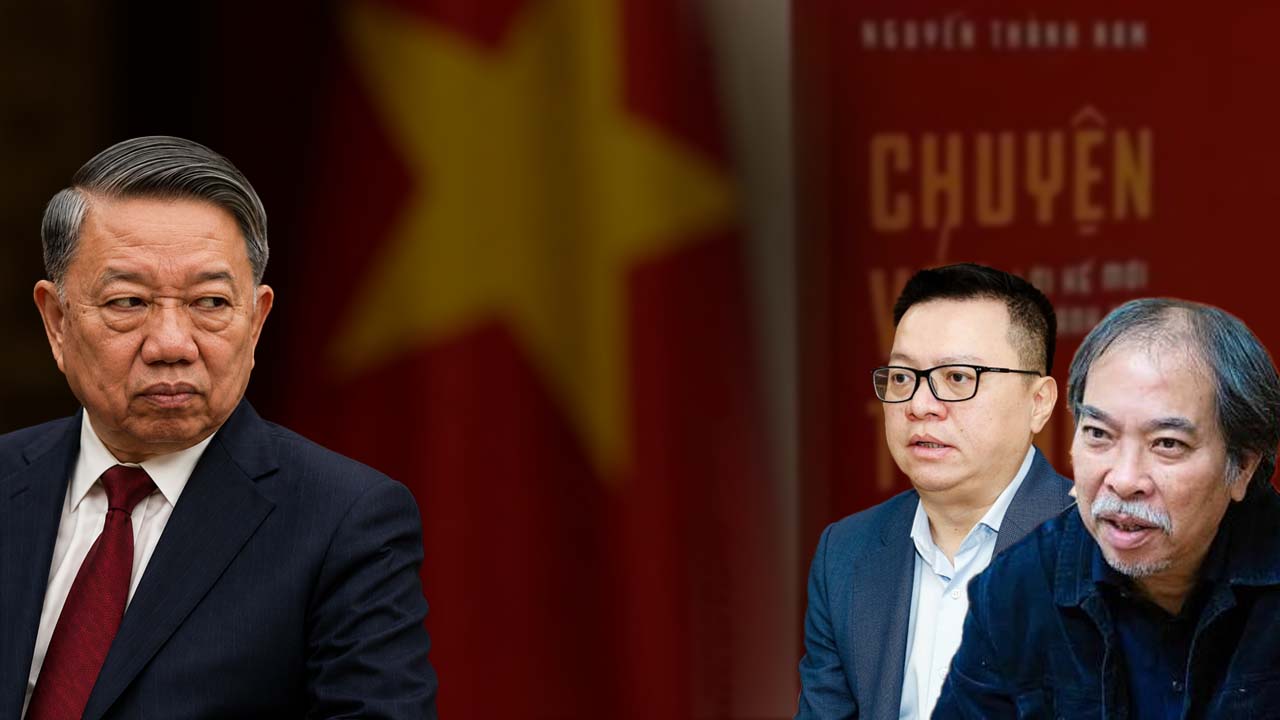
On the afternoon of August 24, 2026, the 10th Executive Committee of the Vietnam Writers’ Association officially announced the dismissal of Mr. Nguyen Quang Thieu from his position as Chairman of the Association and appointed Army Colonel and writer Nguyen Binh Phuong to temporarily take charge.

This decision came shortly after the book *Chuyện với Thanh* was censored, and Mr. Thiều was disciplined with “removal from all Party positions” due to his involvement in management irregularities at the Writers’ Association Publishing House.


However, according to well-informed sources, the decision to replace Mr. Thieu with a writer who is also an Army Colonel is not merely a routine internal disciplinary procedure.


Notably, in recent days, the story of the Hanoi government’s plan to relocate the “Die So the Motherland May Live” monument from the Hoan Kiem Lake area has suddenly erupted into a fiercely debated hot topic in public opinion.


According to observers, these events reflect a thorny reality at the highest levels of Ba Dinh’s political leadership, as General Secretary and President To Lam continues to face undercurrents of unrest from conservative factions.

At the same time, the current political overhaul is not only targeting key institutions but is also spreading to the realms of ideology, culture, and the media.


The fact that Mr. Nguyen Quang Thieu was forced to step down as Chairman of the Writers’ Association, while the political future of Le Quoc Minh, Editor-in-Chief of Nhan Dan, remains unclear, also indicates that the purge of the apparatus shows no signs of stopping.


This ambiguity and prolonged uncertainty are creating a sense of unease within the system itself, where the line between addressing misconduct and purging factional rivals has become extremely tenuous and unpredictable.

Furthermore, the story of the “Die So That the Motherland May Live” monument—which Hanoi leaders plan to immediately remove from the Hoan Kiem Lake area—has quickly erupted into a fiercely debated public issue.


This is believed to be a reaction and a source of suspicion from the group of online “public opinion agents” posing as veterans, led by “Red Guards” such as Mr. Phan Trung Can.


According to Facebook user Nguyen Ha—an associate professor and doctor of philosophy, as well as a member of the Hanoi Writers’ Association—who wrote on his personal Facebook page, this issue is considered “extremely distressing” and unsettling.

Consequently, a “conspiracy theory” aimed at erasing traditional revolutionary symbols, originating from personal posts by veterans, quickly gained widespread support from the public.

When a simple urban beautification decision was “escalated” and perceived as a move to deny history in the service of reformist or liberal agendas, it revealed that the AK-47 forces’ trust in Mr. To Lam has reached an extremely sensitive level.According to experts, for a political system to operate smoothly and harmoniously, it cannot rely solely on the police or the military; it must also effectively control the ideological front to maintain social consensus. The rifts stemming from the book “Chuyện Với Thanh,” now compounded by sensitive controversies surrounding the “Quyết tử” monument—a historical symbol located in the heart of the capital—reflect that the crisis of trust has not been thoroughly resolved. The fact that Hanoi’s leadership has resorted to decisions driven by “special interests” to replace personnel or relocate a monument does nothing to restore the social consensus that has already been severely damaged by a long series of upheavals at the highest levels.For General Secretary To Lam, as long as political decisions remain shrouded in a lack of openness and transparency, and as long as special interests continue to prevail,

the wave of opposition from the military faction’s “public opinion cadres” will continue to pose a thorny problem that hinders genuine stability within the Party and fails to address the root causes of the unrest.

Trà My – Thoibao.de