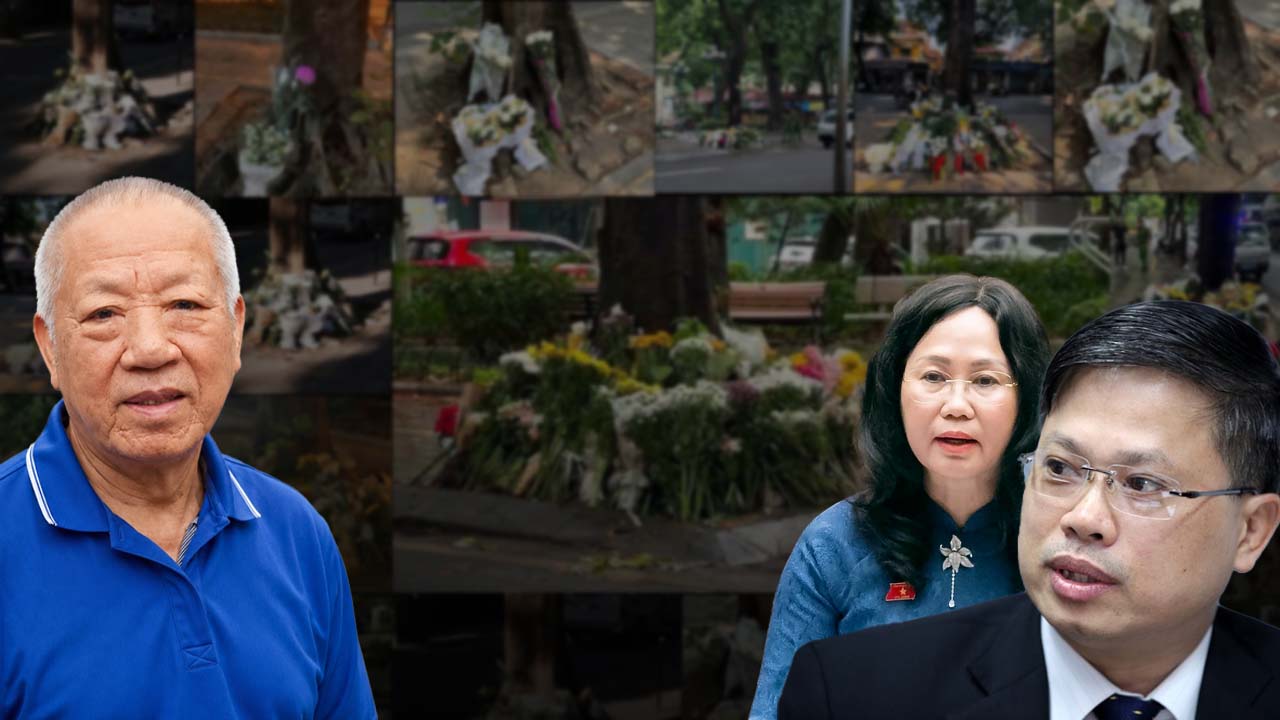
Over one million posts, tens of millions of views, and unabating buzz on the Threads platform among young people in Vietnam over the past few days have created a rare social phenomenon.
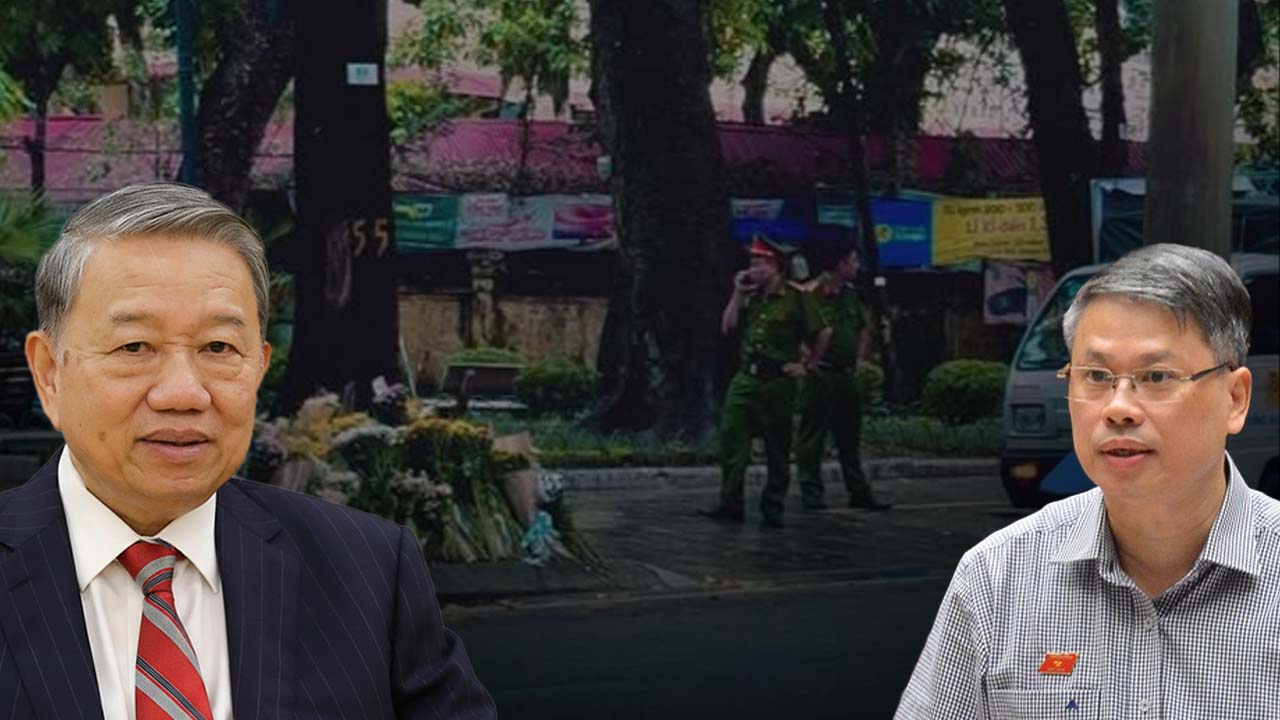
According to international observers, this has prompted public opinion to seriously reevaluate core issues in the model of state governance.


The horrific traffic accident that occurred at noon on May 30, 2025, on Nguyen Huy Tu Street in Hai Ba Trung District, Hanoi—where a BMW X3 driven by Mr. Nguyen Si Cuong, a former National Assembly delegate, crashed head-on into the motorcycle ridden by Mr. Do Viet Hung and his daughter—has become the focal point of public outrage.


The victim was Do Ngoc Phuong Thuy, a female student born in 2007, who passed away after a week of suffering in the hospital, just as she was about to take her high school graduation exam.


This traffic accident, coupled with allegations that Mr. Cuong—the driver—showed signs of intoxication, has become the spark for a deep crisis of confidence, as the Police Investigation Agency has remained silent for over 14 months.

This incident is not only a source of pain for the victim’s family but has also become a deep cut to the trust of the Gen Z generation—especially as a series of articles discussing the incident were suddenly removed overnight.

This “conflict” of information has strongly triggered the Streisand effect, making the public’s demand for the truth more intense and harder to contain than ever before.


Most notable is the distinct reaction of Generation Z—a group often perceived as apathetic toward politics—who are now developing a collective mindset regarding justice that is both tenacious and well-organized, something previous generations could not have achieved.


Not only are they engaging in lively discussions on social media, but they’ve also quietly gathered to lay flowers at the base of the tree at kilometer 55—the site of the accident—and are continuously questioning the progress of the authorities’ investigation and the public’s right to know.


Notably, the younger Gen Z generation fears that if this case is not brought to light, the government’s silence will set a precedent for future incidents, and justice will be undermined by those with power or wealth who can flout the law.

Meanwhile, the advanced governance model that General Secretary and President To Lam is striving for is one of transparency and accountability—two critically important and inseparable principles.


However, the case on Nguyen Huy Tu Street paints a completely opposite picture, where an inexplicable and prolonged silence is seen as a stalling tactic to let the matter fade away—yet it serves as a test of the state apparatus’s credibility.


These issues have raised a question: if these seeds of resistance are not addressed with fairness and transparency, could they lead to unpredictable scenarios of instability?


Therefore, the government’s indifference, apathy, or efforts to cover things up only inadvertently deepen the crisis of trust, creating wide chasms between the government and the next generation.

If the government continues to choose a “frightening” silence in the face of legitimate questioning, the Vietnamese government will unwittingly place itself in a confrontational stance against a Generation Z that is both bold and highly unpredictable.

When justice cannot be delayed—it is an imperative duty to combat injustice. Skepticism regarding the integrity of the law, when pushed to its peak, will become a seed of social instability that cannot be ignored.

Don’t forget: the entire Gen Z generation in Vietnam is demanding the rule of law and affirming their faith in fairness for society as a whole.

Trà My – Thoibao.de
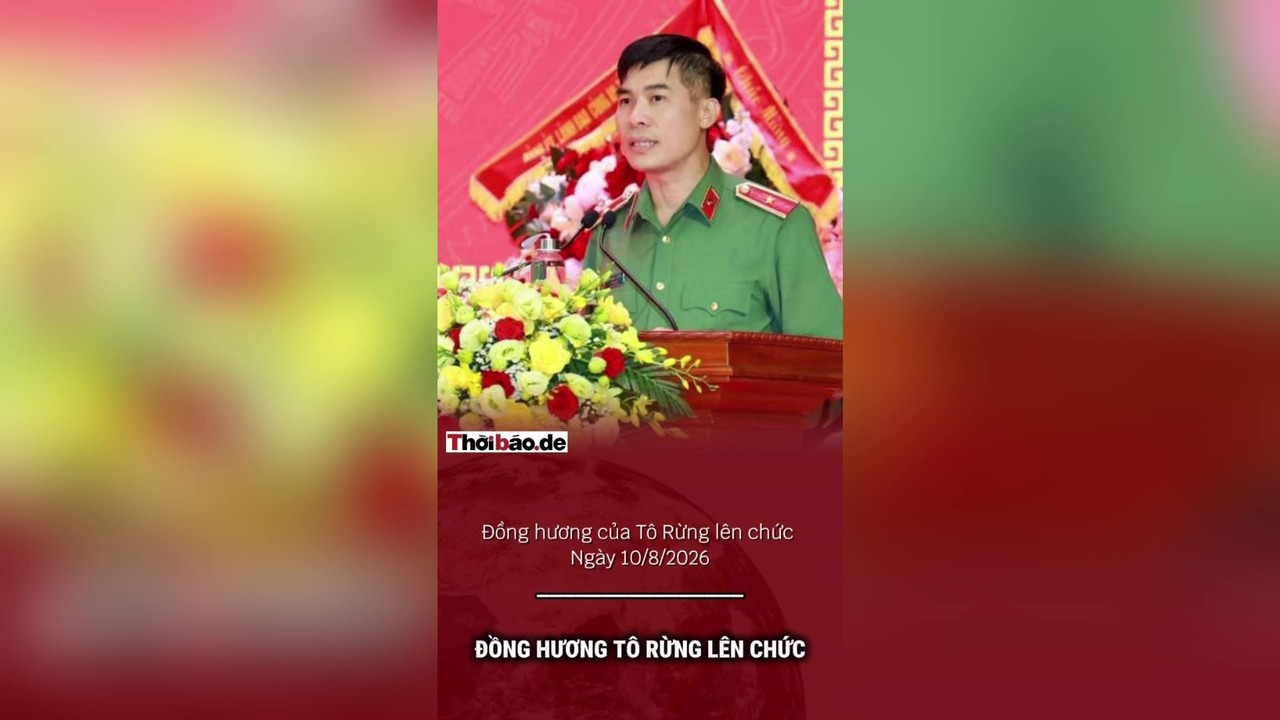
 

El 10 de agosto de 2026, el Ministerio del Interior organizó una ceremonia para dar a conocer la decisión de reasignación de personal; según la información publicada por el periódico Lào Cai, el general de división Cao Minh Huyền, director de la Policía Provincial de Lào Cai, fue destinado al cargo de director de la Dirección General de Control de Entradas y Salidas a partir del 12 de agosto. Una decisión de personal, por sí misma, no tiene nada de inusual. Pero cuando la opinión pública debate continuamente sobre el fenómeno de que personas de la misma localidad, de la misma región o con relaciones personales sean nombradas para ocupar puestos importantes, surge inmediatamente la pregunta: ¿se trata de una elección basada en la competencia, o las redes de contactos se están convirtiendo cada vez más en una ventaja?

Ser de la misma localidad no es un delito, ni tampoco una prueba de que se trate de «grupos de interés». Una persona procedente de Hưng Yên puede perfectamente ser competente y merecedora del cargo que se le asigne. El problema radica en otra parte: si en una serie de puestos importantes aparecen continuamente nombres de personas de la misma localidad, el público tiene derecho a exigir que se expliquen de forma transparente los criterios de nombramiento. Porque, en una estructura de poder, «de dónde se es» no puede convertirse en un criterio que sustituya a «qué se sabe hacer».

Haciendo un poco de ironía: si el lugar de origen se convirtiera de repente en un «expediente de competencias» invisible, entonces las personas competentes de otros lugares quizá deberían empezar a preocuparse. Y si todo fuera solo una coincidencia, la mejor manera de disipar las sospechas no es pedir a la opinión pública que guarde silencio, sino hacer públicos los criterios, los procedimientos y los logros de cada caso. Cuanto mayor es el poder, más claros deben ser los criterios. No se puede concluir que haya habido un «acaparamiento» basándose solo en unos pocos casos, pero tampoco se puede obligar a la sociedad a hacer la vista gorda ante un modelo de selección de personal que le hace plantearse preguntas. Entonces, ¿se ha concedido el puesto por una capacidad destacada o por una red de relaciones que el público aún no ha visto?

https://www.facebook.com/share/p/1HUSQ1Y4C6/

Según la información recogida por la revista Luật Khoa, en la madrugada del 13 de agosto, varias cuentas de Threads señalaron que sus publicaciones no se mostraban en Vietnam, junto con un aviso en el que se indicaba que el Ministerio de Cultura, Deporte y Turismo de Vietnam había solicitado restringir el acceso al contenido de conformidad con la «legislación local». Si esta notificación es cierta, la situación plantea de inmediato una pregunta incómoda: ¿qué contenido se ha restringido, cuál es el fundamento jurídico concreto y por qué no se informa claramente al público? Se trata de un breve mensaje, pero detrás de él se esconde toda una cuestión sobre el derecho de acceso a la información.

Especialmente cuando se da a entender que los artículos restringidos están relacionados con el señor Nguyễn Sỹ Cương, el asunto se convierte fácilmente en un foco de debate. Una red social puede restringir contenidos de acuerdo con la legislación del país en el que residen los usuarios; eso es una cuestión jurídica. Pero lo jurídico no significa que todas las decisiones restrictivas estén exentas de las preguntas de la sociedad. Si el contenido incumple la ley, hay que especificar en qué consiste la infracción; de lo contrario, ¿por qué es necesario ocultar el contenido? Cuanta menos información haya, más terreno ganan los rumores.

Irónicamente, en una época en la que cualquiera puede publicar una entrada en cuestión de segundos, lo que más despierta la curiosidad del público es, a veces, precisamente la entrada… que no se puede ver. Y cuanto más aparecen avisos del tipo «restringido según la legislación local», más quiere la gente saber qué ley, qué decisión y de quién es la responsabilidad. No se puede convertir la cuestión de la transparencia en la pregunta de «si se debe preguntar o no». Si las autoridades tienen una razón legítima para restringir un contenido, esa razón debe hacerse pública y estar sujeta a verificación. Así pues, en definitiva: ¿está Threads cumpliendo la ley, o se está utilizando el silencio como sustituto de una explicación?

https://www.facebook.com/share/v/19BGhTJMZW/

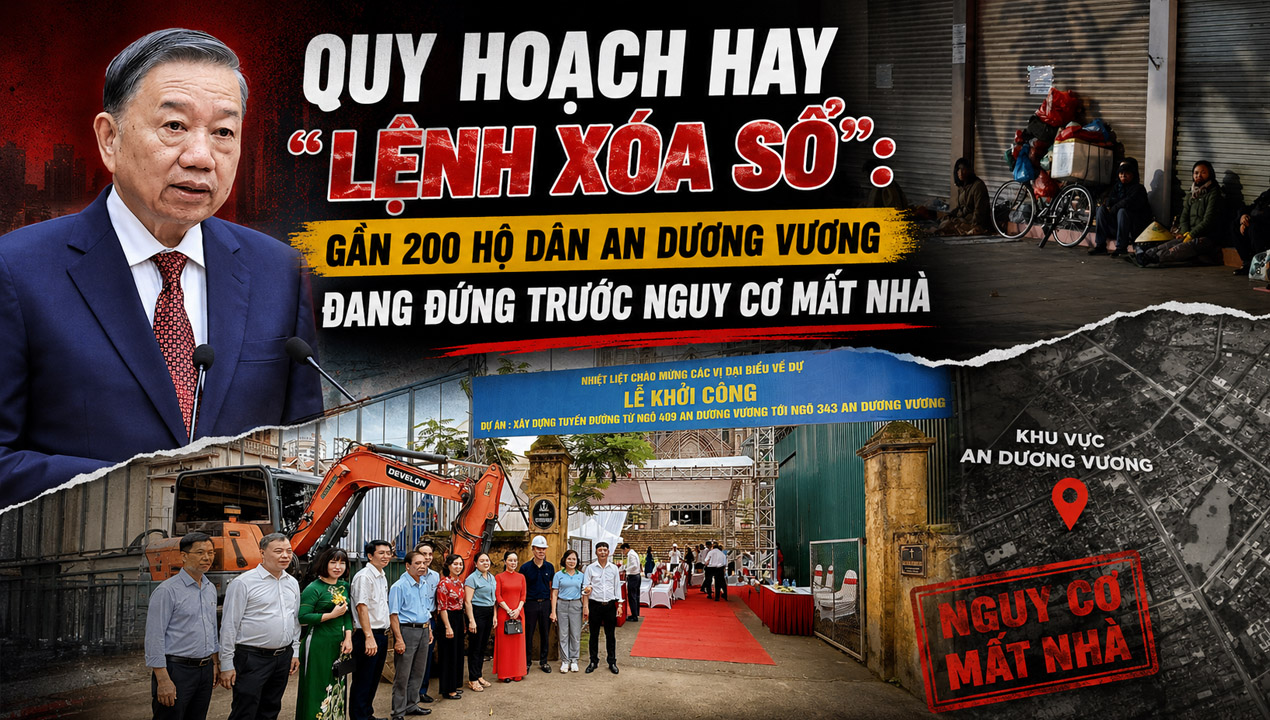
하노이 안양왕가 343번지 골목에 거주하는 약 200가구가 긴급 공사 절차에 따라 추진되는 한 건설 프로젝트의 영향을 받을 위험에 처해 우려하고 있는 것으로 알려졌다. 이 정보가 사실이라면, 이 사안은 더 이상 도시계획도상의 몇 줄의 선으로만 볼 수 없는 문제가 된다. 숫자 뒤에는 주택과 생계, 그리고 주민들이 수년간 살아온 삶이 담겨 있다. 행정 문서는 종이 위에서는 매우 간결해 보일 수 있지만, 한 가족에게는 다음과 같은 가장 큰 질문과 동일시될 수 있다: “우리는 어디로 가야 하나?”

여론이 의문을 제기하는 점은 공공의 이익을 위한 인프라 개발과 특정 프로젝트를 수행하기 위해 특별 절차를 사용하는 것, 이 두 개념 간의 차이이다. 만약 초기 계획에 이 주거 지역이 포함되지 않았으나 이후 영향 범위가 변경되었다면, 주민들은 법적 근거가 무엇인지, 누가 결정했는지, ‘긴급’ 기준이 어떻게 정해졌는지, 그리고 그들의 권익이 어떻게 보장되는지 알 권리가 있습니다. 계획이란, 결국 지도 위에 선을 긋는 펜 한 자루에 그칠 수 없습니다. 그것은 사람의 재산권과 삶에 직접적으로 영향을 미치기 때문입니다.

아이러니한 점은, 지도 위에서는 몇 줄의 잉크로 몇 분 만에 한 줄의 주택을 지워버릴 수 있지만, 현실에서는 그 잉크 한 줄 뒤에는 한 사람의 일생이 담겨 있다는 것이다. 만약 프로젝트가 정말로 필요하다면, 주민들이 확인할 수 있도록 서류, 이유, 보상 방안, 재정착 방안 및 감독 체계를 공개해야 한다. 반면 ‘긴급’이 정당한 의문을 무시하는 만능 열쇠가 된다면, 가장 시급한 것은 투명성이다. 따라서 답해야 할 질문은 “얼마나 빨리 진행할 수 있는가?”가 아니라, 이 계획이 공공의 이익을 위한 것인지, 아니면 주민들이 참여조차 하지 못한 결정의 대가를 치르고 있는 것인지이다.

https://www.facebook.com/share/p/1cLbN9n7c7/

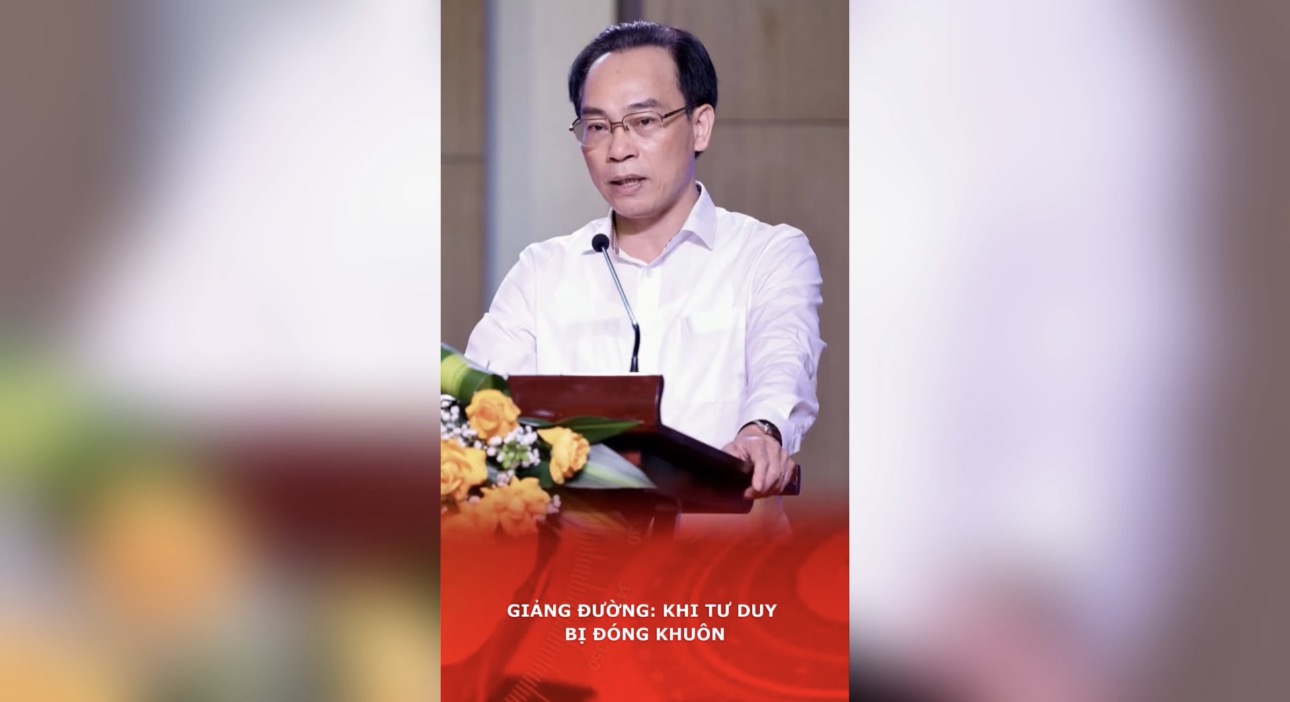
การศึกษา โดยธรรมชาติของมัน ควรเป็นสถานที่ที่ผู้คนได้เรียนรู้ที่จะตั้งคำถาม ตรวจสอบข้อมูล และสร้างความคิดเห็นของตนเองผ่านการใช้เหตุผล
อย่างไรก็ตาม หากโรงเรียนถูกเปลี่ยนเป็นสถานที่ที่มุ่งเน้นการถ่ายทอดอุดมการณ์ที่กำหนดไว้ล่วงหน้าเป็นหลัก ห้องบรรยายก็อาจเปลี่ยนจากพื้นที่แห่งการเปิดโลกทัศน์ทางปัญญาไปสู่การปลูกฝังอุดมการณ์ได้อย่างง่ายดาย เมื่อครูถูกบังคับให้เพิ่มการสอนด้านการเมืองและอุดมการณ์ คำถามที่เกิดขึ้นไม่ใช่ว่าควรสอนความรับผิดชอบทางศีลธรรมหรือสังคมหรือไม่ แต่เป็นว่า: ยังเหลือพื้นที่เท่าใดให้ผู้เรียนได้ใช้ความคิดวิพากษ์วิจารณ์?

Screenshot

ความขัดแย้งอยู่ที่ความจริงว่า การศึกษาสมัยใหม่เน้นย้ำอย่างต่อเนื่องถึงการคิดอย่างอิสระ ความสร้างสรรค์ และทักษะการแก้ปัญหา แต่การคิดอย่างอิสระไม่สามารถพัฒนาได้ด้วยการบังคับให้นักเรียนจำคำตอบที่ถูกต้องเพียงคำตอบเดียว นักเรียนที่รู้วิธี ‘พูดสิ่งที่ถูกต้อง’ แต่ไม่กล้าถาม ‘ทำไม’ อาจมีพฤติกรรมที่ดีมาก แต่พวกเขาจะรู้วิธีคิดอย่างแท้จริงหรือไม่? หากอาจารย์ถูกลดบทบาทลงเป็นผู้ถ่ายทอดแบบแผนอุดมการณ์ที่ตายตัวเพียงอย่างเดียว ในขณะที่นักเรียนกลายเป็นผู้รับข้อมูลเพียงอย่างเดียว ห้องเรียนก็ไม่ต่างอะไรจากสายการผลิต: สิ่งที่ป้อนเข้าคือจิตใจของเยาวชน ส่วนสิ่งที่ผลิตออกมาก็คือสมองที่ถูกหล่อหลอม
หากจะพูดอย่างเสียดสีมากขึ้น โรงหล่ออาจผลิตสินค้าที่เหมือนกันเป็นพันชิ้น แต่มหาวิทยาลัยควรผลิตคนเป็นพันคนที่มีความสามารถคิดอย่างแตกต่าง ระบบการศึกษาที่แข็งแกร่งไม่กลัวคำถามที่ยาก และไม่จำเป็นต้องเปลี่ยนครูให้กลายเป็น ‘ผู้คุมประตูทางอุดมการณ์’
สิ่งที่น่ากลัวไม่ใช่การที่นักเรียนมีความคิดเห็นที่แตกต่างกัน แต่สิ่งที่น่ากลัวคือพวกเขาเรียนรู้ที่จะนิ่งเงียบ ก่อนที่จะมีโอกาสสร้างความคิดเห็นของตนเองขึ้นเลย ดังนั้น คำถามสุดท้ายจึงยังคงเรียบง่ายมาก: หากเป้าหมายคือการปลดปล่อยจิตใจ แล้วทำไมห้องบรรยายจึงต้องทำงานเหมือนโรงหล่ออุดมการณ์?
https://www.facebook.com/share/v/1PDjHbsDu2/


2026年8月中旬、ベトナムのソーシャルメディア上で注目を集めるパラドックスが浮上した。他国の指導者に対する外交活動や追悼式が国家レベルの儀礼に従って行われている一方で、Threadsでは2025年5月30日にハノイのグエン・フイ・トゥ通りで発生した事故をめぐって議論が再燃していた。この事件は、元国会議員のグエン・シー・クアン氏とBMWが関与し、18歳の女子学生が治療の末に死亡したものだ。

Screenshot

ここで重要なのは、どの悲しみの方が「価値がある」かを比較することではなく、公平感に関する問いである。若者たちによる一連の投稿が「グエン・シー・クオン」という名前に集中するにつれ、この話は単なる交通事故の枠を超え、責任と透明性に関する問いへと発展した。ソーシャルメディア上では、なぜこれほど深刻な事件が長期化しているにもかかわらず、一般市民に対して明確な情報が不足しているのかという疑問が絶えず投げかけられている。一部の情報筋によると、2026年になっても起訴に関する公開情報はまだないという。

皮肉なことに、若者たちは誰を悼むべきかなど教わる必要はないかもしれないが、「正義は誰にとっても平等なのか?」という問いには非常に敏感だ。国を挙げての儀式が厳粛に行われる一方で、Threads上のハッシュタグひとつが世論の呼びかけとなることもある。そして、1年近くが経過しても、こうした根本的な疑問に十分な答えが得られていないのであれば、問題はもはやZ世代が「騒がしい」かどうかにあるのではない。問題は、いつになったら、一般市民は透明で、公平かつ説得力のある手続きを目にすることができるのか?

https://www.facebook.com/share/p/19U6b7cFNR/

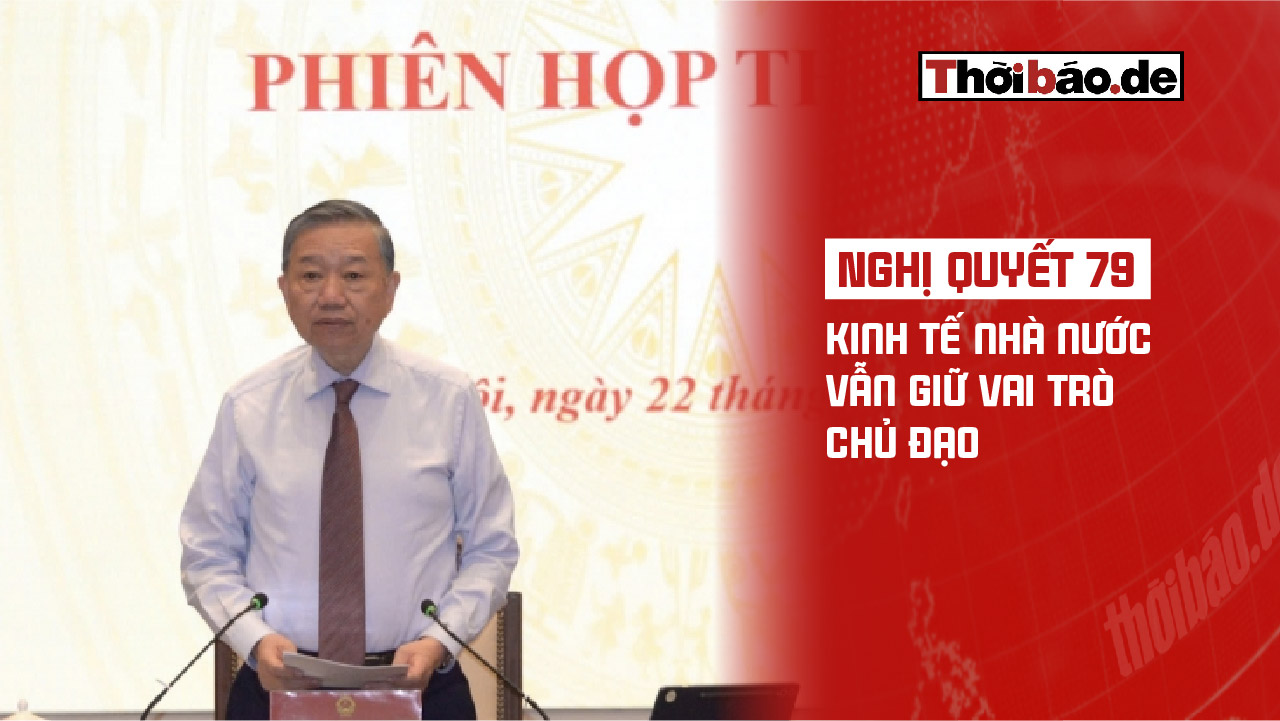
第68-NQ/TW號決議將私營經濟定位為國家經濟的「最重要動力」,甚至設定目標,期望該領域在2030年對國內生產總值(GDP)的貢獻率達到約55–58%。聽起來令人振奮:私營經濟被明確定義為增長引擎,企業家更被比作「經濟戰線上的戰士」。但還未及啟動引擎,《第79-NQ/TW號決議》又重申國有經濟「仍將發揮主導作用」。那麼,這輛「奮力前行」的車究竟有幾位駕駛員?

當然,從理論上講,這兩大經濟部門完全可以共存:國家掌控戰略性領域,私營部門則成為推動經濟增長的活力力量。相關文件中也明確提到,各經濟成分應平等共存、合作並進行良性競爭。但棘手的問題在於:如果被稱為「最重要動力」的部門,仍須在另一個被界定為「主導」的經濟體中運作,那麼權力、資源與競爭機會的界線該如何劃分?

稍作諷刺:若要跑得快,就需要強勁的引擎;但如果最強勁的引擎仍必須將駕駛座讓給「主導角色」,乘客大可問問:這輛車究竟要靠什麼來加速?「奮發圖強」不僅需要口號或華麗的名稱;它更需要明確的遊戲規則、實質的競爭、受保障的財產權,以及有效配置的資源。相關文件本身也承認了公平競爭、透明度以及制度改善的要求。如果這兩項決議並非真正相互矛盾,那麼請務必清楚說明:「主導角色」仍居核心地位之際,最重要的動力究竟能自由加速到什麼程度?

https://www.facebook.com/share/p/1ErPoErS17/

Бывают моменты, когда даже букет цветов становится тем, что нужно как-то «сохранить» в интернете. Увидев, что людям больше не разрешают приносить цветы на место памяти о До Нгок Фуонг Тхуй, Пэм Сю — никнейм одного из пользователей Threads — создала «Дерево памяти № 55». Дерево без земли, без корней, но с цветами, свечами и записками. На первый взгляд кажется, что это просто вопрос технологий. Но если присмотреться повнимательнее, это очень жизненный вопрос: почему даже прощальные слова нуждаются в убежище?

На сайте можно отправить цветы, зажечь свечи и оставить сообщение для 18-летней школьницы, погибшей в ДТП 30 мая 2025 года на улице Нгуен Хуй Ту. Кто-то под ником Мань написал: «Сестра, мы здесь добиваемся справедливости для тебя». Слова простые, но достаточные, чтобы заставить читателя остановиться. Ведь если в реальной жизни букет цветов могут убрать, то в сети воспоминания прорастают строка за строкой. Можно ли, убрав цветы, избавиться от боли и вопросов о справедливости?

Поэтому «Дерево памяти 55» несет в себе оттенок горькой иронии: чем больше люди стремятся стереть следы памяти, тем больше они способствуют их появлению в другом месте. Неизвестный веб-сайт внезапно стал местом, куда незнакомцы присылают свечи, цветы и даже вопросы, остающиеся без ответов. Пэм Сю не раскрывает свою личность из соображений безопасности. И именно эта деталь делает историю ещё более парадоксальной: даже для выражения памяти приходится искать способ сохранить анонимность. Цифровое дерево не может заменить настоящий букет цветов, но оно может напомнить, что воспоминания — это не то, что исчезает, если его просто «убрать».

https://www.facebook.com/share/p/1BeRVrYqnv/

Die Erosion des Vertrauens der Öffentlichkeit in die staatlichen Institutionen in Vietnam wurde gerade durch die unverblümten Äußerungen von Oberst Trần Nhung, dem ehemaligen Chefredakteur der Zeitung „Cựu Chiến Binh“, deutlich, als er über den tragischen Verkehrsunfall sprach, der vor genau einem Jahr in Hanoi das Leben der Schülerin Đỗ Ngọc Phương Thùy forderte.


Im Rückblick auf den Vorfall wies Trần Nhung darauf hin, dass niemand das Risiko von Verkehrsunfällen anprangere, sondern dass die Empörung der Öffentlichkeit vor allem auf das undurchsichtige und verschleiernde Verhalten des gesamten politischen Systems in Vietnam zurückzuführen sei.


Demnach hätten die etablierten Medien und die Polizeibehörden sofort transparent gehandelt, wenn ein gewöhnlicher Bürger einen Unfall verursacht hätte; in diesem Fall jedoch handelte es sich bei dem Unfallverursacher um einen ehemaligen Abgeordneten des Nationalparlaments, dessen Ehefrau das Amt einer Ministerin bekleidet.

Bemerkenswert ist, dass der Fall laut Oberst Trần Nhung plötzlich monatelang in ein unverständliches Schweigen versank – ohne eine einzige offizielle Meldung und ohne eine öffentlich bekannt gegebene Ermittlungsergebnis seitens der Strafverfolgungsbehörden.

Nach der Analyse des ehemaligen Chefredakteurs wäre es akzeptabel, wenn sich die Familie des Opfers und der Unfallverursacher auf eine Entschädigung geeinigt hätten, um den Rechtsstreit beizulegen – vorausgesetzt, dies wäre öffentlich bekannt gegeben worden.

Doch gerade das Vertuschen und die mangelnde Transparenz seitens der Behörden sind der Auslöser für die Empörung in der Gesellschaft und führen unmittelbar zum Zusammenbruch des Vertrauens in die Strenge des Rechts.


Dieses Phänomen hat zwei wesentliche Ursachen: zum einen die Gewohnheit, das Ansehen hochrangiger Amtsträger um jeden Preis zu wahren, und zum anderen die Untätigkeit sowie die mangelnde Bereitschaft der staatlichen Medien und der Strafverfolgungsbehörden, ihre Aufgaben ernsthaft wahrzunehmen.


Wenn Gesetze gebogen werden, um die Privilegien der Führungskräfte statt der allgemeinen Gerechtigkeit zu schützen, führt dies nicht nur zu Unzufriedenheit in der Bevölkerung, sondern untergräbt auch grundlegend das Ansehen des gesamten politischen Systems Vietnams.

Hong Linh – Thoibao.de

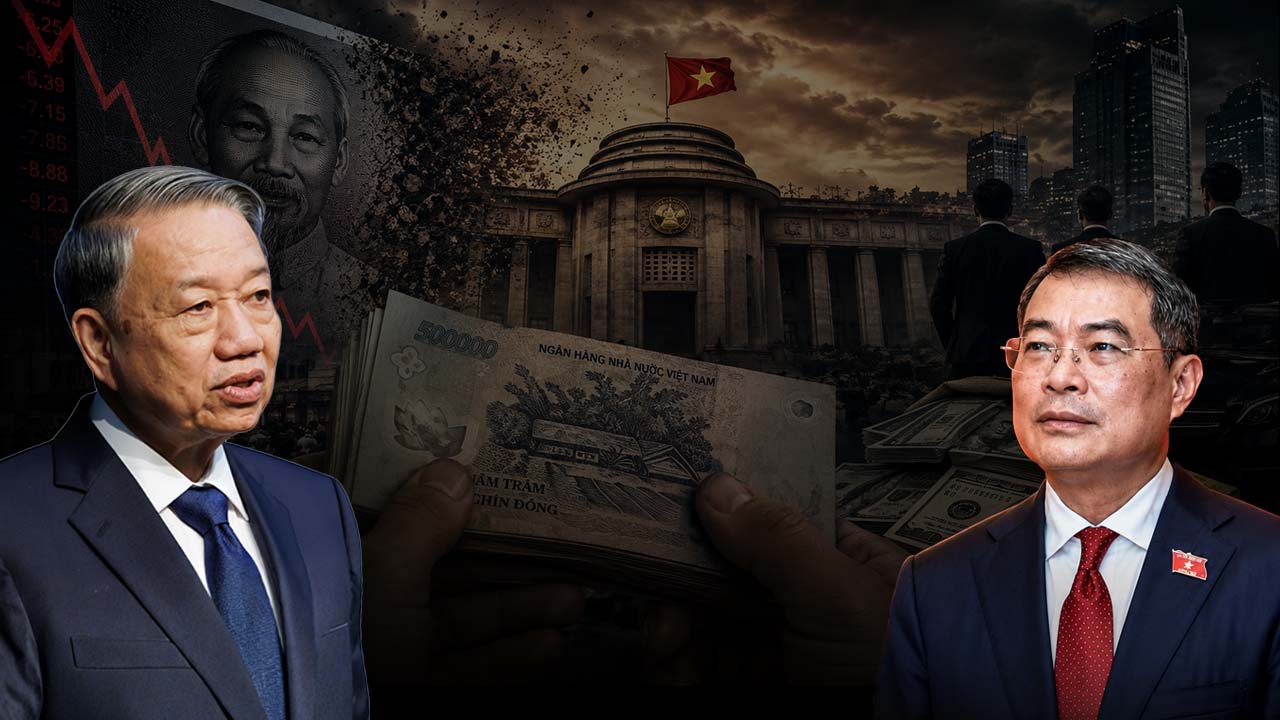
According to international observers, amid the undercurrents of an economy reeling from inflationary pressures and the burden of bad debt, rumors that the Vietnamese government is considering a currency redesign—cutting off three zeros—have become a major source of anxiety in society.

Although there has been no official announcement from the State Bank of Vietnam, unease has spread rapidly—especially given that the previous currency reform in 1985 marked the beginning of a period of runaway hyperinflation with no way out.


Against the backdrop of the Ba Dinh leadership pouring all its resources into bailing out the “red oligarchs” at any cost—despite inflationary pressures—the question at hand is not merely a monetary issue, but the very stability of the entire national financial system, which is teetering on the brink due to this high-risk policy decision.

Theoretically, removing three zeros from the currency’s denomination—a mere adjustment in the unit of measurement, where 100 million old dong would become 100,000 new dong—would not diminish the public’s net worth.


However, if actually implemented, this would be a life-or-death overhaul of the entire national financial infrastructure—a financial version of the Y2K crisis that any country would dread.


Imagine the entire banking system, ATMs, corporate accounting software, electronic invoices, etc.—along with millions of loan contracts and savings accounts—all having to be synchronized to reflect the new currency value at the exact same moment.


This is not only a massive financial burden but also carries the risk of system failures that could paralyze the entire economy in the short term, creating unprecedented chaos and inadvertently triggering price spikes for a wide range of essential goods.

But the most frightening risk lies in crowd psychology and the fragile confidence in the economy. Currency conversion, which is always synonymous with instability, is a sign of an economy that is exhausted and has lost the ability to control inflation.

If this policy is implemented while the Vietnamese economy is under significant pressure as it is today, it will become an extremely powerful psychological shock, triggering a wave of panic that will drive people to rush to buy gold and foreign currency to preserve their assets.


The history of countries that have weathered inflationary storms, such as Zimbabwe, serves as a costly lesson on how a currency can rapidly lose value when confidence erodes to its absolute limit.

When the public collectively flees the domestic currency, demand for gold and the U.S. dollar will surge, driving prices skyward and pushing already severe inflation completely out of control.

Foreign investors will have to immediately reassess risks if they suspect that the currency conversion is merely a stepping stone toward foreign exchange controls or restrictions on remittances abroad.

In that case, the withdrawal of investors will not only slow economic growth but also put an end to efforts to attract capital to rescue crony conglomerates drowning in debt.


From the government’s perspective, if the goal of the currency revaluation is to mask currency depreciation or to create new financial space for loans to oligarchs, it is nothing short of a life-or-death gamble.


Pampering special interest groups with risky monetary policies like those described not only challenges the sustainability of the economy but also tests the patience of tens of millions of citizens struggling through a price surge.


When monetary policy is tightly tied to the goal of bailing out collapsing “red capitalist” empires, it is the people who end up bearing the most painful consequences.

Trà My – Thoibao.de