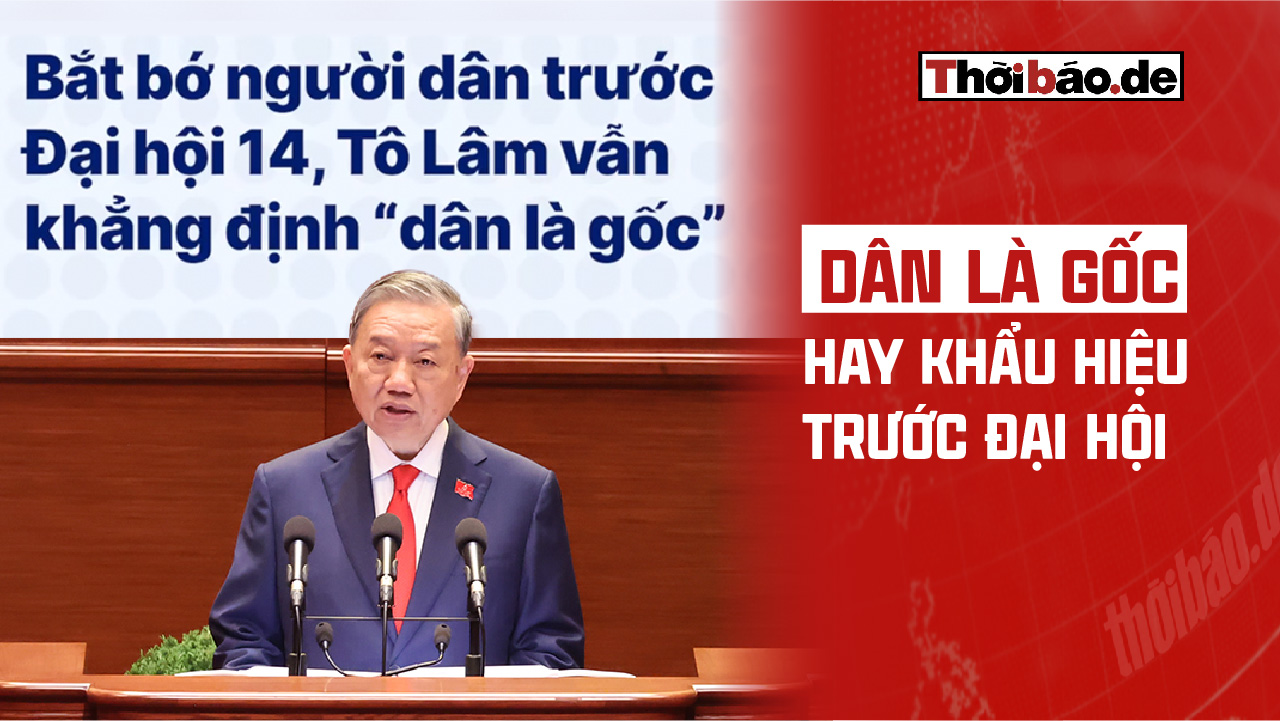
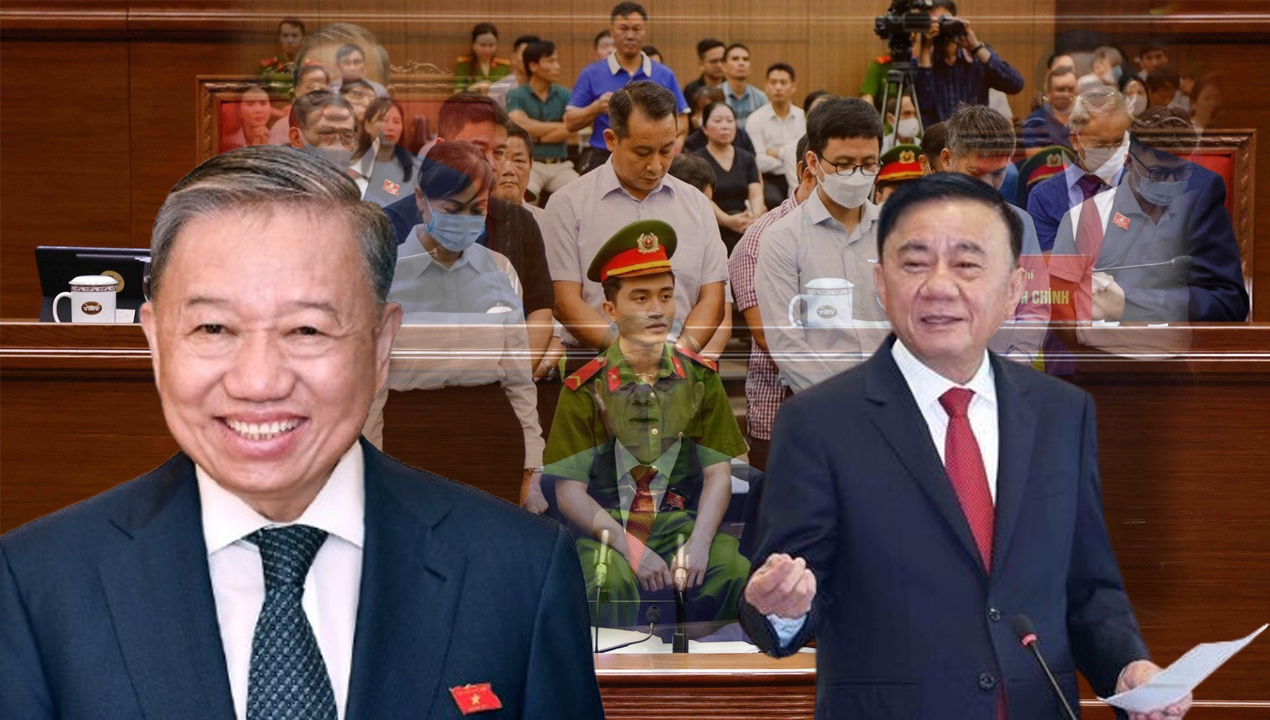
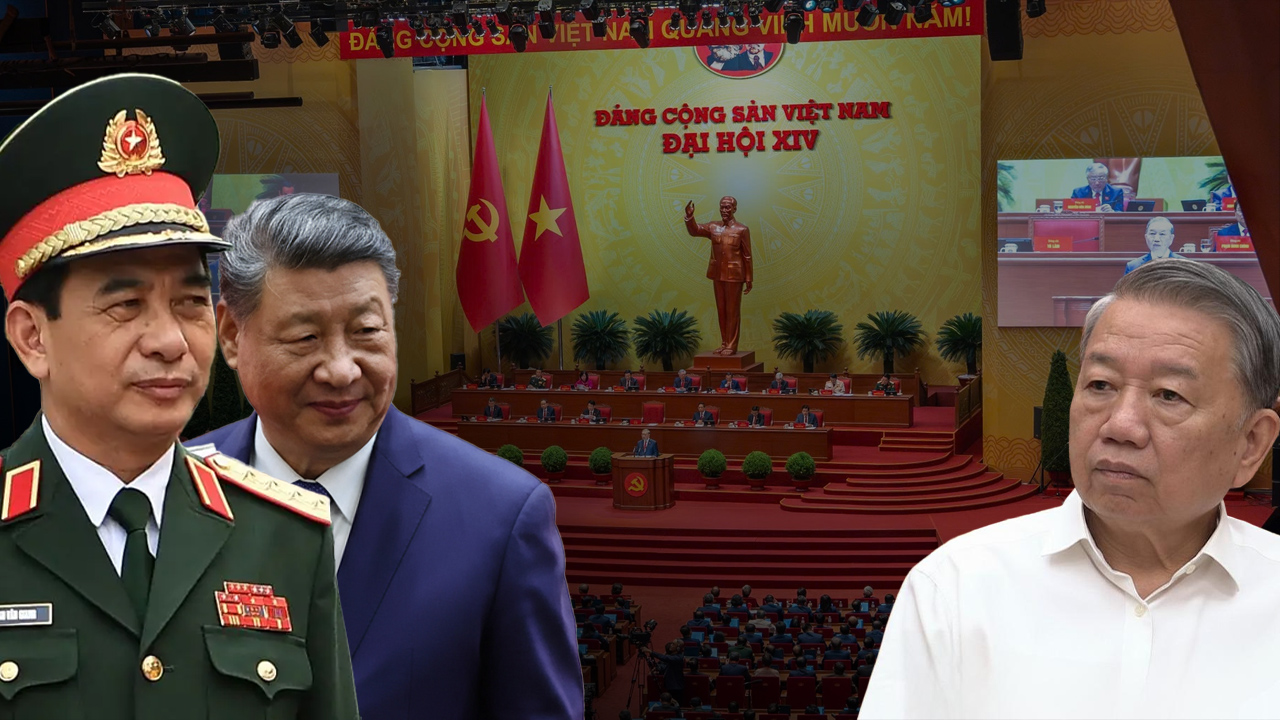
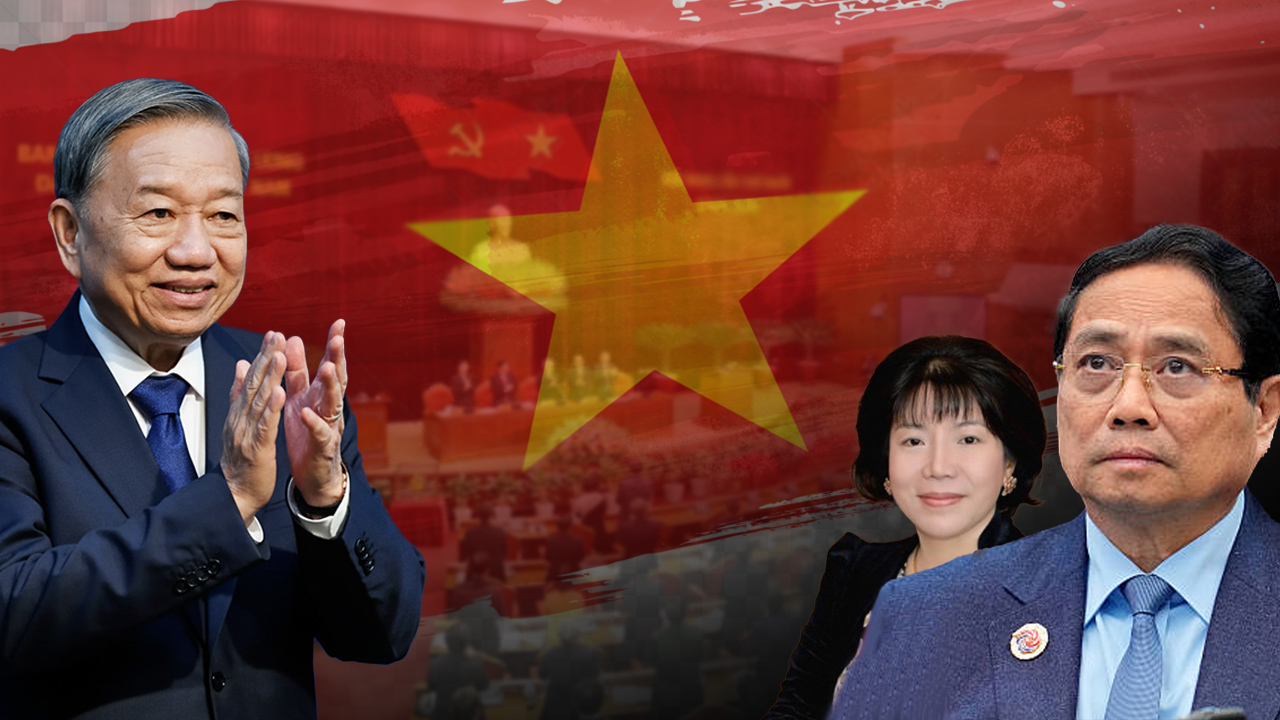
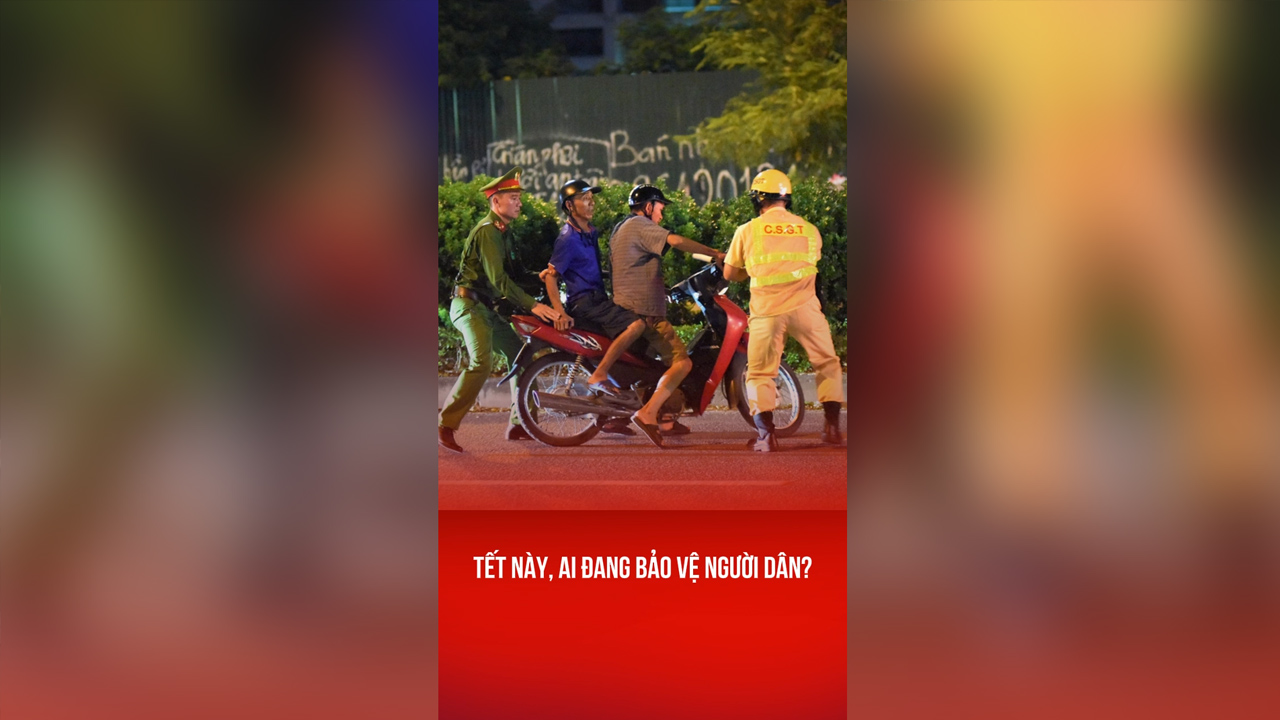
В преддверии XIV съезда, на фоне того, как общественность фиксирует целую череду задержаний, вызовов на допрос и ужесточения общественного контроля, выступления То Лама вновь подчёркивают привычный посыл: «народ — основа». Фраза, многократно повторявшаяся на протяжении многих лет, на этот раз прозвучала в момент, когда немало критических голосов оказываются заблокированными, и потому разрыв между словами и реальностью стал предметом споров.

В официальных СМИ тезис «ставить народ в центр» подаётся как руководящий принцип любой политики. Однако на местах многие задаются вопросами, когда меры безопасности усиливаются — от контроля над социальными сетями до задержаний, происходящих вплотную к срокам съезда. Для них «народ — основа» словно существует лишь в торжественных речах, тогда как право выражать своё мнение рассматривается как фактор, подлежащий контролю.

Наблюдатели считают, что ужесточение перед съездом — не новость, однако язык, насыщенный красивыми словами, лишь ярче высвечивает парадокс: чем больше говорится о роли народа, тем сильнее сужается пространство для независимого голоса. Это постепенно лишает привычный лозунг убедительности, превращая его в элемент политического ритуала, а не в реальное обязательство.

Когда съезд описывается как место выражения общей воли, а граждане остаются вне процесса принятия решений, возникает вопрос: действительно ли «народ — основа» является фундаментом власти — или же это всего лишь необходимая словесная оболочка, призванная легитимировать заранее предопределённые решения?

在第十四次大会上,陈锦秀表示,在上一届任期内,已有不少中央队伍中的高级干部、担任关键职务的人员,缺乏“修养、锻炼”,在“道德、生活作风”方面出现“退化”。这一判断写入了《第十三届中央委员会领导、指导工作检讨报告》,反映出干部工作中一种令人担忧的现实。

据陈锦秀称,在领导与管理过程中,部分中央干部由于在专业能力和政治品质方面锤炼不足,导致出现多项严重违纪违法问题。“政治思想、道德与生活作风方面的退化”不仅造成违反党的规定和国家法律,也在党内与社会引发不满,削弱了党的威信与战斗力。

这位中央书记处常务书记解释说,原因在于一些党员未能坚定政治立场,缺乏道德修养和革命意志。在全体代表面前,陈锦秀代表中央委员会承担责任,并就上述缺点进行了集体自我批评。然而,由于未明确指出具体个人或具体案件,舆论也提出疑问:这样的检讨是否足以追究责任,还是仅停留在泛泛认错的层面?

如果你想要繁体中文(繁體)版本,或者想把语气改得更像新闻报道/评论文章/更尖锐一点,我也可以帮你调整。

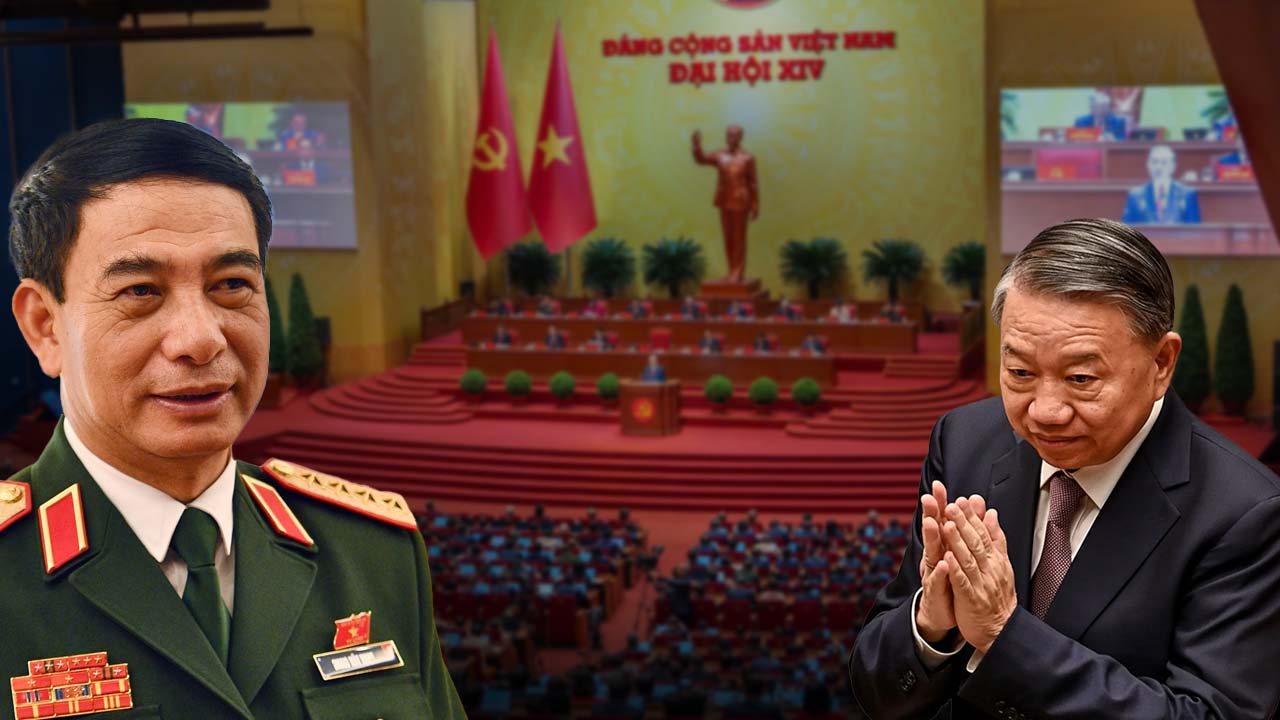
Der Festsaal des 14. Parteitags der Kommunistischen Partei Vietnams (KPV) präsentierte ein Erscheinungsbild, das sich deutlich von den Parteitagen früherer Amtszeiten unterscheidet.

Die Abschaffung des zentralen Slogans, das Entfernen dekorativer Blumenarrangements sowie die Vereinfachung der Namensschilder der Delegierten auf nur noch zwei Worte – „Genosse“ – vermittelten das Bild eines verschlankten Apparats, der Funktionalität statt Form in den Vordergrund stellt.

Am auffälligsten war die symbolische Veränderung des Hồ-Chí-Minh-Denkmals: von einer statischen Büste hin zu einer Ganzkörperdarstellung im Stehen – ein Ausdruck des entschlossenen Handlungsgeistes der neuen Amtsperiode.

Gleichzeitig offenbart die hartnäckige Präsenz der beiden Porträts von Marx und Lenin – auch wenn sie bewusst höher und weniger sichtbar aufgehängt wurden – die Grenzen der Macht des Generalsekretärs Tô Lâm.

Nach Ansicht internationaler Beobachter ist die Tatsache, dass die KPV weiterhin die Bilder zweier westlicher kommunistischer Führungsfiguren aufrechterhalten muss, während selbst der große „Bruder“ China sie bereits seit dem Parteitag der KP Chinas im Jahr 2007 entfernt hat, ein erheblicher Rückschritt in Tô Lâms Reformagenda.

Diese Realität wird als ein erzwungener „Rückzieher“ des Generalsekretärs Tô Lâm unter dem Druck des konservativen, China-nahen Lagers innerhalb der Partei gewertet, das vom Militärflügel angeführt wird.

Zwar wird der heutige Sozialismus von Analysten häufig nur noch als eine „Hülle“ betrachtet – als Tarnschicht zur Aufrechterhaltung des politischen Alleinanspruchs von Staaten, die sich kommunistisch nennen.

Dass Tô Lâm dennoch bei ideologischen „Sperrriegeln“ nachgeben muss, um das Machtgleichgewicht mit dem Militärflügel zu sichern, zeigt, dass seine Position keineswegs „unangefochten“ oder so stark und absolut ist, wie es mitunter gemutmaßt wird.

Der 14. Parteitag erscheint damit als ein Bild voller Widersprüche: Die KPV will zwar entschlossen reformieren, bleibt jedoch von Schatten der Vergangenheit gebunden – Schatten, die der Parteichef nicht stark genug ist, vollständig abzuschütteln.

Hồng Lĩnh – Thoibao.de

These days, the power center in Ba Đình is being engulfed by the heat of a historic, no-holds-barred political showdown—one whose outcome will completely reshape Vietnam’s power structure.

Although the 14th Party Congress is officially scheduled to open on January 20, 2026 with all the solemn ceremony, international observers have long judged that the political fate of Prime Minister Phạm Minh Chính is “hanging by a thread.”

Chính was once dubbed the “last survivor” among the “four pillars” of the 13th term. But now he appears to be standing on the most precarious ground of his career, as General Secretary Tô Lâm—his biggest political rival—has just sent unmistakably decisive signals.

Specifically, General Secretary Tô Lâm signaled an impending purge right in his opening speech to the 14th Congress, with the hardline declaration that “all violations will be punished.”

According to AFP, Tô Lâm not only pledged to continue the anti-corruption campaign but also evoked Xi Jinping’s “tigers and flies” drive, with effective tools for eliminating internal opponents.

Observers immediately connected that message to the image of Prime Minister Chính, said to be sitting “dazed” on the Presidium with an anxious expression.

That anxiety is not unfounded, given Chính’s “Achilles’ heel”: alleged ties to Nguyễn Thị Thanh Nhàn and the AIC scandals dating back to his time as Party Secretary of Quảng Ninh—issues that have been, and continue to be, relentlessly exploited.

However, the decisive blow that has backed him into a corner did not begin on the opening day of the 14th Congress. It unexpectedly surfaced from Cà Mau in the final days of 2025.

The claim that Nguyễn Tấn Dũng moved to revive the AIC case right in the “holy land” of Cà Mau is presented as evidence that “Ba Dũng” has sided with General Secretary Tô Lâm to remove Chính and clear the way for a new power order.

This is portrayed as a carefully calculated move to fully isolate the sitting prime minister—turning the Nhàn–AIC case into a “mercy shot” to eliminate Prime Minister Phạm Minh Chính from the post–14th Congress power chessboard.

According to well-connected sources, ahead of the 14th Congress the confrontation between the two most powerful figures in Vietnam has moved past the probing phase into direct, fierce, uncompromising face-off.

No longer maintaining a soft defensive posture, Prime Minister Phạm Minh Chính is described as making strong counter-moves, publicly criticizing the police for shielding smugglers and questioning the “fighting will” of the so-called “Hưng Yên Ministry.”

This is framed as a direct declaration of war against the police faction that serves as Tô Lâm’s power base. In response, the Ministry of Public Security is said to have “retaliated” by arresting a series of key figures in Thanh Hóa—Chính’s political stronghold.

Although Prime Minister Phạm Minh Chính is reportedly trying to cling to a diplomatic “shield” through major infrastructure projects in cooperation with China—seeking to borrow Beijing’s influence to protect his position—

General Secretary Tô Lâm’s decision to “sacrifice” the North–South high-speed rail project is portrayed as a tactic that has turned Chính’s dream—already suspected of entailing political dependence on Beijing—into smoke.

Meanwhile, the personnel chessboard for the new term appears to have been settled, with Lê Minh Hưng positioned to take over the premiership. This further reinforces the view that Chính being “put on the chopping block” after the 14th Congress is hard to avoid.

In short, removing Phạm Minh Chính is presented not merely as an issue of Party discipline, but as a necessary step for General Secretary Tô Lâm to “make an example” of lingering seeds of resistance within the Party and to consolidate absolute power for the Hưng Yên bloc.

Trà My – Thoibao.de

Накануне открытия XIV съезда Коммунистической партии Вьетнама, по мнению международных наблюдателей, в новейшей политической истории Вьетнама редко бывало решение, внедрённое столь молниеносно и вызвавшее столь глубокие потрясения, как курс Генерального секретаря То Лама на укрупнение и «сжатие» административного аппарата путём слияния территорий.
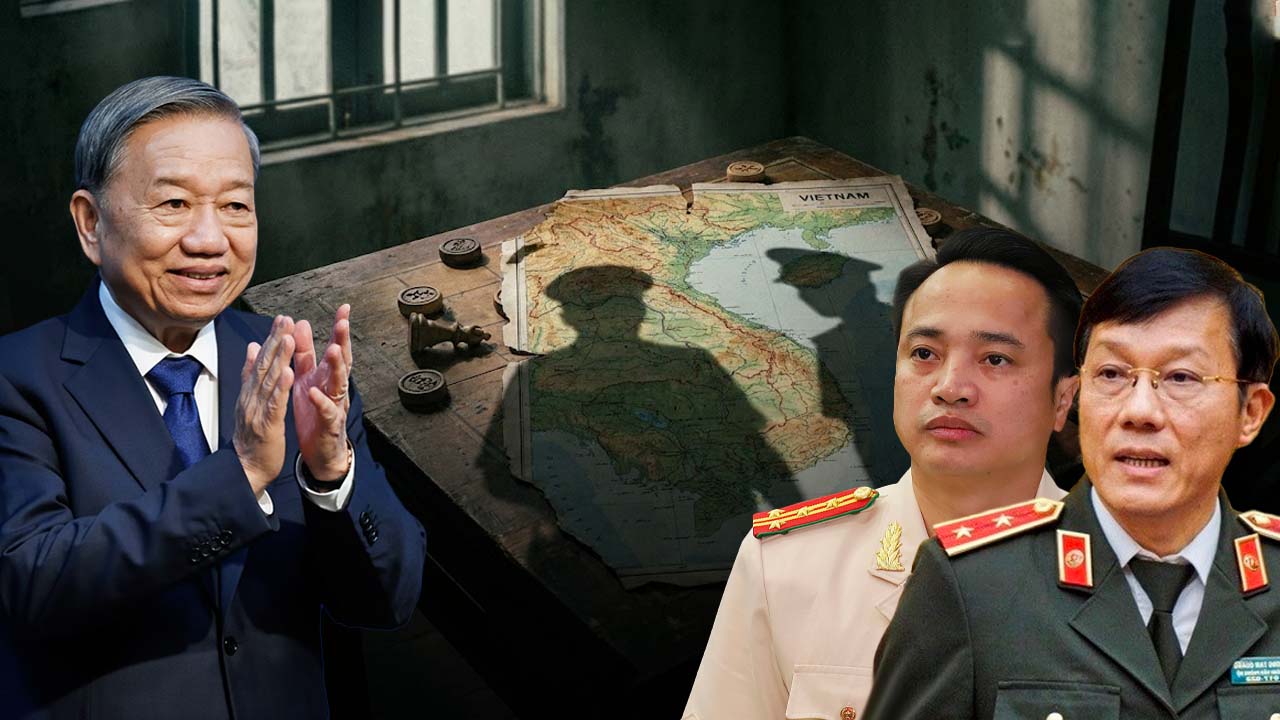
Этот курс, прикрываемый красивыми словами о «перестройке государства» ради сокращения бюрократии и оптимизации ресурсов, по сути является жестоким силовым ходом, направленным на устранение политических соперников То Лама.

Встаёт вопрос: кто на самом деле выигрывает, когда карту страны спешно перекраивают — причём, как утверждается, исключительно ради групповых интересов силового крыла (партии «полиции») и личных амбиций То Лама накануне XIV съезда?

Практика реализации показала необычайную спешку: этот масштабный процесс слияний был насильственно загнан в крайне сжатые сроки. Решения об объединении провинций принимались механически, при этом полностью игнорировались ключевые исторические, культурные и иные особенности местных сообществ.

Данный курс несёт яркий отпечаток командно-административного мышления, не учитывающего настроения и ожидания населения. При отсутствии научной оценки целые территории с богатой традицией внезапно «исчезли». Особенно примечательно и то, что инициатива не сопровождалась подведением итогов — по принципу «ударили в барабан и бросили палочки».

В результате возникли очевидные последствия: люди не увидели обещанной «лучшей жизни», напротив — они застряли в лабиринте бюрократических процедур, запутанных документов, а расходы на поездки выросли.

По мнению аналитиков, если глубже взглянуть на суть политической партии, эта турбулентность — не техническая ошибка, а крайне тонкий и намеренный расчёт со стороны главы партии.

Слияние провинций означает фактическое обнуление прежней системы руководства — от секретарей провинциальных парткомов и председателей народных комитетов до постоянных бюро. Именно это стало «золотым моментом» для Генерального секретаря То Лама, чтобы провести беспрецедентную по масштабу кадровую зачистку накануне XIV съезда.

«Ликвидируя» прежние административные единицы, То Лам получал формально законный повод убрать фигуры не из своей команды и одновременно расставить лояльных людей на ключевые позиции — чтобы решать свою политическую судьбу на XIV партийном съезде.

Итог этой «перестройки государства» обнажил голую реальность подъёма так называемого «Хынгйенского министерства». Речь идёт о почти абсолютной концентрации власти: 5 секретарей провинциальных парткомов, 3 председателя провинциальных народных комитетов и 7 начальников провинциальной полиции в стратегически важных регионах — выходцы из Хынгйена, родины Генерального секретаря.

Перед XIV съездом расклад сил демонстрирует плотную сеть влияния, протянувшуюся от партийных структур до местных администраций, — всё это, как утверждается, оказалось под контролем силового крыла. Генеральный секретарь То Лам, по данным автора текста, контролирует до двух третей членов Политбюро и Секретариата.

А «Хынгйенское министерство» проявилось как гигантская группа интересов, использующая силу «чёрных досье» на руководящих кадрах для манипулирования и давления в вопросах высших назначений.

Единственный, кто действительно выигрывает, — это Генеральный секретарь То Лам и близкая к нему группа интересов. Пока страна сталкивается с риском масштабной нестабильности, власть силового крыла укрепляется как никогда.

Используя судьбу государства как шахматную доску, превращая слияние территорий в инструмент, а народ — в «жертвенный материал» ради личных властных амбиций, То Лам и силовое крыло, как утверждается, толкают страну в крайне рискованный период.

Общественность задаётся вопросом: сколько ещё придётся заплатить этой стране за страсть к власти и расчёты одного человека и его клана — То Лама, которого текст называет тем, кто стоит за всем происходящим?

Trà My – Thoibao.de

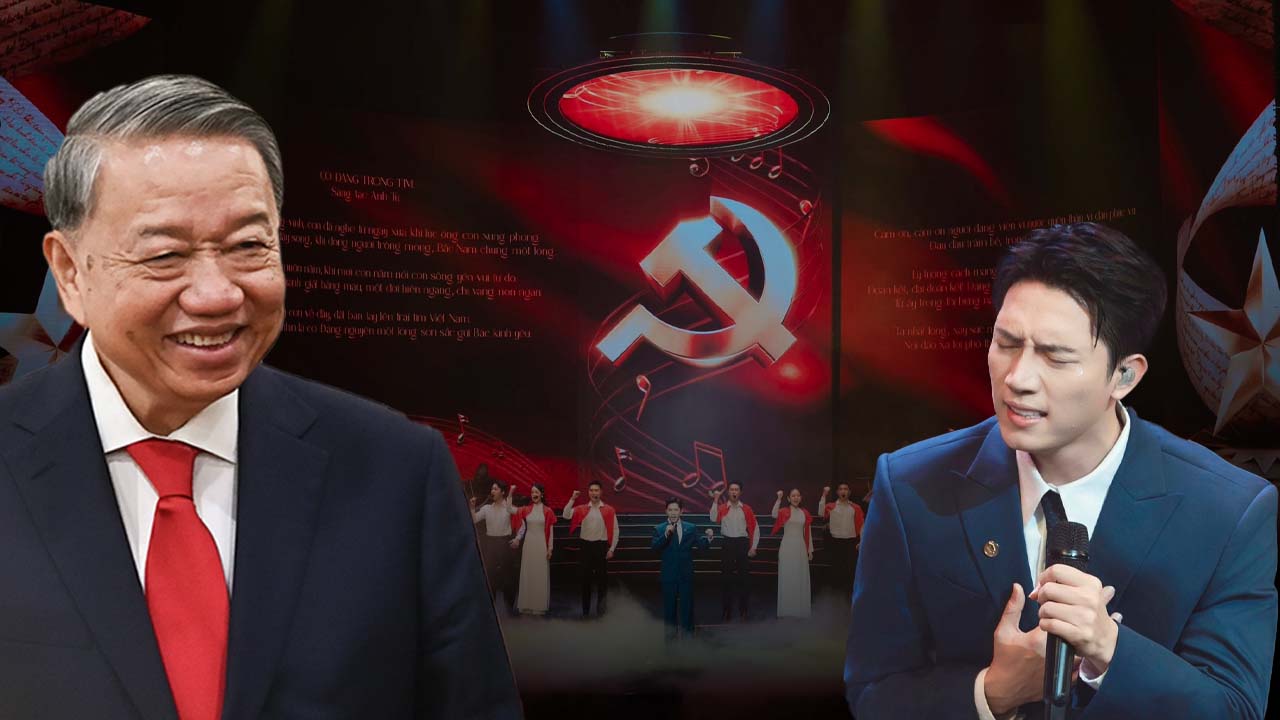
近日,歌手英俊公开发布并演唱其自创作品《致党——党在心中》,在社交媒体上掀起舆论波澜,也引起政治观察人士的关注。

据称该作品旋律旨在表达对越南共产党领导的绝对信念,并在河内的还剑湖剧院以庄重形式演出——该剧院被视为苏林的“主场”。

然而,部分国际分析人士以怀疑的视角看待这一事件,认为这是一种技术性手段,用以应对社会舆论的负面反应。其背景是,总书记苏林的个人威信被描述为“断崖式下滑”,并已跌至前所未有的低点。

作品的形成过程也揭示了政治机器对艺术活动的介入。英俊分享称,作品最终定稿过程中得到了《共产党杂志》编辑部的“修改”。这一细节表明,《致党——党在心中》并非仅仅是英俊的个人情感表达,而是一件被引导、用于服务宣传目标的产品。

值得注意的是,这并非英俊首次参与政治相关项目;此前他曾为纪念公安力量成立80周年的节目创作作品,而公安系统被认为是总书记苏林的权力根据地。

尽管这位男歌手强调这是“荣誉与责任”,但舆论认为此类“奉承党”的文化产品之出现,恰恰是系统在舆论压力面前无力的信号。

当总书记苏林已用尽各种方式、甚至包括强硬手段仍不足以挽回公众信任之时,借助艺人之手来唤起“爱党情感”,被视为一种救命稻草,用以缓解公众的不满情绪。

Hồng Lĩnh – Thoibao.de

Genau am Tag der Eröffnung des 14. Parteitags (19.01.2026) veröffentlichten die staatlichen Medien – obwohl die Personalpolitik auf höchster Ebene als „absolutes Tabu“ gilt – geschlossen wichtige Veränderungen im Spitzenpersonal.

Die überraschende öffentliche Bekanntgabe der Liste der Veränderungen im Spitzenpersonal gerade zu diesem sensiblen Zeitpunkt war eine kalkulierte Demonstration politischer Macht durch Generalsekretär Tô Lâm.

Vor dem Hintergrund, dass Tô Lâm nach Einschätzung internationaler Analysten tatsächlich dominierend ist und in der neuen Amtszeit rund zwei Drittel der Sitze im Politbüro und im Sekretariat kontrolliert, verfügt er über einen Anteil, der ausreicht, um jeden Widerstand oppositioneller Fraktionen innerhalb der Partei zu neutralisieren.

Der Austausch der Führungskräfte in Hanoi und Ho-Chi-Minh-Stadt sowie die Neuordnung zentraler Schlüsselpositionen in der Nationalversammlung, im Parteiapparat und in einigen der wichtigsten Ministerien der Regierung – allesamt besetzt mit Vertrauten Tô Lâms – verdeutlichen dies.

Dieses Ereignis markiert einen Wendepunkt und eine Veränderung im Funktionsmechanismus der KP Vietnams. Gleichzeitig bedeutet es das Ende des Prinzips der „kollektiven Führung“, das seit 1986 bis heute als Mechanismus zur Kontrolle von Macht aufrechterhalten wurde.

An seine Stelle tritt der Aufstieg eines Modells personalisierter Alleinherrschaft, in dem der Wille Tô Lâms „absolut“ alle nationalen Entscheidungen bestimmen wird.

Analysten zufolge ist der 14. Parteitag daher nicht länger ein Forum für Debatten oder Kompromisse zwischen Fraktionen wie bei früheren Parteitagen, sondern zu einer Bühne geworden, auf der eine neue politische Machtordnung legitimiert wird, die von Tô Lâm geschaffen wurde.

Mit einer Mehrheit in den entscheidenden „Superorganen“ der obersten Entscheidungsfindung – dem Politbüro und dem Sekretariat – steuert Generalsekretär Tô Lâm auf eine Amtszeit mit stark konzentrierter Macht zu.

Die Verschiebung hin zu einer personalisierten Alleinherrschaft unter Tô Lâm weckt jedoch auch große Sorgen vor einer möglichen Katastrophe, falls keine Kraft stark genug ist, um ein Gegengewicht zu bilden.

Hồng Lĩnh – Thoibao.de

On the morning of January 19, 2026, the 14th National Congress of the Communist Party of Vietnam (CPV) officially opened in Hanoi, bringing together nearly 1,600 delegates to decide the country’s political fate for the next five years.

While state media have worked hard to paint a picture of unity and cohesion within the leadership, international observers widely see the event as bearing the hallmarks of an unprecedented power struggle in the CPV’s history.

Accordingly, the focus of attention has centered on General Secretary Tô Lâm’s ambitions and the reaction of the military faction, currently regarded as the most significant counterweight.

Analysts note that the 14th Congress is taking place in a context where Tô Lâm—after 18 months in power—has made little effort to hide his desire to merge the two posts of General Secretary and State President, following the model of China’s leader Xi Jinping. However, his path toward absolute power has not been smooth.

The simultaneous presence of all 16 remaining Politburo members of the 13th term on the Presidium at the preparatory session—though explained as a symbol of unity—has in fact reflected a “same-same” standoff: a tug-of-war in which no side is willing to yield.

The inability to reduce the number of people on the Presidium suggests that Tô Lâm has been unable to rein in competing factions—from Hà Tĩnh and beyond to the military—which continue to “eye each other” and restrain one another in an extremely fragile balance.

One of the hottest flashpoints is the conflict over the direction of reform. Tô Lâm has shocked the political system by pushing to merge administrative units, cutting the number of provinces and centrally governed cities from 63 to 34, and dissolving certain ministries and agencies—moves aimed at breaking up closed networks of vested interests.

However, this very “shock therapy” has generated deep resentment among civil servants and public employees throughout the state apparatus, prompting many to seek protection from the military.

Meanwhile, the Vietnam People’s Army, with its cautious mindset, appears skeptical of Tô Lâm’s friendliness toward the West and the private sector. As a result, the biggest question hanging over the 14th Congress is what role General Phan Văn Giang, the Minister of National Defense, will play in the new political power arrangement.

Observers argue that while the likelihood of “toppling” Tô Lâm is low, the military faction is working to push Giang into the State President position in order to create a mechanism of cross-checks and prevent a scenario in which power is concentrated in a single individual.

Recent social-media propaganda activities said to be controlled by the military faction have repeatedly criticized Tô Lâm and openly elevated General Giang’s standing, signaling a ruthless behind-the-scenes bargaining process over personnel at Ba Đình.

Notably, the 14th Congress observed a moment of silence for the late General Secretary Nguyễn Phú Trọng—an event widely viewed as ironic and entirely undesirable for the incumbent General Secretary.

Over the past 18 months, Tô Lâm is believed to have worked to erase his predecessor’s legacy in order to establish his own imprint, yet at the 14th Congress he was still compelled to perform this tribute to maintain the Party’s legitimacy.

This further indicates that the “conservative” camp remains steadfast and strong in the face of the overwhelming force of General Secretary Tô Lâm’s police faction.

In short, the election results for the new Central Committee and Politburo at the 1st Plenum of the 14th Central Committee after the Congress will be the final answer.

Will Vietnam follow a model of strong centralization under Tô Lâm’s iron hand and a “police-state” style of governance, or will it return to a form of collective leadership constrained by the military, as has long been the case?

Trà My – Thoibao.de 

Đây là một trong những chiến dịch phi thường nhất trong lịch sử Hoa Kỳ: Lực lượng Mỹ bắt giữ nhà độc tài Venezuela Maduro và đưa ông ta đến Hoa Kỳ. Tổng thống Ukraine Zelenskyy đề xuất một điều tương tự đối với Ramzan Kadyrov. Lãnh đạo Chechnya phản ứng giận dữ.

Ramzan Kadyrov

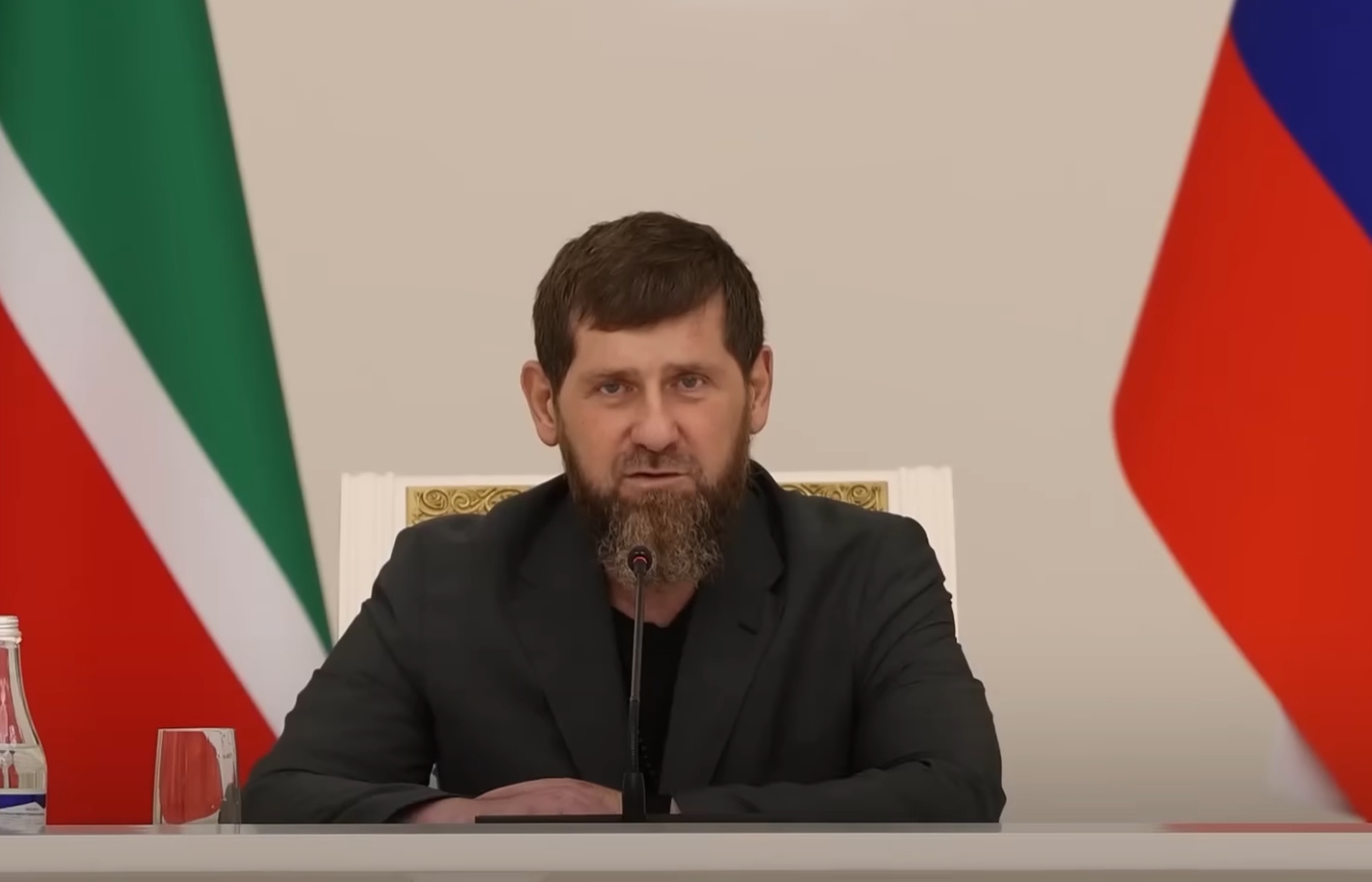
Sau vụ bắt giữ nhà lãnh đạo Venezuela Nicolás Maduro, Tổng thống Ukraine Volodymyr Zelenskyy đã đề xuất một cách tiếp cận tương tự đối với tổng thống của nước cộng hòa Chechnya thuộc Nga, Ramzan Kadyrov. “Họ đã hành động nhanh chóng,” Zelenskyy nói với các phóng viên, đề cập đến chiến dịch của Mỹ chống lại Maduro, và nói thêm: “Mong các bạn cũng thực hiện một chiến dịch tương tự chống lại, tên ông ta là gì nhỉ, Kadyrov.”

Ông Zelensky nói thêm rằng những hành động nhằm lật đổ Maduro đã chứng minh Washington có quyền lực gây ảnh hưởng đến Moscow nếu thực sự muốn. Việc loại bỏ Kadyrov sẽ khiến Tổng thống Nga Vladimir Putin “xem xét lại” chiến dịch quân sự đang diễn ra chống lại Ukraine.

Lực lượng Mỹ đã tấn công các mục tiêu ở Venezuela trong một chiến dịch quân sự vào sáng sớm thứ Bảy, bắt giữ Maduro và vợ là Cilia Flores và đưa họ đến Hoa Kỳ. Nhà độc tài cánh tả hiện đang bị giam giữ trong một nhà tù khét tiếng ở New York . Hai vợ chồng sẽ phải ra tòa xét xử tại Mỹ.

Ông Kadyrov đã đáp trả những phát ngôn của ông Zelenskyy trên mạng xã hội Telegram. Ông gọi tổng thống Ukraine là “thằng khốn” và mô tả yêu cầu “giúp đỡ” từ Mỹ của ông Zelenskyy là “sự sỉ nhục” đối với cá nhân ông.

Kadyrov, người đã cai trị nước cộng hòa Chechnya thuộc Nga bằng bàn tay sắt trong gần 20 năm, là một người ủng hộ trung thành của Putin. Đổi lại, Putin trao cho ông ta quyền tự trị rộng rãi để đổi lấy sự ổn định trong khu vực, nơi từng bị rung chuyển bởi các cuộc nổi dậy.

Ông Kadyrov đã điều hàng nghìn binh sĩ đến Ukraine để hỗ trợ cuộc tấn công của Nga và liên tục ủng hộ một cách tiếp cận cứng rắn hơn từ phía Moscow. Mới đây nhất, vào thứ Ba, ông đã đe dọa Ukraine sẽ trả đũa về một vụ tấn công bằng máy bay không người lái được cho là đã xảy ra ở thủ đô Grozny của Chechnya.

Lê Anh – Thoibao.de ( Tổng hợp)

Тет изначально — время воссоединения семьи, когда люди надеются на спокойствие после года тяжёлых забот о заработке. Но в этот Тет многие дороги оказались буквально усеяны постами дорожной полиции, превращая обычный выход из дома в постоянную тревогу. Люди не едут встречать весну и праздновать — они живут с ощущением, что в любой момент их могут оштрафовать. Некоторые, проехав через несколько провинций, получают протокол два-три раза за один день. Для бедных старый мотоцикл — это средство к существованию, но его всё равно могут конфисковать, выписать штраф и загнать человека в безвыходное положение уже в первые дни нового года.

Правила дорожного движения созданы для безопасности, для защиты людей. Но когда посты стоят на одном месте день за днём, ощущение безопасности постепенно уступает место страху. Они всё меньше напоминают точки поддержания порядка и всё больше — «пункты сбора тревоги», из-за которых каждая поездка превращается в тяжёлую ношу. Люди встречают Тет в состоянии беспокойства: вроде бы собрались вместе, а на душе неспокойно.

Штрафы растут, требования ужесточаются, а жизнь по-прежнему даётся тяжело. Дисциплина необходима, но если она строится на страхе и слезах бедных, это уже перекос. Строгость закона не должна означать бесчувственность; поддержание порядка не должно означать удушение средств к существованию.

Хорошее общество — это такое, где люди доверяют закону, а не боятся его. Когда страх становится «подарком» на Тет, многие с горечью делают вывод: лучше сидеть дома и не рисковать, чем выйти на улицу и унести с собой тревогу, которая может обернуться нуждой на весь год.

Thu Phuong – Thoibao.de