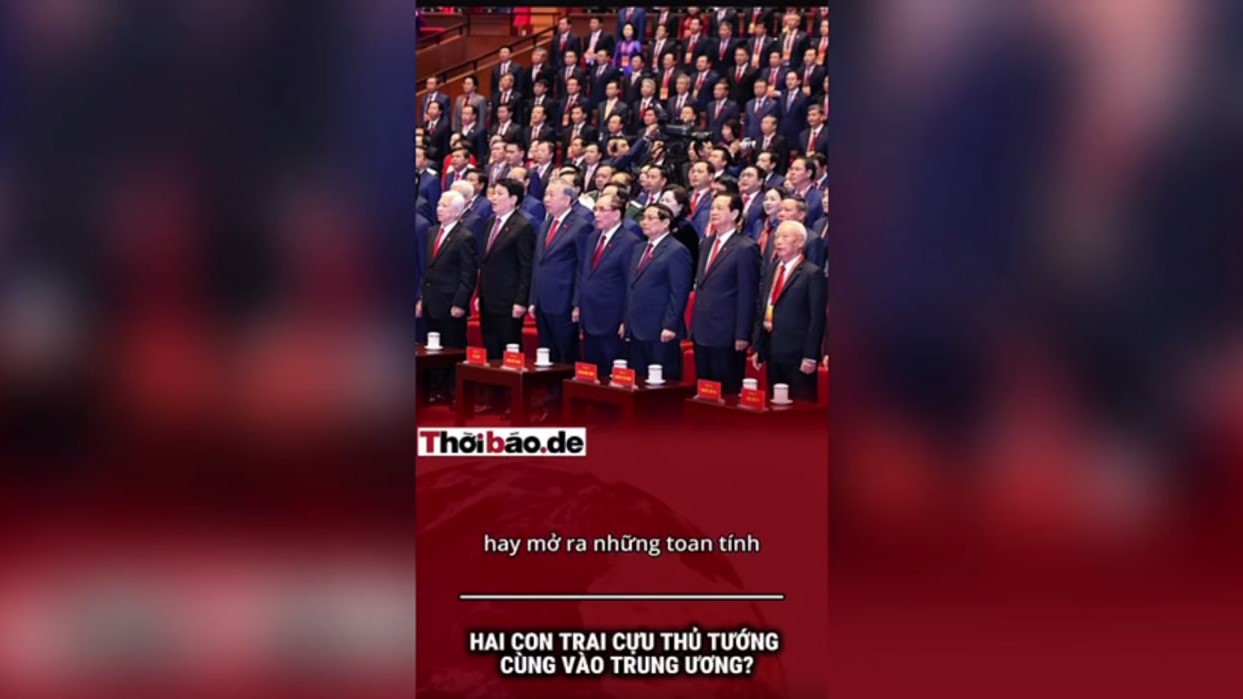
2026年1月23日,越南共产党第十四次全国代表大会在紧张的五天议程后闭幕,此次大会标志着巴亭政治权力结构出现了历史性转折。

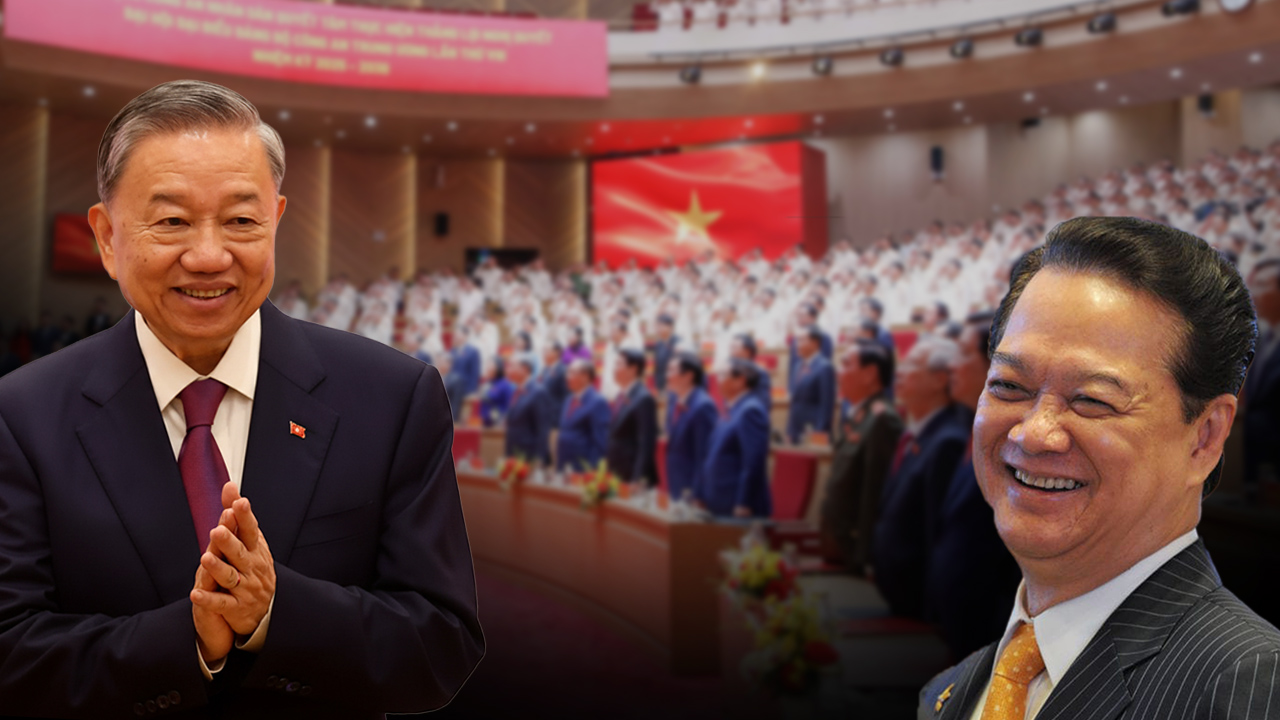
选举结果显示,现任总书记苏林(Tô Lâm)在新一届中央委员会中以180/180的绝对票数成功连任,进一步巩固了其在未来五年任期(2026—2031)内的独尊地位。

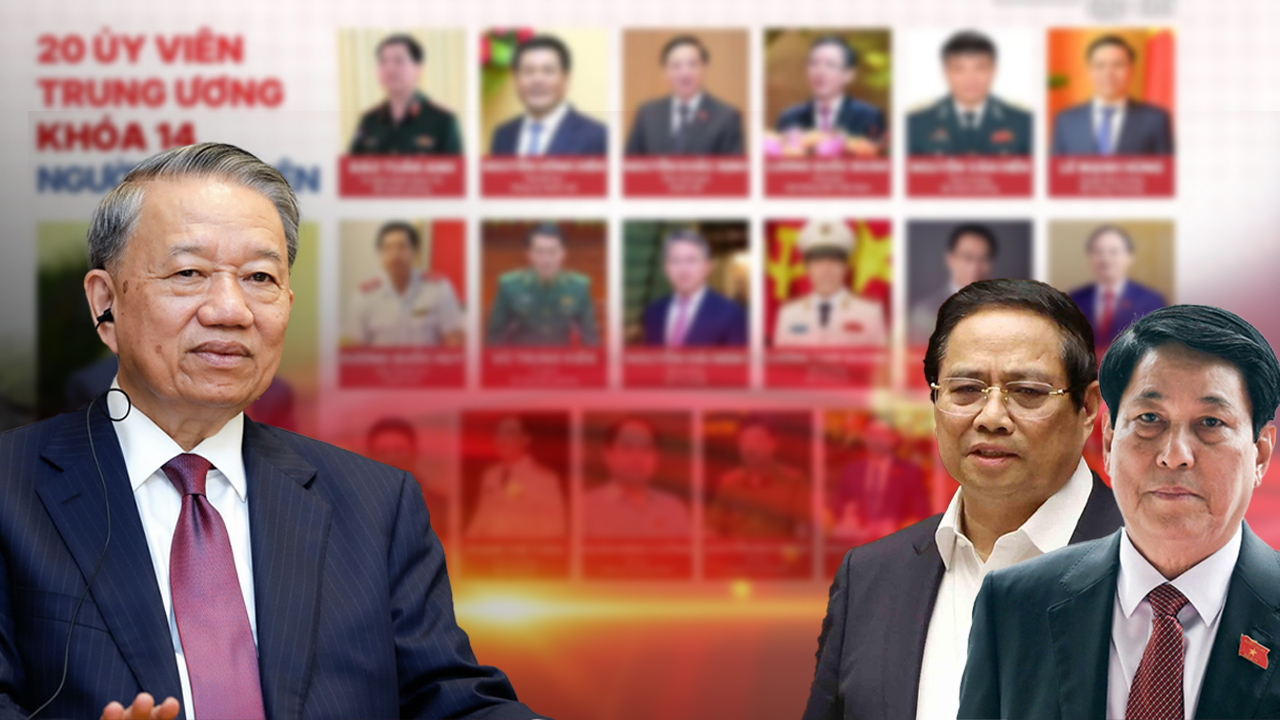
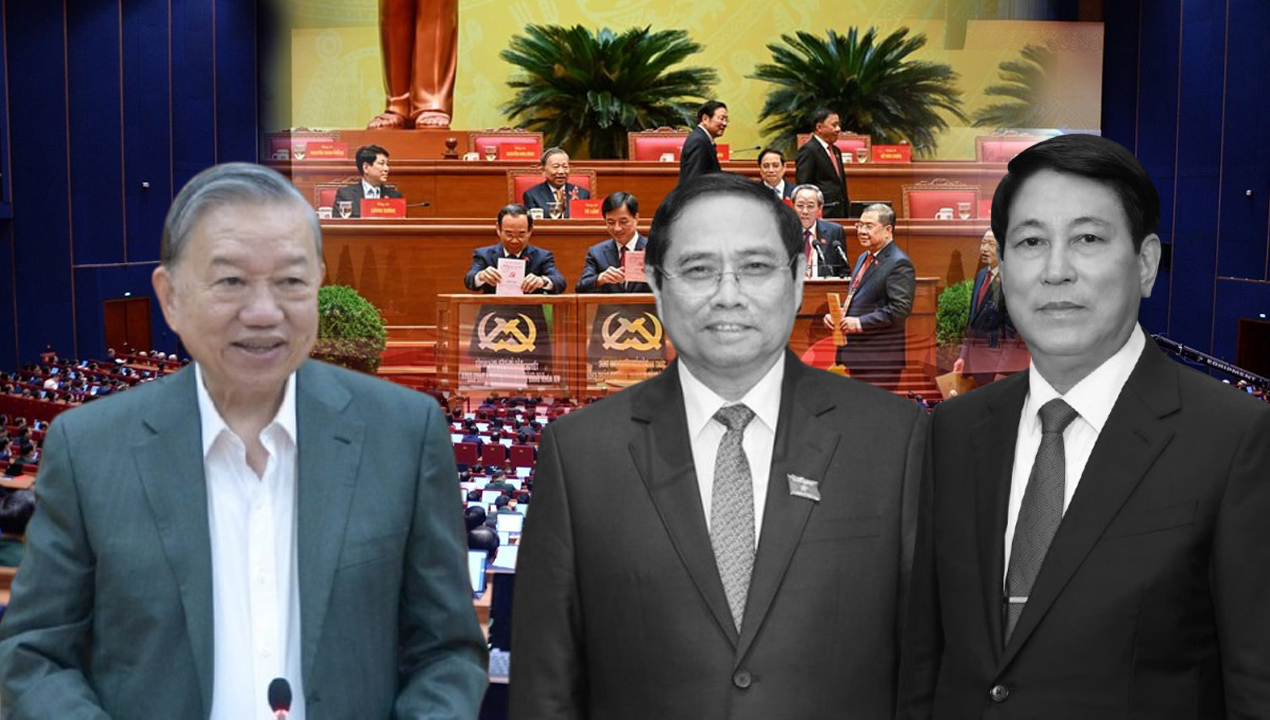
然而,令国际观察人士震动的,并不只是那些被视为与苏林不友好的关键人物的退场,例如国家主席梁强(Lương Cường)与总理范明政(Phạm Minh Chính)。

更引人关注的是:一支原籍兴安省(Hưng Yên)的干部群体出现了“前所未有”的崛起——他们与总书记苏林同乡且关系密切。此趋势在新一届政治局19名委员名单中尤为明显:其中竟有3人原籍兴安省。

在越南共产党历史上首次,第十四届中央委员会出现了压倒性的“兴安省籍”阵容:20名正式中央委员皆为兴安省人。

这不仅是地理上的巧合,更反映出苏林带有目的的人事布局——政治体系中最关键的岗位几乎都掌握在一个被称为“兴安省帮”的权力集团手中。

这20名权力人物的名单包括多位掌控执法监督、国家安全与首都河内相关机构的负责人,代表性人物如:苏林、梁三光(Lương Tam Quang)、阮维玉(Nguyễn Duy Ngọc)、司法部长阮海宁(Nguyễn Hải Ninh)以及最高人民检察院检察长阮维进(Nguyễn Duy Tiến)。

某一地方在最高权力机器中占据如此压倒性的比例,显示越南权力格局中的传统“地区平衡”原则正被削弱,取而代之的是一种基于忠诚、地方出身与局部利益的权力集中。

Hồng Lĩnh – Thoibao.de

On the afternoon of January 23, 2026, the 14th National Congress of the Communist Party of Vietnam officially concluded a day and a half earlier than scheduled. The outcome, according to international observers, was hardly surprising: incumbent Tô Lâm was re-elected with a perfect 180/180 vote by the newly elected Central Committee.

After decisively removing major political rivals such as Prime Minister Phạm Minh Chính and State President Lương Cường from the power arena, and with 9 out of 19 new Politburo members reportedly aligned with him, Tô Lâm appears to have taken full control of Vietnam’s political landscape.

However, a major question remains open—and contentious among analysts: Given such a dominant position, why has Tô Lâm not immediately implemented the “position-merging” model—serving simultaneously as General Secretary and State President—as previously rumored to happen right at the Congress?

The answer seems to lie in a fierce tug-of-war between personal ambition and institutional constraints that even Tô Lâm cannot instantly overcome.

According to Regulation 368-QĐ/TW, the shift from the “four pillars” model to a “five pillars” model—adding the Standing Member of the Secretariat to the top leadership group—was designed to create a new balance while awaiting more fundamental legal changes.

At the closing ceremony, Trần Cẩm Tú, the Standing Member of the Secretariat, immediately announced that he would direct research into revising and supplementing the Party Charter “from the very beginning of the term,” with a proposal to be submitted within 2026. This is seen as a signal that Tô Lâm is opting for formal legitimacy to legalize his supreme authority.

Analysts note that the current Party Charter and constitutional provisions remain technical barriers, meaning that an immediate move to merge the two top posts could trigger unnecessary constitutional conflicts. Not taking on the State Presidency right away does not mean Tô Lâm has abandoned that ambition.

If Tô Lâm were to impose a hasty administrative decision, it could provoke resistance from factions within the Party, and even risk a resurgence of military-linked factions. Therefore, he appears compelled to adopt a strategy of “one step back to take two steps forward”—first consolidating personnel, then rewriting the rules.

Observers believe the period from now until April 2026, when Vietnam’s 16th National Assembly is expected to convene to elect key government leadership positions for the 2026–2031 term, will be decisive.

By then, revisions to the Party Charter are expected to be completed, providing the additional changes needed to legalize institutional synchronization in a constitutionally compliant manner.

This suggests a carefully calculated roadmap to pave the way for Tô Lâm’s “exclusive” concentration of power to be finalized in the first half of 2026.

In this way, Tô Lâm can avoid being labeled a “dictator” or appearing to break the principle of collective leadership right at the 14th Congress, while also gaining time to complete the legal framework and turn a centralized power model into an officially recognized arrangement.

In sum, even if he has not become the absolute leader in name immediately after the 14th Congress, the 100% vote and his control over the Party Charter revision process mean that General Secretary Tô Lâm is, in practice, holding an unprecedented level of power since 1986, exercising leadership influence across both the Party and state apparatus.

The “delay” in assuming the State President’s chair is not a failure, but a cautious move in a context where Tô Lâm still faces pressure from the mechanism of collective leadership and oversight by the broader leadership.

The power “merger” chess game is only beginning, as General Secretary Tô Lâm continues to rewrite the rules. Let’s wait and see.

Trà My – Thoibao.de

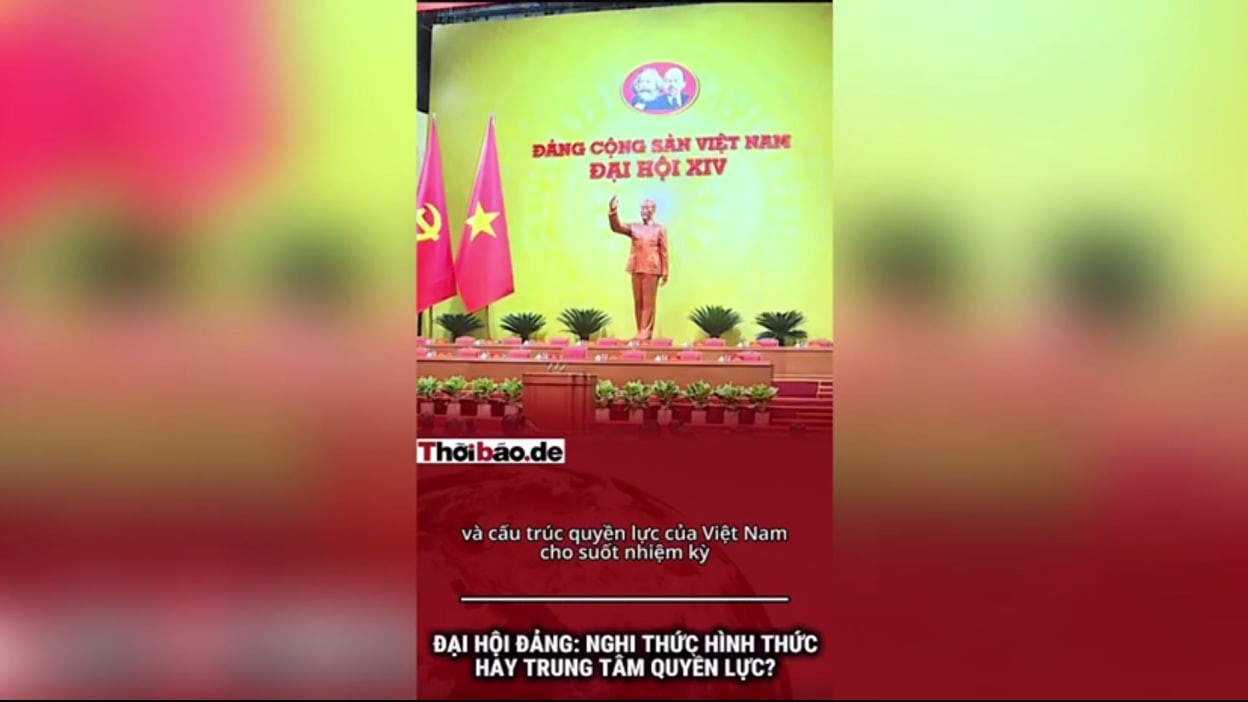
Каждые пять лет, всего за несколько коротких дней, партийный съезд принимает решения, способные сформировать весь политический курс, приоритеты государственной политики и структуру власти Вьетнама на последующий срок. На страницах официальной прессы съезд обычно изображается как событие преимущественно церемониального характера: просторный зал, торжественные знамена и цветы, а также привычные формулировки вроде «сплочённость», «единство», «высокая степень согласия».

Однако за этой оболочкой ритуалов и шаблонного языка партийный съезд в действительности является местом, где окончательно утверждаются ключевые направления, выстраивается соотношение сил и формируются решения, оказывающие наиболее долговременное влияние на политическую и общественную жизнь. То, что происходит на съезде, — это не просто формальное голосование, а итог длительного процесса подготовки, переговоров и предварительных договорённостей.

Именно поэтому, если мы хотим понять, как устроена политическая система Вьетнама, кто на самом деле обладает властью и каким образом она распределяется, то самым логичным отправным пунктом будет ясное понимание того, что такое партийный съезд, какие вопросы он решает и почему решения, принятые за несколько дней, сохраняют свой вес на протяжении многих последующих лет. Возникает вопрос: является ли съезд лишь символическим действием — или же он представляет собой подлинный центр политической власти?

1月22日晚,国内媒体同时公布了第十四届中央委员会200名委员名单,其中包括180名正式委员和20名候补委员。名单比预期更早公开,显示第十四次党代会的人事进程已进入关键阶段,也更清晰地揭示了新一届任期权力结构中的重大动向。

值得注意的是,前总理阮晋勇(Nguyễn Tấn Dũng)的两位儿子——阮清毅(Nguyễn Thanh Nghị)与阮明哲(Nguyễn Minh Triết)——均出现在名单中。阮清毅成为第十四届中央委员会正式委员,而阮明哲则以候补委员身份入列。两兄弟同时出现,再次引发外界对“政治传承”、干部规划以及曾处于高层领导位置的家族政治影响力的诸多讨论。

另一方面,本次名单也带来意外:第十三届“四柱”领导层中的四人里,有两人——总理范明政(Phạm Minh Chính)和国家主席梁强(Lương Cường)——并未出现在第十四届中央委员会名单之中。这一细节立刻引发外界对其可能退位、特殊人事安排,或高层领导班子即将发生重大变化的种种猜测。难道新一届中央正在开启一种不同的权力秩序——既熟悉又陌生的面孔,以及充满暗示意味的“空缺”?

Am Abend des 22. Januar berichteten staatliche Medien, dass Nguyễn Thanh Nghị und Nguyễn Minh Triết, die beiden Söhne des ehemaligen Premierministers Nguyễn Tấn Dũng, beide auf der Liste des Zentralkomitees (ZK) der 14. Amtsperiode stehen. Diese Information zog sofort große öffentliche Aufmerksamkeit auf sich, da es selten vorkommt, dass in derselben Amtszeit zwei leibliche Brüder gleichzeitig im höchsten Führungsgremium der Partei erscheinen.

Nguyễn Thanh Nghị ist derzeit für eine langjährige Laufbahn sowohl auf zentraler als auch auf lokaler Ebene bekannt und hat mehrere wichtige Führungs- und Verwaltungspositionen bekleidet. Nguyễn Minh Triết hingegen gilt als jüngeres Gesicht, das im politischen System schnell vorangekommen ist und als Vertreter der nachrückenden Kadergeneration angesehen wird. Dass beide auf der Liste des neuen ZK stehen, deutet auf eine Anerkennung ihres jeweiligen Werdegangs, ihrer Arbeitserfahrung und ihrer persönlichen Fähigkeiten hin.

Gleichzeitig hat die familiäre Verbindung viele Diskussionen ausgelöst. Handelt es sich dabei schlicht um das Ergebnis eines allgemeinen Planungs- und Auswahlprozesses nach einheitlichen Kriterien – oder spiegelt es einen bemerkenswerten Trend in der Führungsstruktur der kommenden Amtsperiode wider? Wird die gleichzeitige Aufnahme der beiden Söhne eines ehemaligen Premierministers ins Zentralkomitee vor allem symbolische Bedeutung haben – oder eröffnet sie langfristigere Kalkulationen im Personalgefüge der oberen Führungsebene?

The decision to shorten the duration of the 14th Party Congress from six and a half days to five is creating a fast-paced personnel agenda marked by surprises. As early as the third official working day, January 22, the 1,586 delegates could proceed to elect up to 200 members of the 14th-term Central Committee—earlier than originally expected. This also means key leadership options are being finalized more quickly and taking clearer shape.

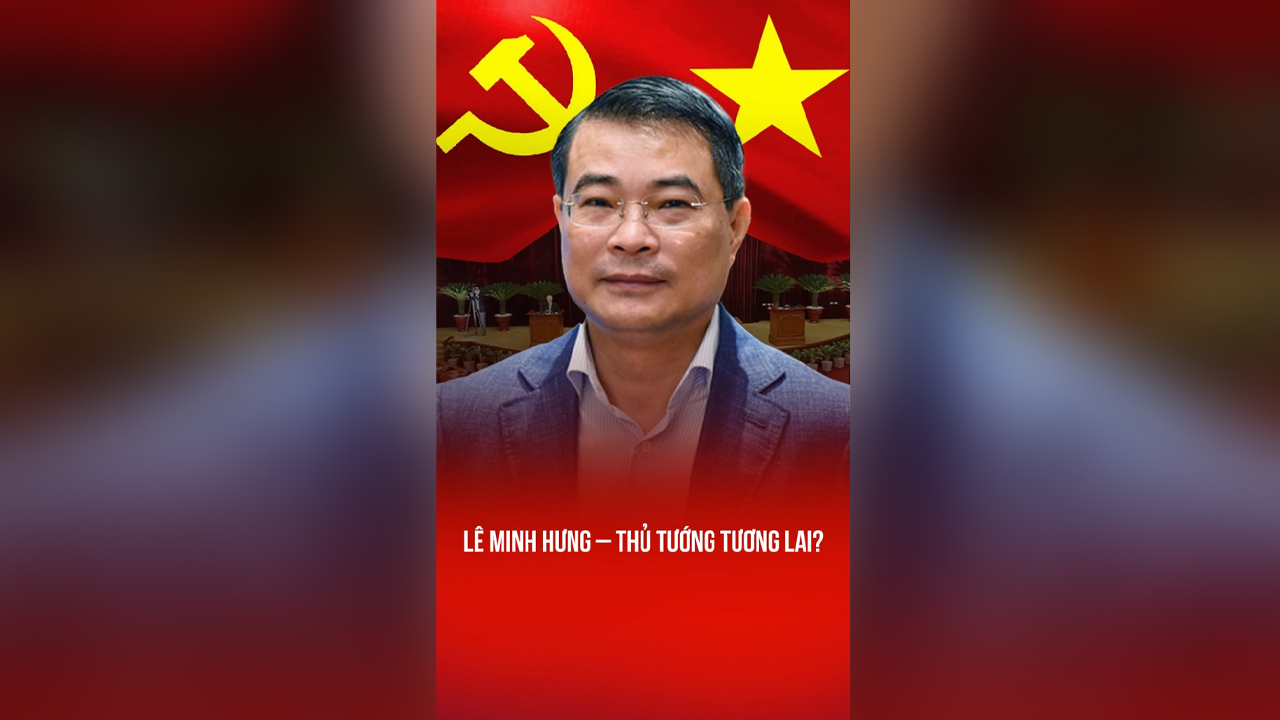
It is expected that many members of the 13th-term Central Committee will be re-elected, among them the standout figure of Lê Minh Hưng, Head of the Party’s Central Organization Commission. With extensive experience ranging from macroeconomic management to cadre and personnel work, Mr. Hưng is seen as having a strong chance of continuing on to the Politburo. More importantly, he is emerging as a potential prime ministerial candidate if Phạm Minh Chính is not re-elected or retires during the next term.

Mr. Lê Minh Hưng’s advantages lie in his deep understanding of the system, a governing style that is cautious yet decisive, and a comparatively “safe” profile at a time when stability is being prioritized above all. Meanwhile, whether Mr. Phạm Minh Chính will continue to be nominated is also expected to be discussed today, making the personnel equation even harder to predict. Is the top job gradually tilting toward the Head of the Central Organization Commission?

Obwohl das Ergebnis des 14. Parteitags der Kommunistischen Partei Vietnams (KPV) offiziell feststeht, haben zwei widersprüchliche Vorgänge aus Ba Đình die sozialen Netzwerke in Aufruhr versetzt. Diese Entwicklungen legen eine mangelnde Konsistenz zwischen Worten und Taten von Generalsekretär Tô Lâm offen.

Das erste Ereignis ist das Referat von Hà Thị Nga – Mitglied des Zentralkomitees der Partei und Generalsekretärin des Zentralkomitees der Vaterländischen Front Vietnams (MTTQ). Darin betonte sie die Notwendigkeit, das Leitprinzip „Das Volk weiß, das Volk diskutiert, das Volk handelt, das Volk kontrolliert“ zu institutionalisieren.

Diese Aussage wirkt jedoch höchst problematisch, wenn man sie der Einstufung von Informationen über hochrangige Personalentscheidungen als „streng geheim“ gegenüberstellt. Gerade diese Personalfragen gelten als Kernpunkt, der über das Schicksal des Landes auf dem 14. Parteitag mitentscheidet, werden jedoch faktisch als Tabuzone behandelt.

Während die MTTQ die Bevölkerung dazu aufruft, ihre Souveränität und Mitbestimmung zu entfalten, geht ausgerechnet das Ministerium für öffentliche Sicherheit gegen Bürger vor, die in sozialen Netzwerken darüber diskutieren oder Inhalte teilen. Das macht einen gravierenden Widerspruch sichtbar.

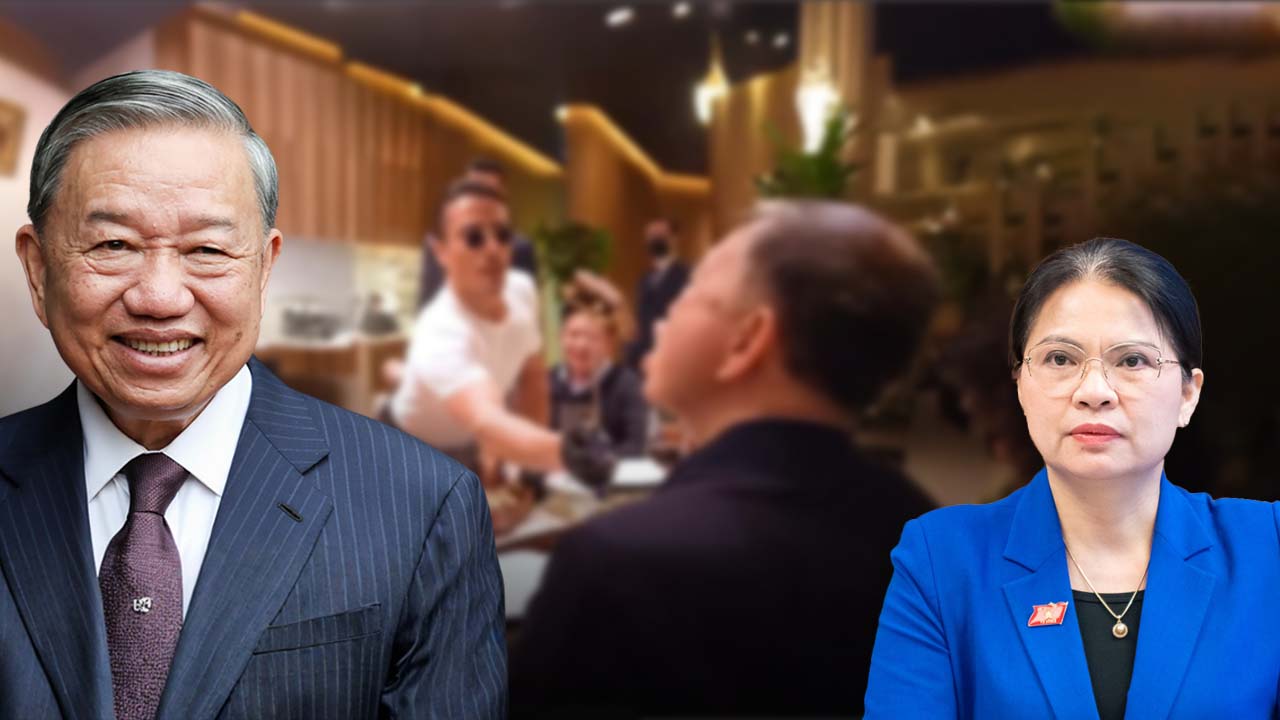
Das zweite Ereignis – und zugleich der größere Schock für die öffentliche Meinung – geht direkt auf eine Äußerung von Generalsekretär Tô Lâm zurück. Auf dem Parteitagsforum mahnte er die Parteiführung, sie „müsse sich schämen, solange die Menschen noch in Not und Armut leben“.

Diese Erklärung rief unbeabsichtigt den Skandal um das „goldüberzogene Steak“ in London Ende 2021 wieder ins Gedächtnis. Damals, als Tô Lâm noch Innenminister (Minister für öffentliche Sicherheit) war, soll er ein luxuriöses Essen genossen haben – zu einem Zeitpunkt, als viele Vietnamesinnen und Vietnamesen inmitten der COVID-19-Pandemie extreme Härten ertragen mussten.

In den vietnamesischen sozialen Netzwerken folgte eine Welle spöttischer Kommentare. Viele meinten, der moralische Maßstab, den der Generalsekretär predige, stehe in völligem Gegensatz zu seinem tatsächlichen Lebensstil.

Mit seiner Aussage rief Tô Lâm gerade das hervor, wofür man sich „schämen“ müsse – als hätte er sich selbst entblößt und damit eine entscheidende Schwachstelle seiner Glaubwürdigkeit offengelegt. Das trübt nicht nur die Reformbotschaft, sondern verstärkt auch Zweifel an seiner Moral und persönlichen Integrität – und damit an seiner Unterstützung innerhalb der Partei.

Hồng Lĩnh – Thoibao.de

On the afternoon of January 23, 2026, the 14th National Congress of the Communist Party of Vietnam (CPV) will conclude a day and a half earlier than originally scheduled, instead of ending on January 25, 2026.
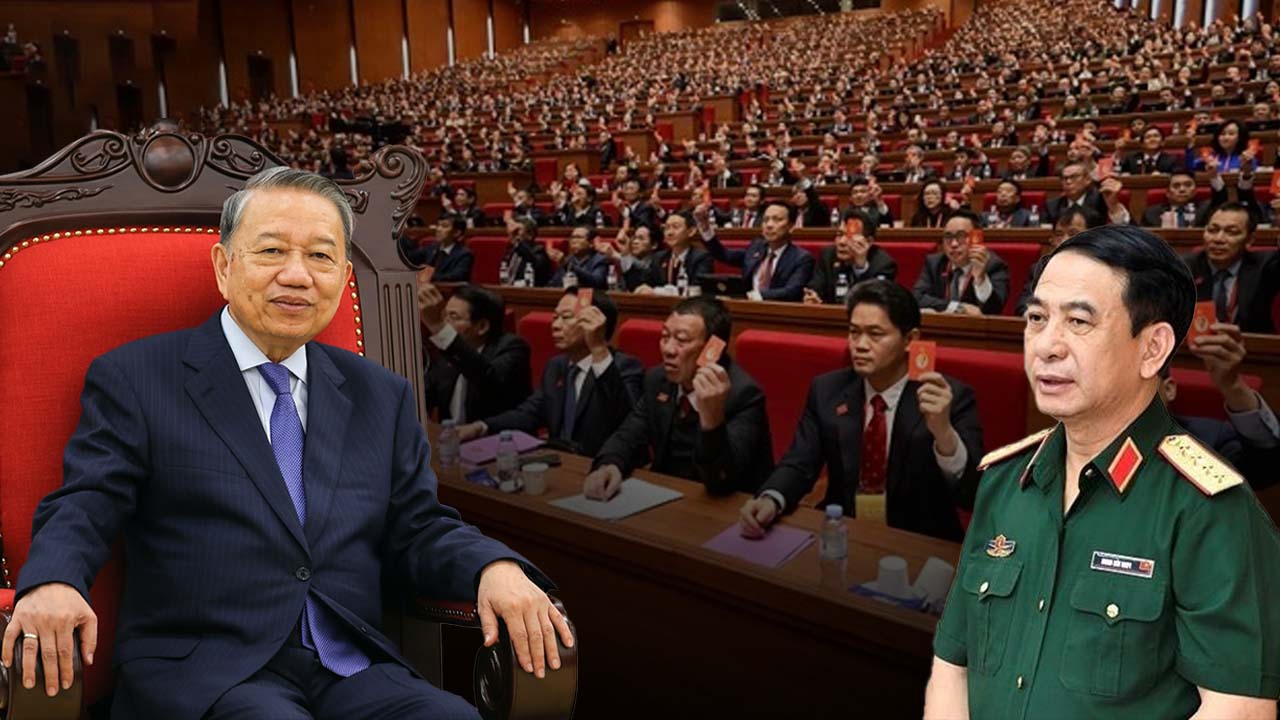
State media has praised the shortened timeline as a sign of “lightning-fast, innovative, and efficient” work spirit. Yet, in the eyes of international political observers, this move carries a far deeper—and far harsher—meaning.

Bringing one of the country’s most important political events to a swift close—an event that determines Vietnam’s trajectory for the next five years—is a signal that the power game in Ba Đình has already been fully settled.

And the high-level personnel script directed and arranged by General Secretary Tô Lâm appears to have left no room for any resistance or unexpected variables, despite widespread speculation.

According to observers, the discussion period at a Party Congress normally provides the necessary space for factions to engage in last-minute lobbying or to resolve disagreements that have not yet been reconciled.

However, the fact that the 14th Congress has “skipped stages”—ending as much as 36 hours early—is the clearest evidence that “absolute consensus,” whether voluntary or imposed, is something Tô Lâm has managed to secure.

Because if fierce disputes or a tug-of-war between the two blocs—the Ministry of Public Security and the military—over the “four pillars,” the Politburo list, and other key arrangements were still unresolved, Tô Lâm would not dare to take the risk of cutting the schedule short while still needing time to extinguish a crisis.

Therefore, the early closing of the 14th Congress confirms that the list of top-level appointments had been locked in beforehand, and the 1,600 delegates in attendance became those who merely formalized procedures for a new power order that had already been decided.

This is an extremely bold decision by General Secretary Tô Lâm—a leader who rose from the ranks of security and intelligence, seasoned in political control—choosing to shorten the timetable to minimize risk.

In politics, time is always the most unpredictable variable: “long nights breed many dreams,” and shortening the working time of the Congress reduces the danger of adverse, dissenting opinions emerging. For example, spontaneous “supplementary nominations” intended to sabotage proceedings could have worked against Tô Lâm.

By accelerating the process and ending early, Tô Lâm carried out a swift preemptive political strike aimed at eliminating any pockets of resistance from opposing forces still trying to reverse the situation. At the same time, he sent a message of decisive leadership, comprehensive control, and zero tolerance for divergence.

Notably, this speed comes in a context where Tô Lâm has not yet moved to amend the Party Charter to formally institutionalize a system in which the General Secretary concurrently serves as State President, following China’s model.

This is seen as a calculated compromise between the security bloc and the military. The General Secretary has accepted stepping back “one step to move forward two steps,” in order to avoid resistance from conservative elements and the military—while still maintaining absolute control over a predetermined personnel structure.

The early adjournment also suggests that the military faction—often regarded as the strongest counterweight—has seemingly accepted its position in the new power architecture and chosen what it sees as the safest option: silent compliance with the script to avoid disruption.

The 14th Congress thus ends in a silence marked by order and discipline, ushering in an unprecedented era of centralized power, one in which the will of General Secretary Tô Lâm dominates Vietnam’s political arena.

The early conclusion of the 14th Party Congress, in effect, signals that Tô Lâm has officially declared: the game is over, and power now sits firmly in the hands of the General Secretary and his public security faction.

Trà My – Thoibao.de

Thông cáo báo chí:
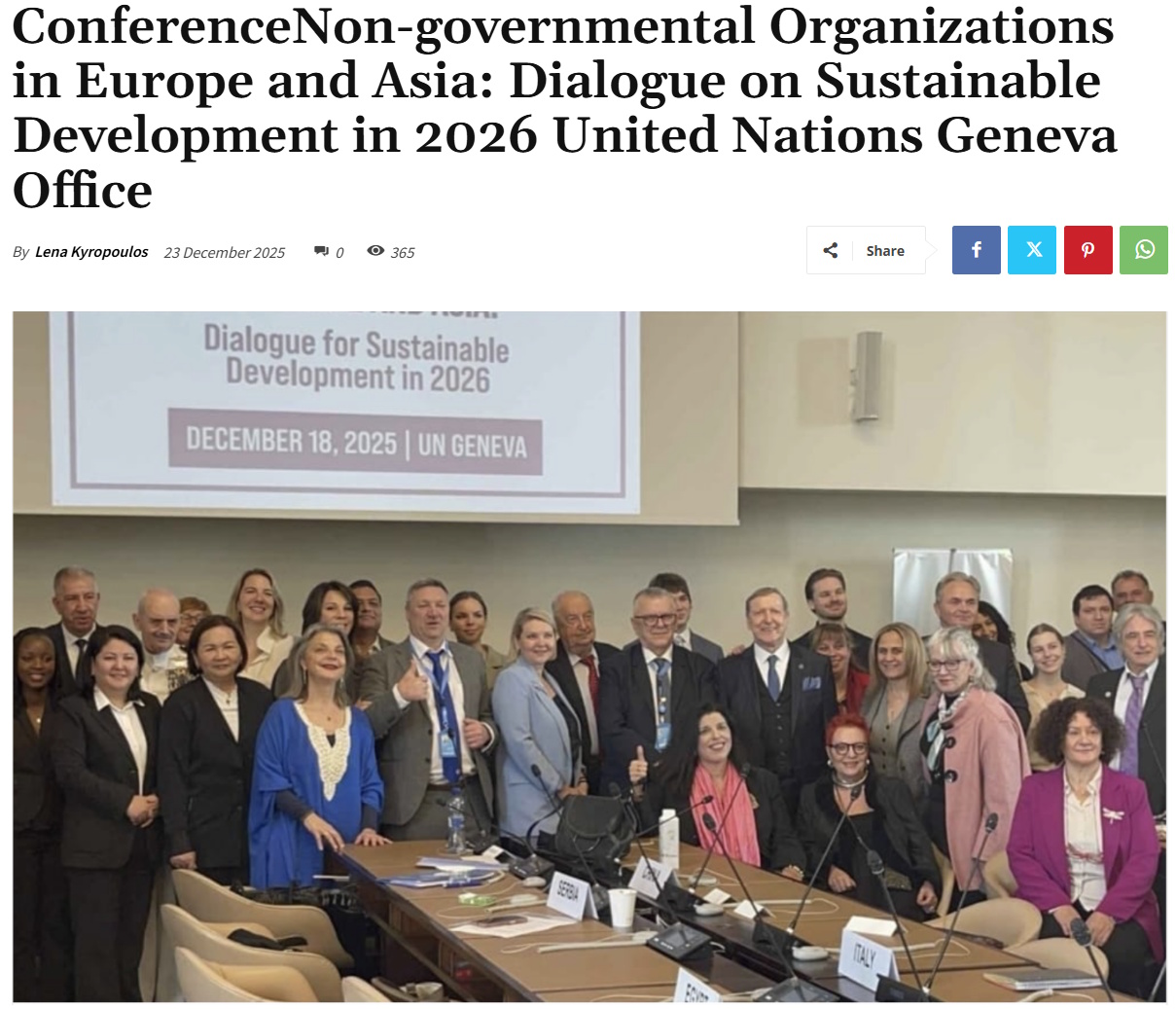
Vào ngày 18 tháng 12 năm 2025, hội nghị “Các tổ chức phi chính phủ của châu Âu và châu Á”: Đối thoại về phát triển bền vững năm 2026” đã được tổ chức tại Trụ sở Liên hợp quốc tại châu Âu ở Geneva, Thụy Sĩ.

Hội nghị được khởi xướng và tài trợ bởi Quỹ Anh em nhà Karic, đứng đầu là Bogolyub Karic, một doanh nhân nổi tiếng người Serbia và là Chủ tịch Ủy ban Quốc tế Nikola Tesla của Diễn đàn Triết học Thế giới.

Các đơn vị tổ chức hội nghị, cùng với Liên Hợp Quốc, là các tổ chức có tư cách thành viên của Hội đồng Kinh tế và Tư vấn của Liên Hợp Quốc:

  • Hiệp hội quốc tế các tổ chức hòa bình, Serbia
  • Viện Nghiên cứu Trung Đông và Balkan Quốc tế, Slovenia.
    Hội nghị đã quy tụ các đại biểu đến từ 118 quốc gia thảo luận về tầm nhìn của họ đối với sự phát triển bền vững của thế giới trong năm tới.
    Văn phòng Liên Hợp Quốc tại Geneva đã tổ chức, thông qua các kênh Zoom và YouTube, buổi phát sóng trực tiếp mở các câu hỏi của đại biểu tham dự hội nghị gửi đến Tổng thống Mỹ Donald Trump, nhà lãnh đạo công nghệ và nhà sáng tạo người Mỹ Elon Musk và nhà từ thiện người Serbia Bogolyub Karic.
    Hội nghị đã thông qua một số Nghị quyết do Liên Hợp Quốc và các nhà lãnh đạo của các quốc gia hàng đầu đề xuất.
  • Nghị quyết về Ngày tưởng niệm quốc tế Nikola Tesla;
  • Nghị quyết về Học viện Trí tuệ Nhân tạo BK Tesla;
  • Nghị quyết về việc chống lại tin giả bằng cách sử dụng trí tuệ nhân tạo trong báo chí;
  • Nghị quyết về sự thích nghi liên văn hóa của người di cư bằng cách sử dụng trí tuệ nhân tạo.
    Các phiên thảo luận và bàn tròn của hội nghị được điều phối bởi đại diện của các tổ chức đối tác thuộc nhiều chương trình khác nhau của Liên Hợp Quốc: Quỹ Anh em Karich, Diễn đàn Triết học Thế giới, Viện Truyền thông Châu Âu, Hiệp hội Nhà báo Châu Âu, Liên minh Đại kết Delphic.
    Ủy ban Tổ chức Hội nghị Geneva của Liên Hợp Quốc.

Lena Kyropoulos

Link: https://aej.org/conferencenon-governmental-organizations-in-europe-and-asia-dialogue-on-sustainable-development-in-2026-united-nations-geneva-office/