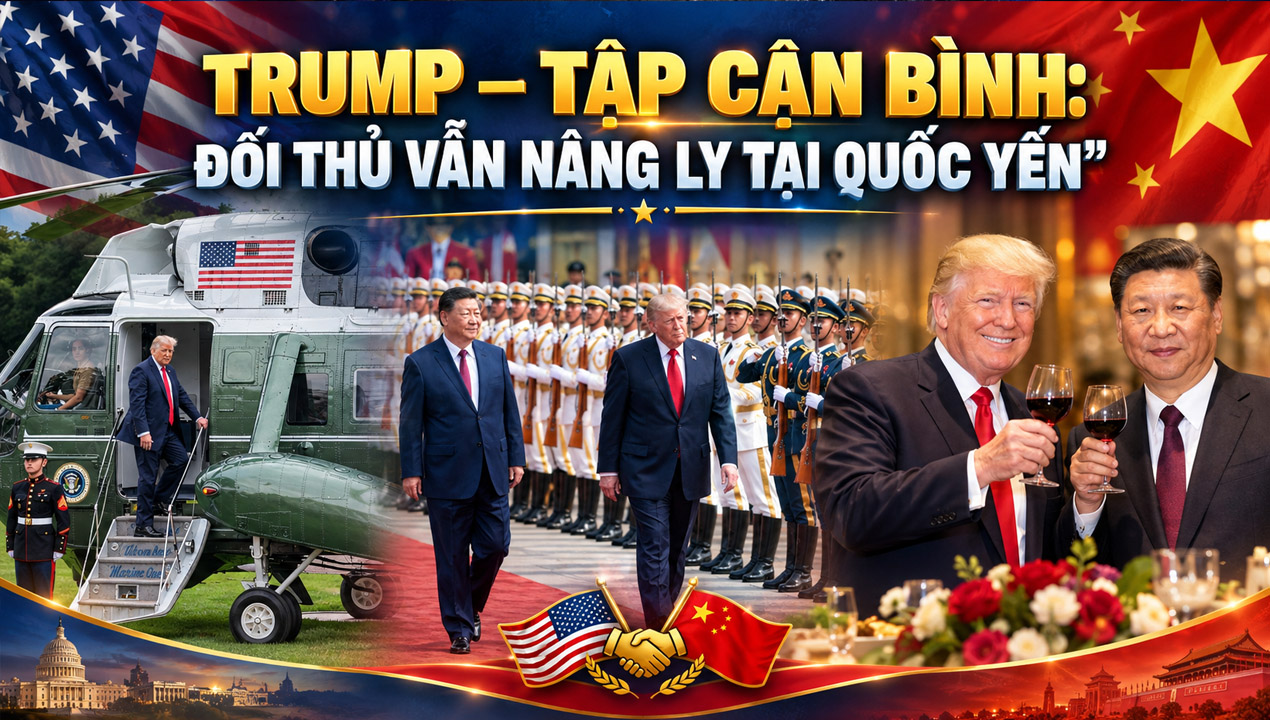
« Adversaires », mais qualifiés de « messieurs formidables », puis invités à un souper d’État à la Maison-Blanche — les relations diplomatiques entre les États-Unis et la Chine semblent entrer dans une phase très remarquable. Le président Donald Trump a annoncé qu’il présiderait un souper d’État le 24 septembre pour accueillir le président chinois Xi Jinping, alors que les deux pays restent en désaccord sur toute une série de questions liées au commerce, à la technologie et à la stratégie.

Ce qui est intéressant, c’est la façon dont M. Trump décrit cet invité de marque. D’un côté, un « rival »; de l’autre, une « très bonne relation ». À première vue, cela semble contradictoire, mais en diplomatie de haut niveau, ce n’est sans doute pas si surprenant : aujourd’hui, on impose des taxes; demain, on lève son verre; le matin, on se dispute vivement; le soir, on s’assoit à la table du souper. La politique internationale ressemble parfois à un souper somptueux — l’entrée, ce sont les compliments; le plat principal, ce sont les intérêts; et c’est l’addition finale qui importe vraiment.

La présence de Mme Peng Liyuan a d’autant plus conféré à cette visite un caractère clairement protocolaire. Mais au-delà des belles paroles de courtoisie, la question essentielle reste celle de la table des négociations : que souhaitent réellement régler les deux parties? Quels intérêts commerciaux Washington cherche-t-il à obtenir, et que souhaite obtenir Pékin? Car lorsque deux adversaires se retrouvent sous les feux des projecteurs d’un souper d’État, ce qui retient le plus l’attention n’est sans doute pas le menu, mais les intérêts mis sur la table après les toasts.

https://www.facebook.com/share/p/1crnENTqCT/

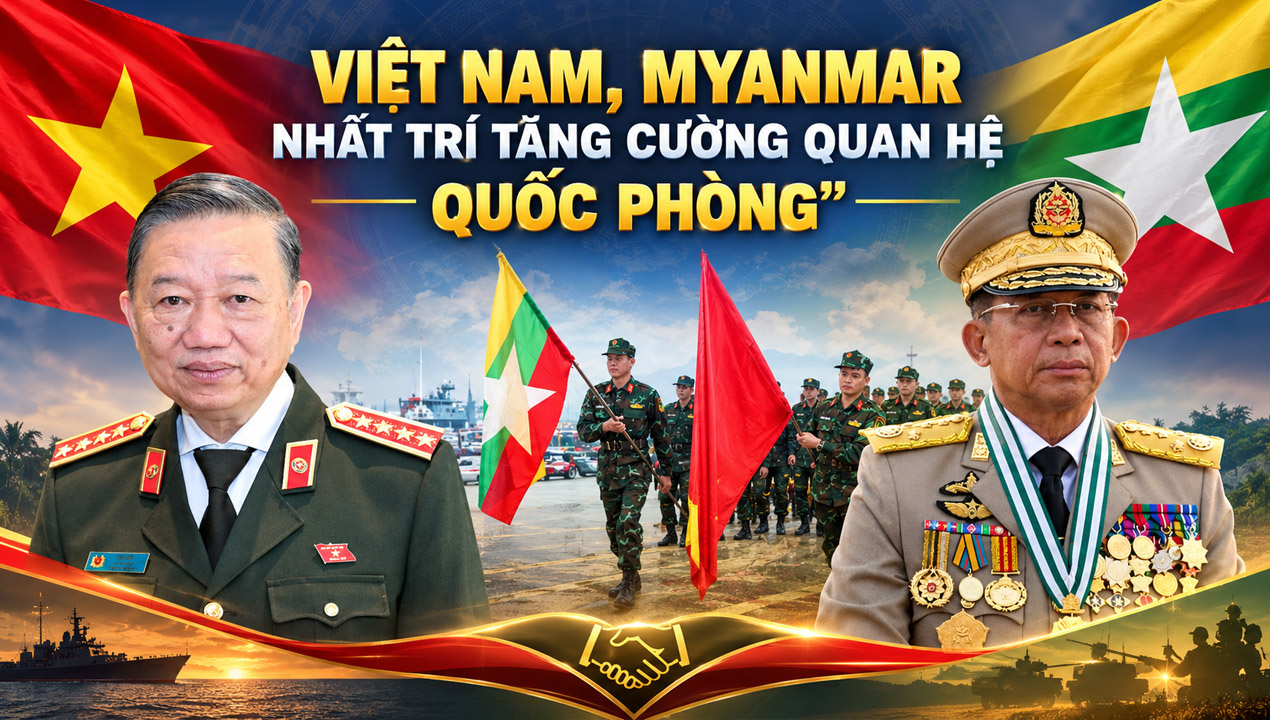
9월 5일, 베트남과 미얀마는 젊은 장교들의 교육 및 교류부터 구조 활동, 초국적 범죄 방지, 정보 공유에 이르기까지 국방 및 안보 협력을 지속적으로 강화하기로 합의했다. 외교적 차원에서 볼 때, 이는 양국 간의 협력 필요성으로 충분히 설명될 수 있는 내용들이다. 하지만 민 아웅 흘라잉의 이번 방문은 더 어려운 질문을 던진다. 협력이 핵심 축으로 자리 잡게 될 때, 베트남은 전략적 이익과 미얀마를 둘러싼 국제적 논쟁 사이에서 어떻게 균형을 잡을 것인가?

이번 방문은 국가 차원의 환영식과 비엣텔(Viettel), 빈패스트(VinFast)에서의 행사 등 성대하게 치러졌다. 베트남 측은 정치적 신뢰, 안정, 협력을 강조한 반면, 국제 언론은 민 아웅 흘라잉이 2021년 쿠데타 이후 여전히 논란의 인물이며 미얀마가 계속해서 정치적 위기에 직면해 있다는 점을 지적했다. 따라서 논의해야 할 점은 단순히 “성대하게 맞이했는지 여부”가 아니라, 이러한 외교 방문을 통해 어떤 메시지가 전달되고 있는가 하는 것이다.

외교는 본래 친구와 구호만으로 이루어지는 것이 아니라, 이익과 원칙, 그리고 국제적 이미지가 얽힌 복잡한 문제다. 베트남은 양자 관계와 안보 협력을 추구할 권리가 있지만, 여론은 그러한 합의의 한계, 목표, 책임에 대해 의문을 제기할 완전한 권리가 있다. 협력 강화는 전략적 선택일 수 있지만, 그 선택이 얼마나 투명하게 설명되느냐에 따라 대중이 이를 평범한 외교적 조치로 볼지, 아니면 주목할 만한 정치적 메시지로 볼지가 결정된다.

https://www.facebook.com/share/p/1DWBVnq2UQ/

 
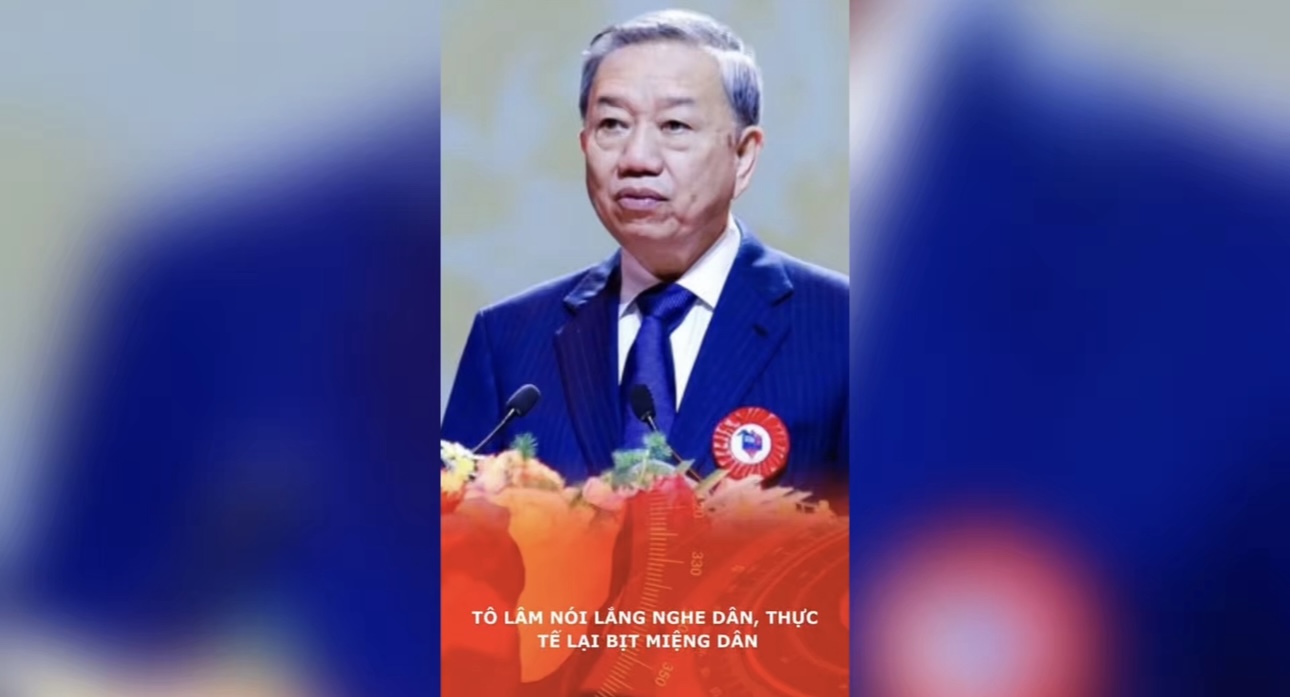
เช้าวันที่ 3 กันยายน 2026 นายโท ลัม ได้เน้นย้ำว่าสื่อสังคมออนไลน์ต้องถูกมองเป็นช่องทางในการรับฟังเสียงประชาชน โดยต้องแยกแยะระหว่างความกังวลและคำวิจารณ์เชิงสร้างสรรค์ด้านหนึ่ง กับข่าวปลอม การบิดเบือนข้อมูล และโดยเฉพาะอย่างยิ่ง “ไม่เพิกเฉยต่อความคิดเห็นที่แตกต่าง” อีกด้านหนึ่ง
บนผิวเผิน นี่เป็นหลักการที่ควรค่าแก่การจดจำอย่างชัดเจน: เพื่อให้สังคมก้าวหน้า ต้องมีผู้ที่ตั้งคำถาม ผู้ที่ท้าทายสถานะเดิม และแม้กระทั่งเสียงที่แสดงความคิดเห็นต่างออกไป อย่างไรก็ตาม ประเด็นนี้เองก็ก่อให้เกิดคำถามที่หลีกเลี่ยงได้ยาก: หากเราจะรับฟังความคิดเห็นที่แตกต่าง แล้วเส้นแบ่งระหว่างการวิพากษ์วิจารณ์ที่ชอบธรรมกับ “การละเมิด” นั้นถูกกำหนดไว้อย่างไร?

Screenshot

ผู้คนไม่ได้เข้าอินเทอร์เน็ตเพียงเพื่อแสดงความชื่นชมเท่านั้น แต่ยังตั้งคำถามเกี่ยวกับเรื่องที่พวกเขาเห็นว่าไม่สมเหตุสมผล เล่าประสบการณ์ส่วนตัว และเรียกร้องคำอธิบายจากหน่วยงานที่เกี่ยวข้องด้วย ปัญหาอยู่ที่จุดนี้: ใครจะเป็นผู้ตัดสินว่าความคิดเห็นนั้นเป็นคำวิจารณ์ที่ชอบธรรม หรือเป็น ‘ข่าวปลอม’ ‘การบิดเบือน’ หรือ ‘การบิดเบือนข้อมูล’? หากเกณฑ์การตัดสินไม่ชัดเจน คำถามที่ยากอาจถูกมองในมุมมองที่ต่างกันโดยสิ้นเชิง ขึ้นอยู่กับผู้รับ ในกรณีเช่นนี้ สโลแกน ‘การรับฟัง’ อาจกลายเป็นไมโครโฟนที่ทำงานได้ถูกต้องก็ต่อเมื่อเสียงถูกส่งไปในทิศทางที่ถูกต้องเท่านั้น
ดังนั้น สิ่งที่ประชาชนต้องการไม่ใช่เพียงคำสัญญาที่ฟังดูดีว่าจะรับฟัง แต่เป็นกลไกที่พิสูจน์ได้ว่าเสียงของพวกเขาได้รับการรับฟังอย่างแท้จริง: เกณฑ์ที่โปร่งใส การตัดสินใจบนพื้นฐานของหลักฐาน และสิทธิในการแสดงความเห็นต่างโดยไม่ถูกตีความว่าเป็นข้อมูลเท็จ เพราะสังคมที่แข็งแรงไม่ใช่สังคมที่ทุกคนพูดด้วยเสียงเดียว แต่เป็นสังคมที่ความเห็นต่างสามารถถูกแยกแยะได้ด้วยหลักฐาน ไม่ใช่ด้วยป้ายกำกับ
การกล่าวว่า ‘อย่าทำการสรุปแบบกว้างๆ’ นั้นทำได้ง่ายมาก แต่คำถามที่สำคัญกว่าคือ: เมื่อประชาชนแสดงมุมมองที่แตกต่าง หลักการนั้นจะถูกนำไปใช้ในระดับใด?
https://www.facebook.com/share/v/1GFCQ6rFNF/


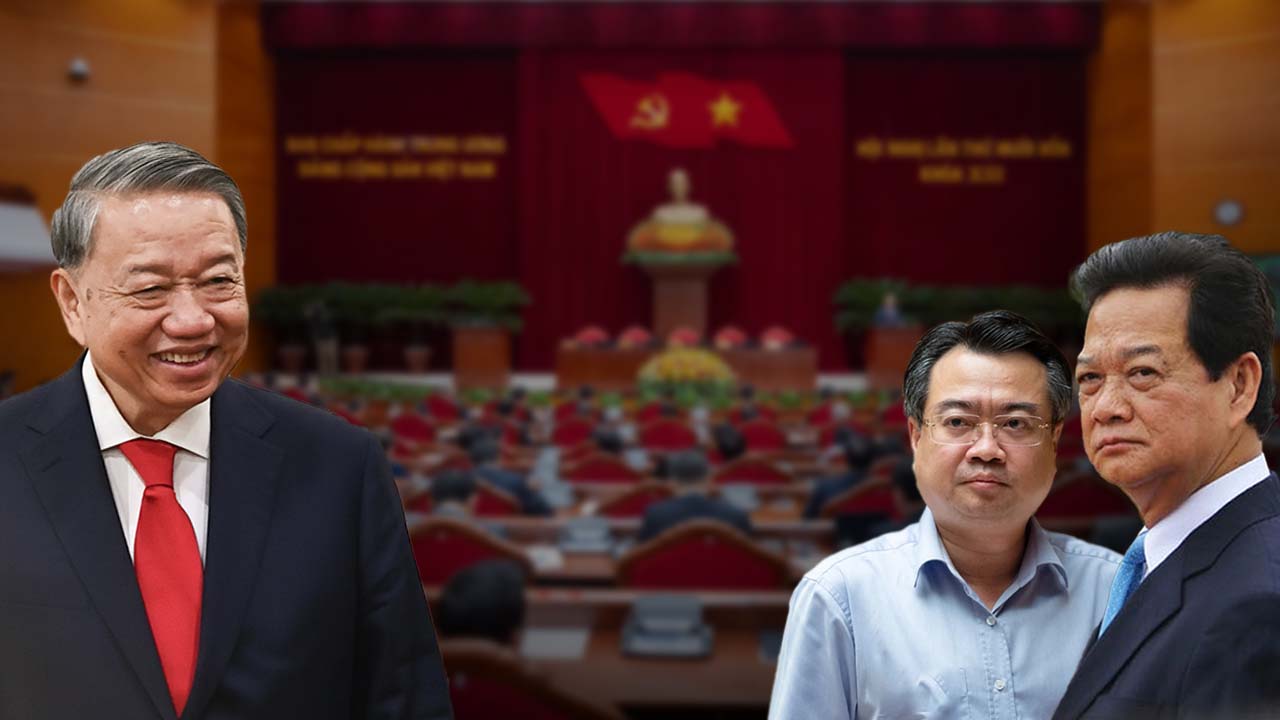
Am 3. September 2026 stellte Nguyễn Thanh Nghị, Leiter des Zentralkomitees für Politik und Strategie, die Resolution Nr. 27 zur Entwicklung der Regionen und zur Gestaltung des nationalen Entwicklungsraums vor.

Demnach wurde als langfristiges Ziel festgelegt, dass Vietnam bis zum Jahr 2045 mindestens fünf Städte von internationalem Rang errichten wird, die als Knotenpunkte für die regionale und globale Vernetzung dienen sollen, wobei Hanoi und Ho-Chi-Minh-Stadt weiterhin die beiden zentralen Wachstumspole bilden werden.

Das Jahr 2045 fällt mit dem 100. Jahrestag der Staatsgründung zusammen und ist zugleich der Meilenstein, an dem Generalsekretär und Staatspräsident To Lam bekräftigte, dass Vietnam den Übergang zum Sozialismus abschließen und zu einem Land mit hohem Einkommen werden werde.


Zuvor hatte Ende Juli 2026 ebenfalls Herr Nguyen Thanh Nghi – der Sohn des ehemaligen Premierministers Ba Dung – die Aufmerksamkeit der Öffentlichkeit auf sich gezogen, als er einen Entwicklungshorizont bis zum Jahr 2130 vorstellte, zu dem Vietnam ein hochentwickeltes sozialistisches Land werden soll.

Diese „langfristigen“ Pläne stießen in der Öffentlichkeit auf heftige Kritik, da Herr Nghi zu weit von der Realität entfernt sei und immer wieder Ziele vorlege, die als völlig unrealistisch gelten.


Vor dem Hintergrund, dass die derzeitige städtische Infrastruktur in Hanoi oder Ho-Chi-Minh-Stadt nach wie vor mit der Gefahr von Überlastung, Überschwemmungen und schweren Verkehrsstaus konfrontiert ist, haben nicht wenige Menschen Zweifel an der Realisierbarkeit dieser Pläne geäußert.

Die Tatsache, dass Herr Nguyen Thanh Nghi in einer Schlüsselposition steht und regelmäßig realitätsferne politische Konzepte vorbringt, hat zu zahlreichen kritischen Stimmen geführt, die immer wieder auf die Kontroversen rund um das „zerstörte wirtschaftliche Erbe“ aus der Amtszeit von Nguyen Tan Dung verweisen.


Viele Stimmen äußern offen die Ansicht, dass die größte Herausforderung der derzeitigen Regierung nicht darin besteht, strahlende, rosarote Zukunftsvisionen zu entwerfen, die über ein Jahrhundert hinausreichen.

Vielmehr sind Durchsetzungsfähigkeit und Transparenz erforderlich, um sicherzustellen, dass diese Ziele nicht nur bei Erklärungen bleiben, die darauf abzielen, die Bevölkerung zu täuschen.

Hong Linh – Thoibao.de

The complex developments surrounding internal conflicts within the political system of the Communist Party of Vietnam are revealing a deeply concerning ideological rift.
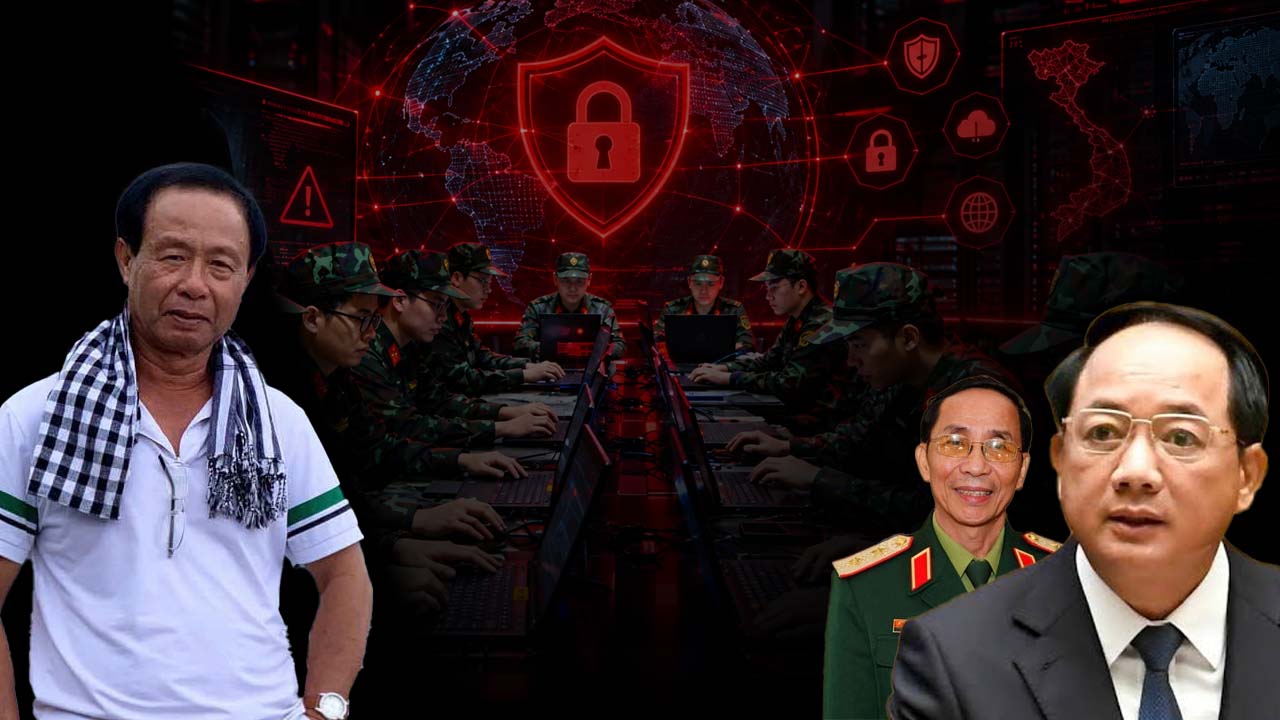
In a recent incident, VTV1’s “Face-to-Face” program aired an episode but hastily edited out content opposing the so-called “rewriting of history,” in which two military generals publicly condemned the Institute of History’s decision to remove the phrase “puppet army, puppet regime.”

This incident has exposed a fierce clash between the conservative faction—the “Public Opinion Officers,” who are backed by the General Political Department of the Ministry of Defense—and the reformist faction within the Party.

According to Thoibao.de’s investigation, the root cause of this latest upheaval began when the National Television Station aired the opinions of Lieutenant General Nguyen Thanh Tuan and Major General Hoang Kien.


Both generals criticized the 15-volume “History of Vietnam” series for replacing derogatory terms with “the Saigon regime,” viewing this as a manifestation of ideological evolution and “peaceful evolution.”


However, VTV1’s hasty decision to remove the content regarding these remarks shortly afterward inadvertently acknowledged a lack of unity within the Party on political and ideological grounds.


This hesitation put the “conservative” faction—led by the Army’s General Political Department and supported by online commentators—on the defensive, forcing them to demand an official response from those in charge.

According to historical experts, in reality, VTV1’s reaction was not a random decision. As early as December 2017, the Central Propaganda Commission had established a review board for the aforementioned history textbook series, which included representatives from the Propaganda Department under the Ministry of Defense.

The official conclusion affirmed that the change in terminology did not violate any professional, political, or ideological standards, and this report was submitted to the Secretariat and approved.


In fact, even in publications by the People’s Army Publishing House or the National Political Publishing House “Truth”—both under the direction of the Ministry of Defense—the use of the term “Saigon regime” has long been in place.

This contradiction creates an extremely serious political disagreement: If the accusations of “rewriting history” made by former military generals are correct, then the leadership of the Ministry of Defense and the Central Propaganda Commission have been making mistakes for many years.


Moreover, the criticism by some former generals of the statement “Vietnam has several thousand years of history” amounts to a rebuttal of the very first lines of the Preamble to the 2013 Constitution.


This nitpicking over wording suggests that the “conservative” faction within the Party appears to be granting itself the authority to stand above the Central Committee’s supreme legal documents and seeks to challenge Mr. To Lam as well as the reformist faction.

The fact that, in recent times, social media accounts associated with the conservative faction—such as Phan Trung Can’s—have continuously exerted pressure, demanding that the General Political Department intervene and find a solution to end the issue, is a highly risky move.


This incident exposes a highly dangerous reality: the “Public Opinion Officers—AK47” force, originally established to defend the official line, has now turned to publicly questioning and demanding a reevaluation of even the “national reconciliation” policies that General Secretary To Lam is pursuing.

This conflict and the state media’s flustered response show that the reformist faction is facing a conservative faction that is resolutely refusing to back down.

According to international observers, even following the “Chuyện với Thanh” incident and at the National Party Congress on September 3, 2026, the reformist faction is believed to have gained the upper hand over the conservative faction.

However, given the fierce reactions from the “Public Opinion Officers—AK47” group led by the Army’s General Political Department, as described above, Mr. To Lam must exercise the utmost caution.

Tra My – Thoibao.de

 

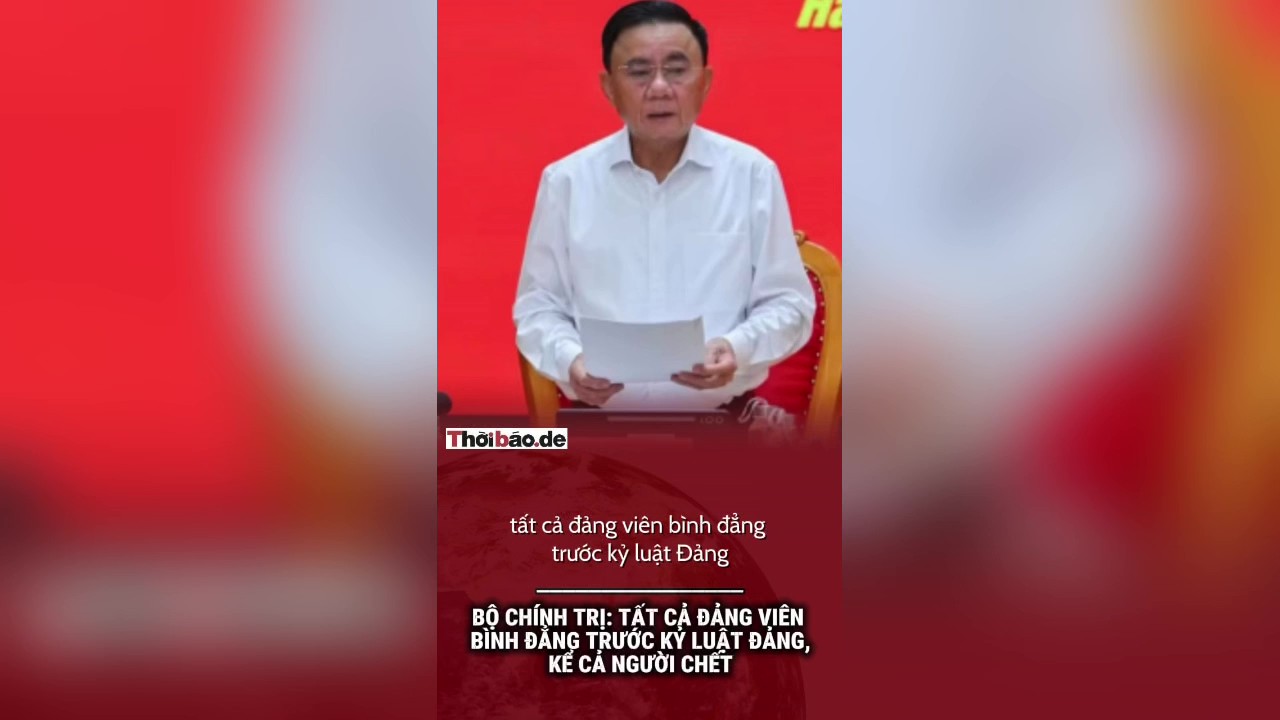
La Norma 212-QĐ/TW, firmada el 17 de agosto de 2026 por el miembro permanente del Secretariado, Trần Cẩm Tú, establece un principio muy firme: todas las organizaciones del Partido y todos los miembros del Partido son iguales ante la disciplina del Partido. Cabe destacar que el ámbito de aplicación incluye incluso a los miembros del Partido fallecidos si han cometido infracciones especialmente graves.

Al oír esto, no son pocos los que pueden quedarse perplejos: ¿ya han fallecido y aún no se ha puesto fin a su responsabilidad? Pero lo destacable no radica en el «dramatismo» de la cuestión de los fallecidos, sino en el mensaje sobre la responsabilidad ante infracciones especialmente graves. La normativa también exige que la sanción se base en la naturaleza, la gravedad, las consecuencias, las causas y las circunstancias relevantes, y no que se aplique un mismo nivel de sanción por cualquier infracción.

En particular, la nueva normativa sustituye a la Normativa 69-QĐ/TW de 2022 y a la Normativa 264-QĐ/TW de 2025, lo que pone de manifiesto que el sistema disciplinario se está ampliando y concretando cada vez más. La gran pregunta es, por tanto: si se hace hincapié en el principio de «igualdad ante la disciplina», ¿hasta qué punto se aplicará de manera coherente en la práctica? Y es que una normativa estricta solo tiene verdadero peso cuando su aplicación es transparente, justa y sin excepciones en función del cargo o la influencia del infractor.

https://www.facebook.com/share/p/1BiLKiJTST/

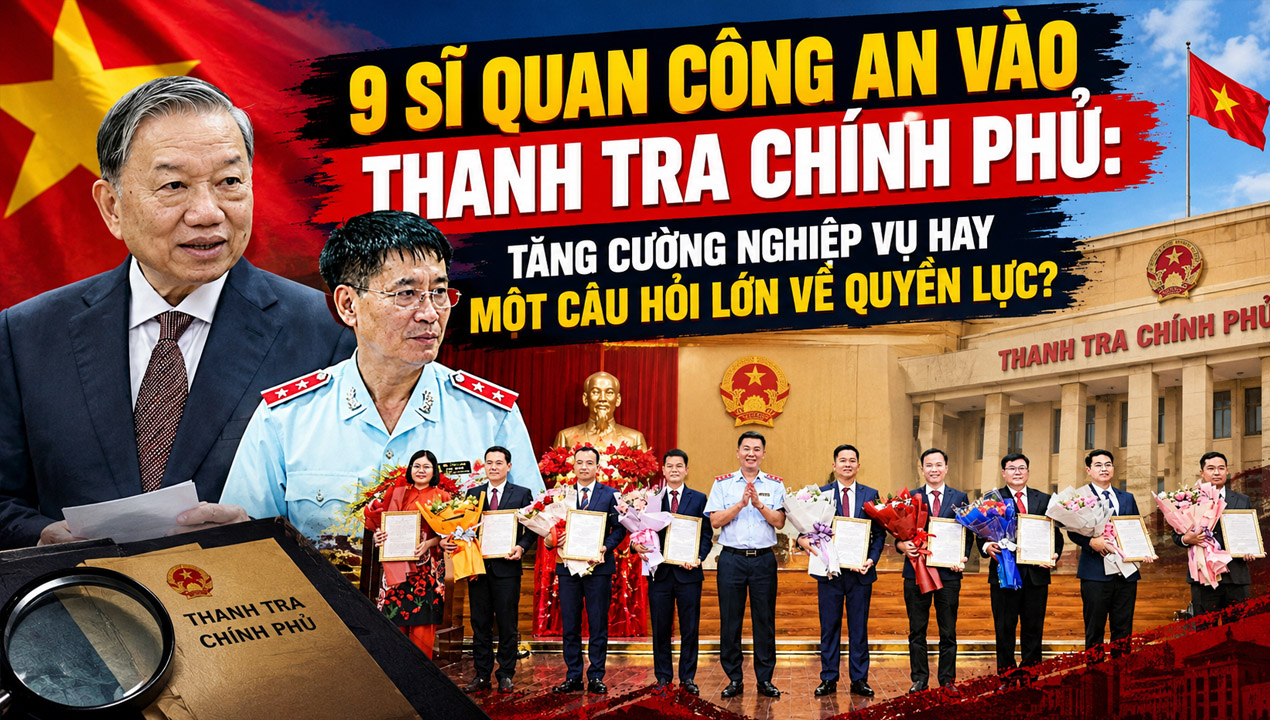
Le 3 septembre 2026, l’Inspection générale du gouvernement a annoncé l’arrivée de 9 officiers de la Police populaire détachés. Parmi eux, 8 officiers ont été affectés pour une durée de 6 mois afin de conseiller le Comité directeur 236. Ce n’est pas la première fois : depuis le mois de mai, cet organisme a déjà accueilli 7 officiers supplémentaires, dont le colonel Tô Quang Minh, nommé secrétaire de l’Inspecteur général du gouvernement.

Sur le papier, la raison invoquée est tout à fait louable : renforcer les effectifs, améliorer les compétences techniques et favoriser la coordination entre le travail de la police et celui de l’inspection. Mais à la vue des chiffres, une question s’impose naturellement : pourquoi la police est-elle de plus en plus présente au sein d’un organisme dont la fonction est précisément d’inspecter, de contrôler et de traiter les infractions ? L’appareil d’inspection manque-t-il à ce point de personnel qu’il faille sans cesse y intégrer des officiers issus de la police, ou s’agit-il simplement d’un nouveau modèle de coordination ? L’Inspection générale du gouvernement estime elle-même que ces deux domaines présentent de nombreux points communs, notamment en matière de lutte contre la corruption et de traitement des infractions.

Il ne faut donc pas en conclure que la simple présence d’officiers détachés implique automatiquement une « infiltration ». Le problème réside dans la transparence : quels sont leurs pouvoirs, sous quelle autorité relèvent-ils et comment le mécanisme de contrôle indépendant est-il garanti ? Alors que de plus en plus de postes au sein de différentes administrations impliquent la participation des forces de police, le public est tout à fait en droit de s’interroger sur la frontière entre la coopération opérationnelle et l’extension de l’influence. Plus le pouvoir est grand, plus l’obligation de rendre des comptes doit être claire — sinon, la question dépassera même le chiffre 9.

https://www.facebook.com/share/p/1JzZ4ANz1L/

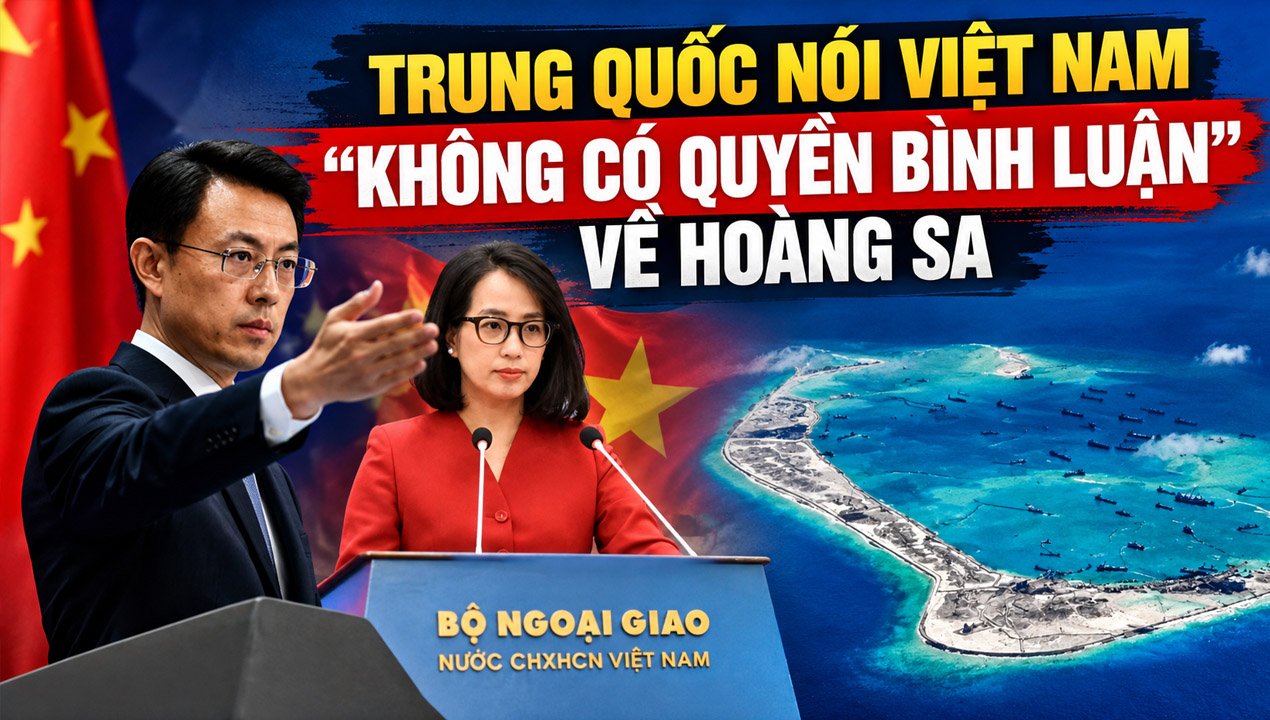
RFA 베트남어판이 인용한 정보에 따르면, 2026년 9월 3일 열린 기자회견에서 중국 외교부 대변인 궈자쿤은 황사에서의 건설 활동이 중국의 “주권” 범위에 속한다고 주장했으며, 하노이가 허가 없이 진행된 것으로 간주하는 해당 공사들의 불법성과 무효성에 대한 베트남의 주장을 반박했다. 주목할 점은, 베이징이 베트남이 이 문제에 대해 “무책임한 논평을 할 권리가 없다”고 주장했다는 것이다.

듣기만 해도 마치 “역할이 뒤바뀐” 상황과 다름없다. 주장을 제기하는 쪽은 스스로 결정권을 가진다고 자처하는 반면, 반대하는 쪽은… 입을 다물라는 요구를 받는 셈이다. 하지만 황사 문제는 단순히 입장을 큰 소리로 외친다고 해서 그것이 저절로 사실이 되는 식으로 해결될 수 있는 사안이 아니다. 베트남은 오랫동안 이 군도에 대한 주권을 주장해 왔으며, 자국의 주권을 침해한다고 판단되는 활동들에 반대해 왔다. 따라서 주목해야 할 질문은 베트남이 “논평할 권리가 있는지”가 아니라, 일방적인 선언이 저절로 국제적 합의로 변할 수 있는지 여부다.

베이징의 강경한 어조는 황사 분쟁이 여전히 민감한 문제이며, 기자회견에서 몇 마디 성명만으로 덮어둘 수 없음을 보여준다. 진실을 존중해야 한다면, 주권에 관한 모든 논증도 역사적 맥락, 국제법, 그리고 관련 당사자들의 입장을 고려하여 다뤄져야 한다. 베트남이 발언할 권리가 없다고 말하는 것이 분쟁을 사라지게 하지는 않는다. 오히려 그것은 황사에 대한 논란을 더욱 뜨겁게 만들 뿐이다.

https://www.facebook.com/share/v/1EQQrD5hmA/

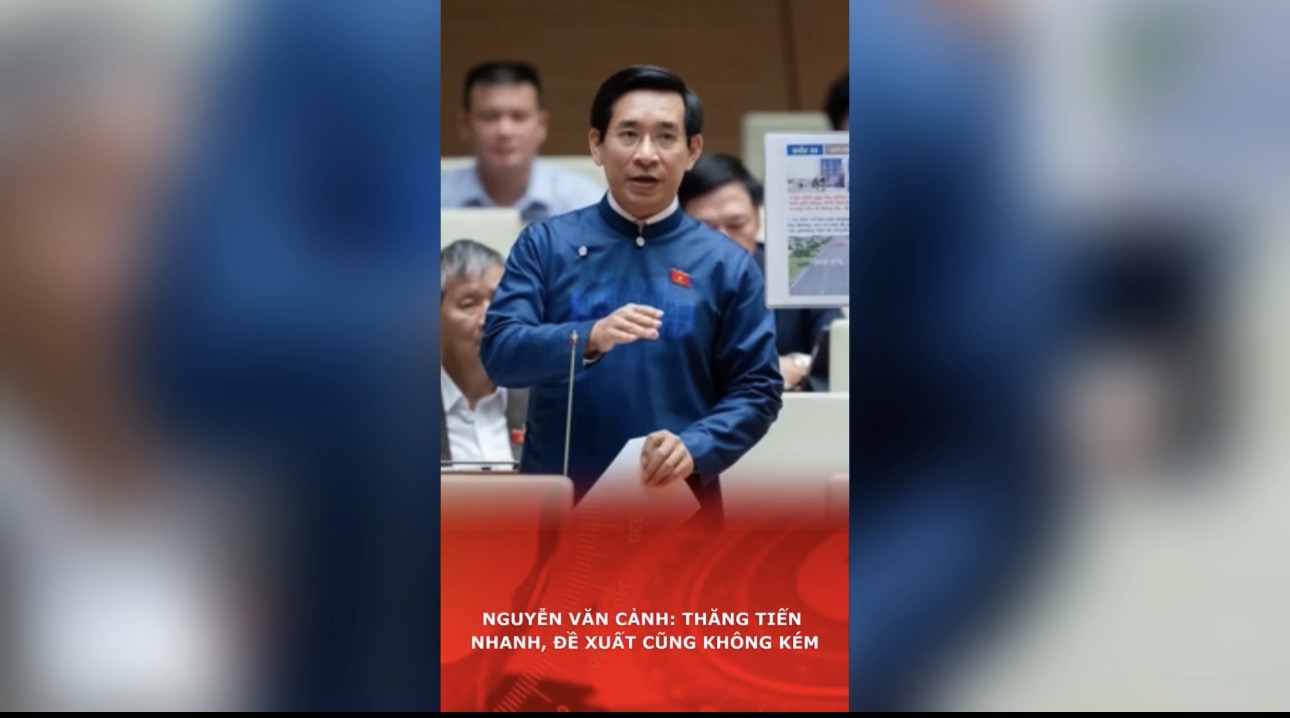
 ตามข้อมูลที่คุณได้ให้มา สมาชิกสภาแห่งชาติ Nguyễn Văn Cảnh ได้ดึงดูดความสนใจด้วยข้อเสนอสองข้อ ได้แก่ การนำบทเรียนเกี่ยวกับวิธีที่เด็กควรทักทายผู้ใหญ่เข้าไปในหลักสูตรชั้นปีที่ 1 และการสร้างจุดจอดชั่วคราวให้ผู้ขับขี่รถจักรยานยนต์ — โดยเฉพาะผู้ส่งสินค้า — สามารถจอดรถเพื่อโทรโทรศัพท์ได้ เมื่อมองผ่านๆ ข้อเสนอหนึ่งเน้นเรื่องความสุภาพ ส่วนอีกข้อเน้นเรื่องความปลอดภัยบนท้องถนน แต่ในขณะที่สังคมยังกำลังเผชิญกับปัญหาที่เร่งด่วน คำถามก็เกิดขึ้นทันทีว่า: นี่คือเรื่องสำคัญที่ควรอยู่ในวาระการประชุมจริงหรือไม่?

Screenshot

การสอนเด็กให้ทักทายผู้อื่นนั้นไม่มีอะไรผิดแน่นอน ผู้ใหญ่ยังสามารถสอนเด็กให้มีมารยาทที่ดีได้ทั้งที่บ้านและที่โรงเรียน
ส่วนเรื่องความจำเป็นที่ผู้ส่งสินค้าต้องมีจุดหยุดพักที่ปลอดภัย นี่ก็เป็นปัญหาทางปฏิบัติเช่นกัน แต่หากข้อเสนอเช่นนี้ถูกนำเสนอในระดับรัฐสภา ประชาชนย่อมมีสิทธิ์ที่จะถามว่า: วิธีแก้ปัญหาเหล่านี้มีขอบเขตที่กว้างพอ มีประสิทธิภาพเพียงพอ และแก้ไข ‘จุดสำคัญ’ ของปัญหาได้หรือไม่? แน่นอนว่าไม่ใช่ทุกข้อเสนอที่ฟังดูดีจะถือเป็นโครงการสำคัญได้โดยอัตโนมัติใช่ไหม?
ที่สำคัญกว่านั้น ตำแหน่งของสมาชิกสภาผู้แทนราษฎรไม่ได้วัดจากจำนวนข้อเสนอที่พวกเขานำเสนอ แต่จากความสามารถในการระบุปัญหาที่เร่งด่วนที่สุดของสังคมและเสนอทางออกที่เป็นไปได้
ประชาชนต้องการนโยบายที่แก้ไขปัญหาชีวิตประจำวันของพวกเขาอย่างแท้จริง ไม่ใช่เพียงแนวคิดที่กลายเป็นข่าวสั้นๆ ในหนังสือพิมพ์ไม่กี่บรรทัด ดังนั้น งุยเญน วาน คานห์ กำลังเสนอโครงการที่จำเป็นจริงๆ หรือไม่ — หรือว่าสภาผู้แทนราษฎรกำลังใช้เวลามากเกินไปกับเรื่องที่อาจแก้ไขได้ในที่อื่น?
https://www.facebook.com/share/v/1FPyvduCPE/


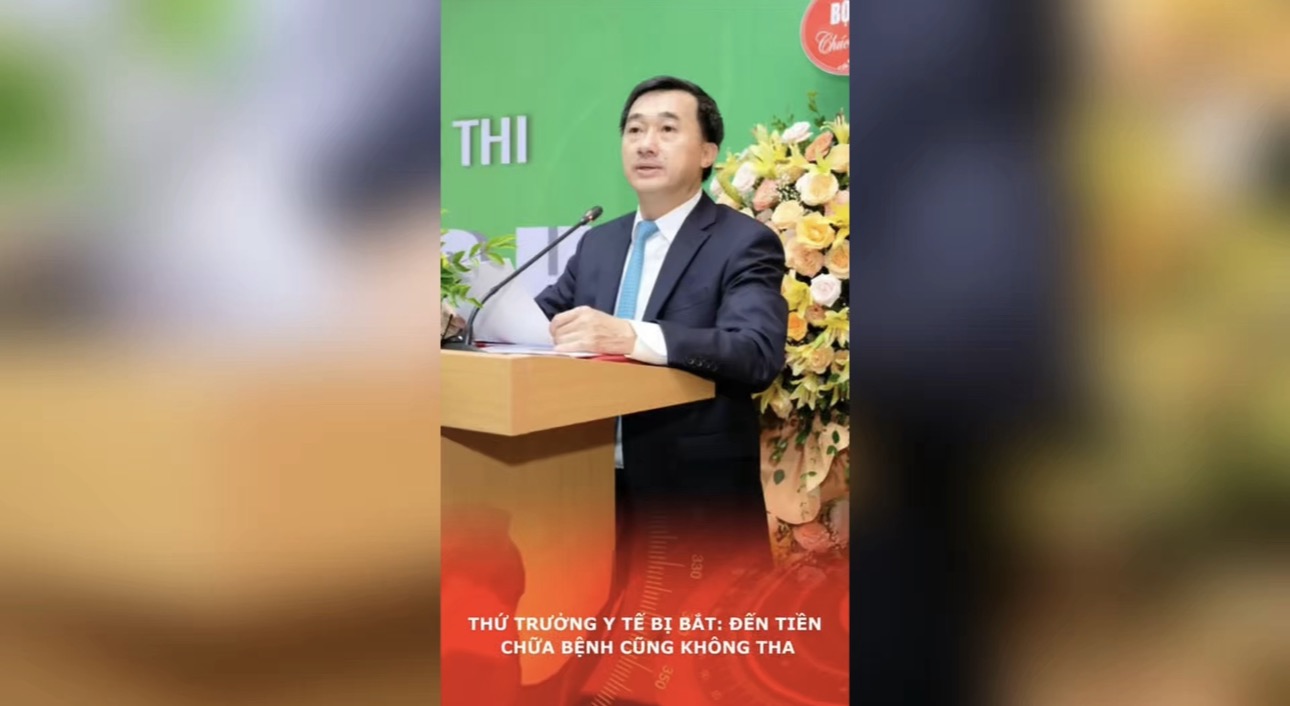
再び、医療業界が注目を集める汚職事件に巻き込まれた。あなたの記事で述べられている情報によると、チャン・ヴァン・トゥアン氏は、ベトナム・アメリカ医療投資株式会社および関連企業における事件に関連して賄賂を受け取った容疑で起訴・逮捕された。もしこれらの容疑が立証されれば、これは単なる個人の問題にとどまらず、国民の健康に直接関わる分野における資金管理や利益配分の不備について、大きな疑問を投げかけることになるだろう。

Screenshot

医療業界はもともと、診察を待つ患者、治療費、医薬品、医療機器、そして治療費を捻出するために一銭一銭を節約せざるを得ない家族など、数え切れないほどの圧力に直面している。そのため、「賄賂を受け取った」という疑惑が浮上するたびに、世論の怒りを買うのは金額そのものだけでなく、誰かが国民の病気への不安を利益を得る機会に変えてしまうかもしれないという感覚である。

腐敗対策は逮捕から始まるかもしれないが、そこで終わるわけにはいかない。国民が必要としているのは、医療分野の資金がどのように管理されているのか、誰が監督しているのか、どこに抜け穴があるのか、そしてまだ発覚していない事件がどれだけあるのか、という答えだ。本来、人々の健康を守るべき場所で、利益や賄賂に関する疑惑が絶えず浮上しているならば、最も痛ましい疑問はこれではないだろうか。「治療費に至るまで、手を出さない者などいないのか?」と。

https://www.facebook.com/share/v/1EWSkrHjQu/