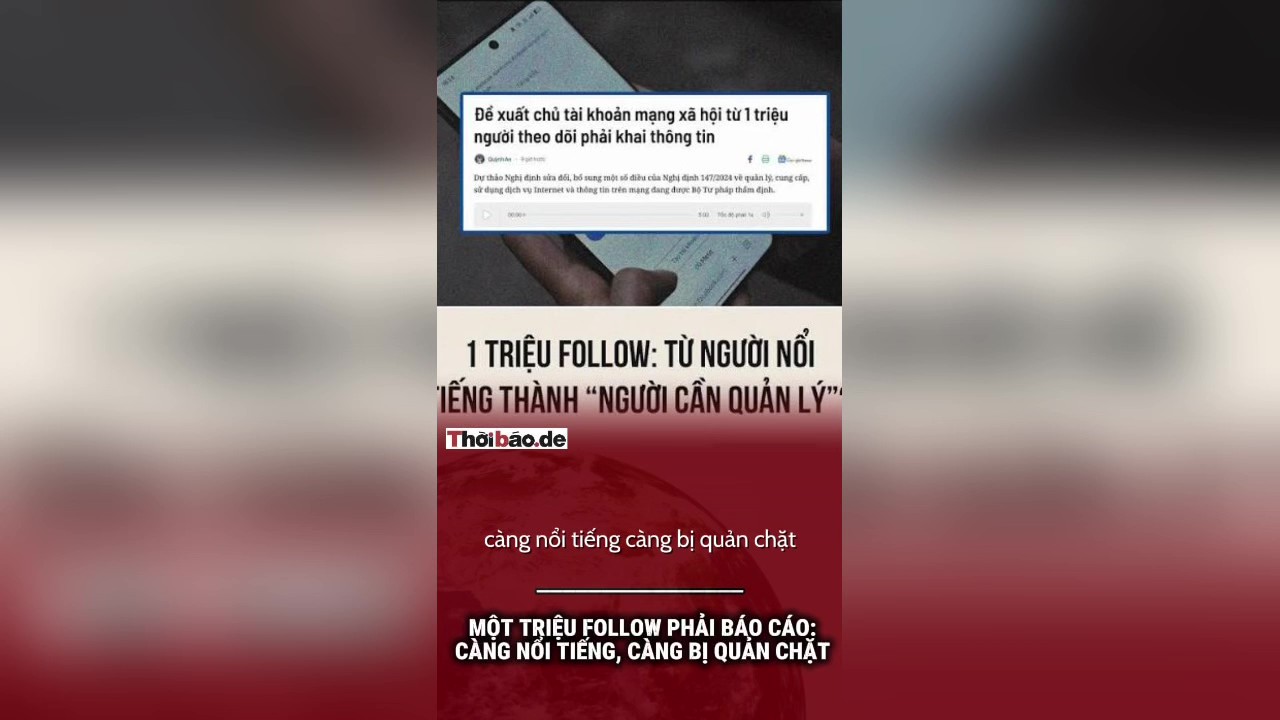
Vor kurzem hat die vietnamesische Regierung vorgeschlagen, dass Betreiber von Social-Media-Konten mit insgesamt einer Million Followern oder Gruppenmitgliedern oder mehr verpflichtet werden sollen, den Behörden Identitätsdaten vorzulegen.

Demnach soll die kumulative Schwelle über alle Kanäle, Seiten und Gruppen hinweg, die von ein und demselben Betreiber verwaltet werden, den Behörden helfen, die tatsächlichen Identitäten hinter den großen Online-Communities im ganzen Land zu ermitteln.

Dieser Schritt ist Teil einer umfassenderen Strategie des Ministeriums für öffentliche Sicherheit zur Gestaltung und Kontrolle der Community der Content-Ersteller.

Zuvor hatte die Behörde für Cybersicherheit und Bekämpfung der Hightech-Kriminalität im August 2025 in Zusammenarbeit mit dem Nationalen Verband für Cybersicherheit mehr als 300 Influencer versammelt und die sogenannte „Allianz für digitales Vertrauen“ ins Leben gerufen.


Gleichzeitig hat das KOL-Informationsportal des Ministeriums für Kultur, Sport und Tourismus die Datenbank der Content-Ersteller mit Verhaltenskodizes verknüpft, um positive Informationen zu fördern.

Wie die Nachrichtenagentur Reuters berichtet, wird das Hauptziel dieser Kampagne in einem Strategieentwurf der Kommunistischen Partei Vietnams (CPV) deutlicher: Bis zum Jahr 2030 soll ein Netzwerk aus mindestens 1.000 einflussreichen Persönlichkeiten und 5.000 Technologieexperten aufgebaut werden, um die Kampagne umzusetzen.


Bemerkenswert ist, dass die Zentrale der Ho-Chi-Minh-Jugendliga zudem Besichtigungsreisen für Content-Ersteller nach China organisiert hat, um dort Erfahrungen im Bereich der Verwaltung zu sammeln.

Nach Ansicht internationaler Beobachter nähert sich Vietnam zunehmend dem Modell Pekings zur Kontrolle des Cyberspace an.

Zwar sieht der Vorschlag in Vietnam lediglich vor, den Aufsichtsbehörden Identifikationsdaten zur Verfügung zu stellen, anstatt den echten Namen anzugeben, wie es in China der Fall ist. Doch im Kern zielen beide Ansätze darauf ab, Online-Konten fest mit der rechtlichen Identität der Person zu verknüpfen.


Das Übernehmen dieser Erfahrungen beschränkt sich nicht nur auf technische Aspekte, sondern zielt auch auf die Möglichkeit ab, in soziale Netzwerke einzugreifen, kritische Meinungsströme zu kontrollieren und negative Informationen in der Gemeinschaft zu unterbinden.

Hong Linh – Thoibao.de
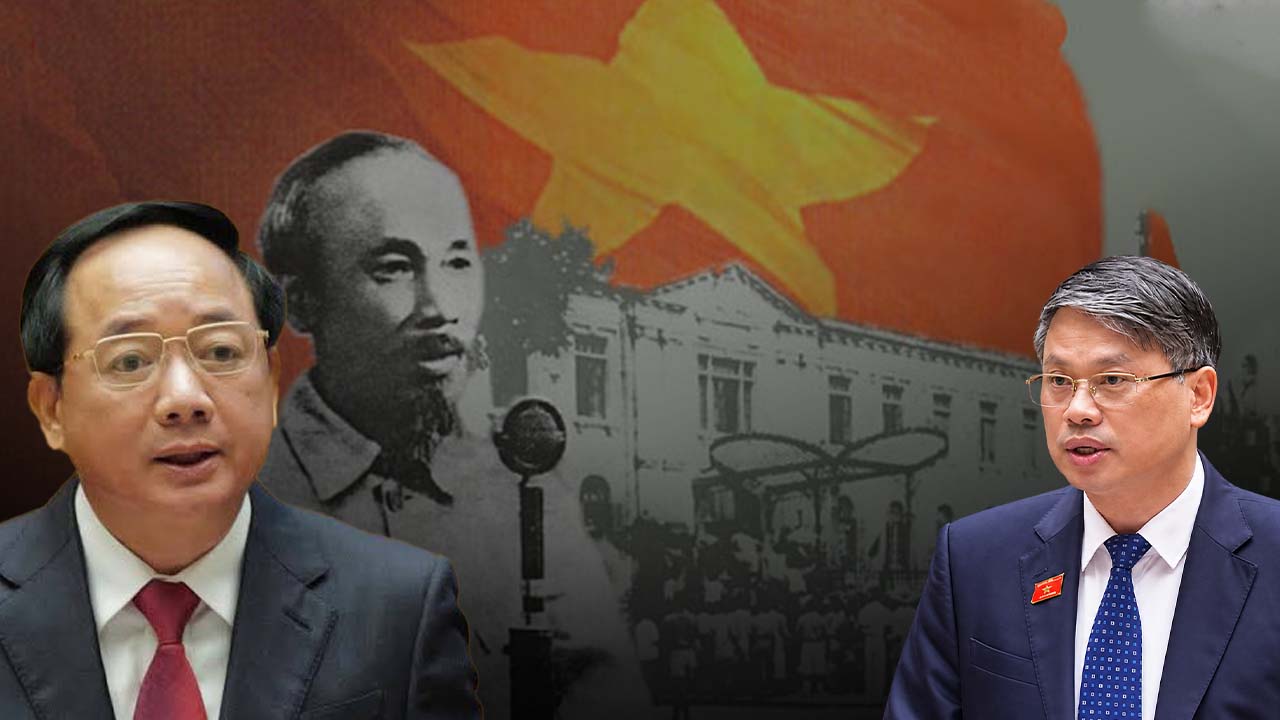
At the National Conference organized by the Politburo on the morning of September 3, 2026, Trinh Van Quyet, Head of the Central Propaganda and Education Commission, announced the shift from “studying and following” to “studying and putting into practice” Ho Chi Minh’s ideology, a move that has caused a stir among the public.

According to Mr. Quyet, the implementation of Directive 07—which replaces the previous Directive 05—needs to bring about a fundamental shift “from awareness to action, from commitments on paper to tangible results.”


Notably, Mr. Trinh Van Quyet candidly acknowledged that, after decades of implementing the campaign, “formalism” remains deeply entrenched, with much study but little tangible progress. Meanwhile, the pressing issues facing the people have largely remained unresolved.

However, according to observers, the shift in terminology from “following” to “practicing” is not merely a step forward in propaganda thinking, but essentially an implicit acknowledgment of the failure of political campaigns that have spanned many decades.


Many argue that the campaigns to study Ho Chi Minh’s ideology, though continuously launched, are merely superficial movements that consume significant budget resources yet fail to stem the moral decay within the system.

The paradox lies in the fact that the more these study campaigns are intensified, the more the number of officials and Party members embroiled in legal trouble due to corruption and policy manipulation surges dramatically.

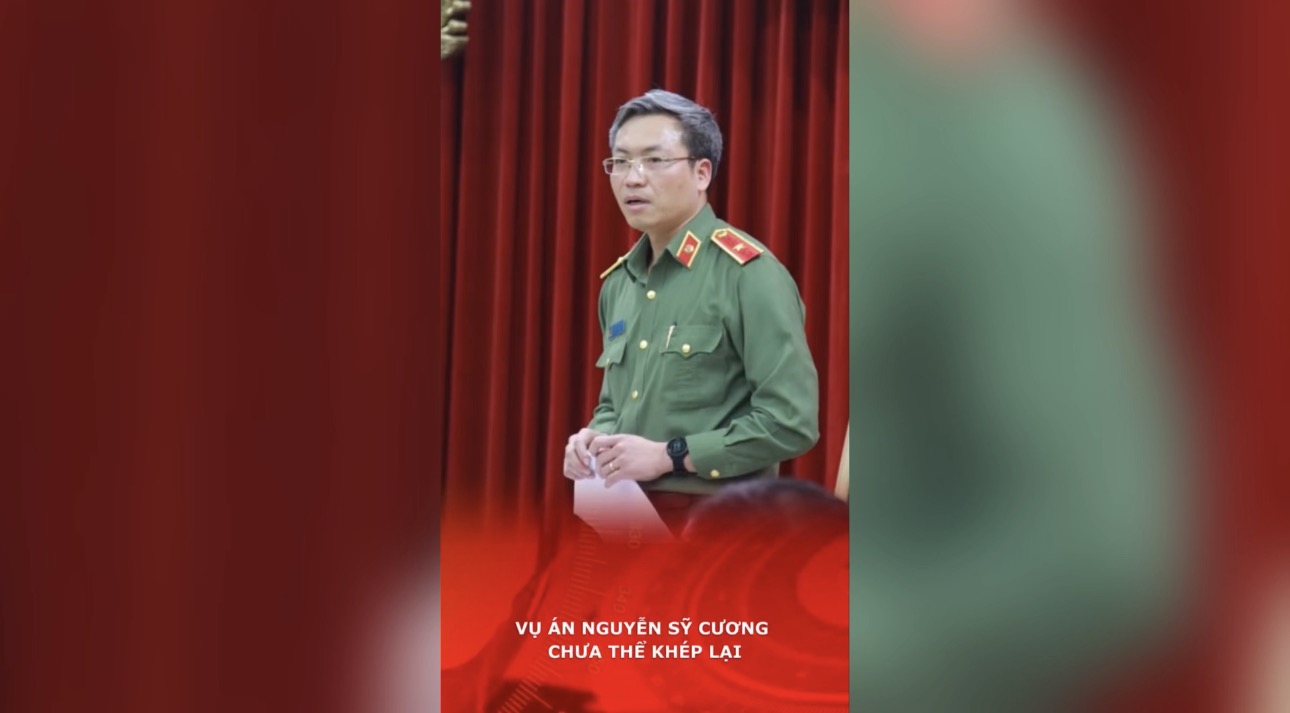
In the judicial sector, the recent public outcry over the case of former National Assembly Deputy Nguyen Sy Cuong—who caused a fatal traffic accident yet ultimately escaped punishment—is a prime example.


Corruption and bribery within investigative agencies, prosecutors’ offices, and courts have become widespread, driven by the philosophy that “what cannot be bought with money can be bought with a great deal of money,” which appears to persist rampantly.


Even though Party members and leaders have undergone countless sessions studying Party Resolutions and the moral teachings of Ho Chi Minh, these efforts have not prevented them from violating the law.


Official government statistics also reveal the extent of this comprehensive decline. Specifically, in just the first six months of 2025, nearly 760 new corruption cases were indicted, with the number of judicial officials facing criminal charges increasing by 117 percent compared to the same period last year.


At the same time, Inspection Committees at all levels have disciplined hundreds of Party organizations and tens of thousands of Party members.

This surge in disciplinary actions indicates that the disciplinary regulations governing the study of Ho Chi Minh’s moral teachings no longer maintain their seriousness or serve as a wake-up call for the ranks of Party officials and members.

Against this backdrop, Mr. Trinh Van Quyet’s call to “eradicate complacent thinking and break down barriers to stagnation” and his proposal to protect officials who “dare to think and dare to act” reflect a deadlocked reality. That is, the corrupt government apparatus fears accountability to such an extent that it sees no way out.


The statement that “morality is not measured by promises, but by the satisfaction of the people” also indicates that the leadership of the Communist Party of Vietnam has sensed the mounting social pressure.

However, the shift in terminology from “following” to “practicing” Ho Chi Minh’s ideology alone cannot bring about the necessary transformation.

This shift in terminology indicates that the Communist Party of Vietnam has acknowledged the comprehensive failure of this movement, while simultaneously striving to put principles into practice and tighten discipline.

However, without an independent mechanism to oversee the exercise of power, along with a judiciary that truly upholds the rule of law, all efforts at reform in ideological and propaganda work will once again fall into the trap of mere formality.


Public opinion holds that, when moral decay has become a systemic disease throughout the political system, demanding that officials and Party members “practice Ho Chi Minh’s morality” is merely a last-ditch attempt to revive a corpse.

It will forever remain nothing more than a costly experiment funded by taxpayers’ money!

Trà My – Thoibao.de


En las redes sociales, un millón de seguidores solía considerarse una recompensa por la influencia. Pero con las nuevas normas reguladoras, esa cifra también implica un nivel especial de atención por parte de las autoridades reguladoras. El Decreto 147/2024/NĐ-CP establece nuevas responsabilidades para los usuarios y los titulares de cuentas, canales y grupos en las redes sociales.

Lo que hay que debatir no son solo los trámites o la información que hay que facilitar, sino la línea divisoria entre una regulación destinada a garantizar el cumplimiento de la ley y una regulación que llega al punto de obligar a los usuarios a autocensurar sus propias palabras. Cuantos más seguidores tenga una cuenta, más peso tendrá su voz; y es precisamente ese peso el que hace que la cuestión de la responsabilidad, la privacidad y la libertad de expresión sea más delicada que nunca.

Las redes sociales fueron elogiadas en su día por dar a cada persona un micrófono. Pero si ese micrófono viene acompañado de demasiadas miradas vigilantes, ¿se atreverá quien lo empuñe a decir lo que piensa? La gestión de contenidos es una cosa; crear una mentalidad de «tener que mirar a左右 antes de decir algo» es otra muy distinta. La pregunta final no es quién tiene un millón de seguidores, sino: ¿cuántas voces independientes puede tener una sociedad si la gente siempre tiene que pensárselo dos veces antes de hablar?

https://www.facebook.com/share/p/1FE6vAUviK/

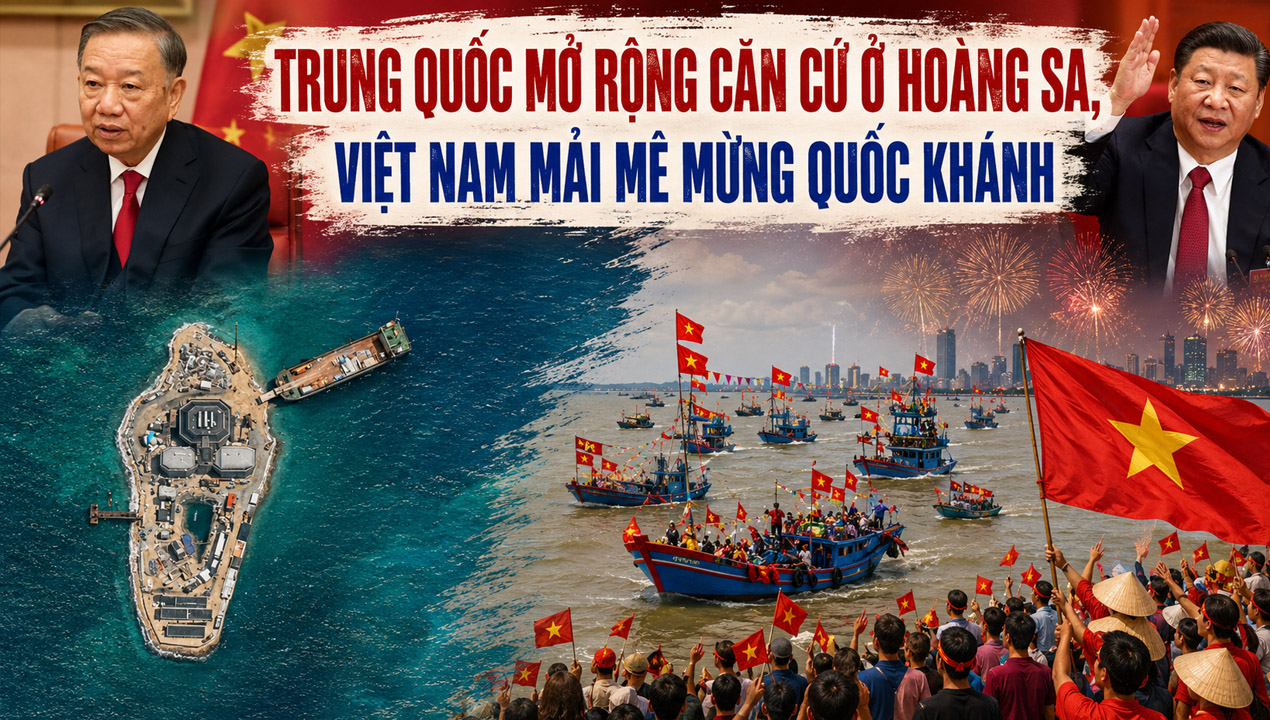
Le 2 septembre, les rues du Vietnam étaient pavoisées de drapeaux et les célébrations battaient leur plein. Mais à plusieurs centaines de kilomètres de là, en mer de Chine méridionale, une toute autre histoire se dessine. Selon Reuters, la Chine a achevé la première phase de construction sur le récif de Hải Sâm ; des images satellites montrent une structure artificielle de près de 6 km de long, dotée de nombreuses infrastructures notables.

Ce qui est frappant, c’est le contraste : sur la terre ferme règne une ambiance de fête, tandis qu’en mer se dressent des ouvrages en béton, des ports et des structures pouvant servir à des fins stratégiques. L’AMTI avait auparavant estimé la superficie des terres remblayées à environ 6,02 km², une ampleur suffisante pour que Hai Sam puisse devenir l’un des plus grands avant-postes de la Chine en mer de Chine méridionale.

Le Vietnam a fait part de son opposition et a exigé l’arrêt des activités de construction que Hanoï juge illégales. La question n’est donc pas de savoir s’il faut ou non célébrer la fête nationale, mais plutôt de se demander si, au milieu de la musique, des drapeaux, des fleurs et des vœux de félicitations, on porte suffisamment le regard vers le large. Car la souveraineté ne se renforce pas par des slogans ; elle réside aussi dans la capacité à surveiller, à réagir et à protéger les intérêts nationaux face aux changements quotidiens sur le terrain.

https://www.facebook.com/share/v/1UaEJYzkJL/

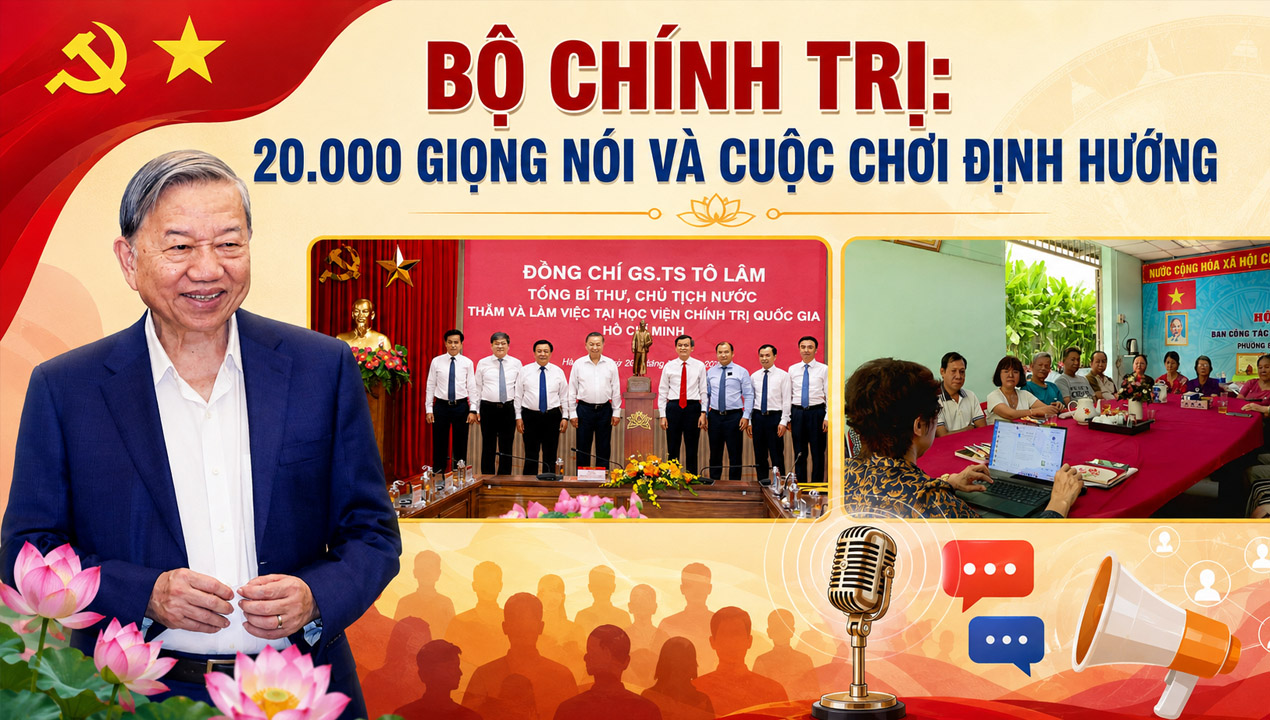
2만 개의 목소리, 하지만 과연 2만 가지의 관점이 있을까? 소셜 미디어가 국민들이 주류 언론 채널 외에 정보를 찾는 공간이 되면서, 사이버 공간은 순식간에 새로운 ‘전장’으로 변모했다. 그곳에서 영향력은 더 이상 직함, 마이크, 또는 편집부에 좌우되지 않는다. 단 하나의 계정만으로도 수천 건의 공유와 논쟁을 일으킬 수 있다.

그렇다면 하나의 이데올로기를 함께 확산시키기 위해 거대한 네트워크가 조직된다면 어떤 일이 벌어질까? 주목해야 할 질문은 단순히 참여자가 몇 명인지가 아니라, 그들이 무엇을, 어떻게 말하는지, 그리고 진정으로 독립적인 목소리가 얼마나 되는지이다. 왜냐하면 수만 개의 계정이 같은 메시지를 반복한다면, 그 숫자의 많음이 쉽게 합의로 오인될 수 있기 때문이다. 게다가 알고리즘은 그것이 독립적인 사고인지, 아니면 미리 준비된 대본인지 알 필요가 없다.

아이러니하게도, 원래는 개개인의 목소리를 확대하겠다는 약속으로 탄생한 소셜 미디어가, 이제는 똑같은 목소리들이 증폭되어 다른 목소리를 압도하는 공간이 되어버릴 수도 있다. 2만 개의 목소리는 정말 웅장하게 들립니다. 하지만 가장 불편한 질문은 여전히 남아 있습니다. 이것이 2만 명의 사람이 생각하고 목소리를 내는 것일까요, 아니면 단지 2만 개의 스피커가 같은 음악을 재생하는 것일까요?

https://www.facebook.com/share/v/1EpfUXPVx9/

ในคดีที่เกี่ยวข้องกับการเสียชีวิตของบุคคลจากอุบัติเหตุทางถนน หากคดีดังกล่าวได้รับความสนใจจากสาธารณชนเป็นพิเศษ สิ่งที่ประชาชนต้องการมากที่สุดไม่ใช่การคาดเดาที่ร้อนแรงขึ้นเรื่อยๆ แต่คือการสอบสวนที่โปร่งใส

Screenshot

อย่างไรก็ตาม ข้อมูลทุกชิ้นที่ยังไม่ได้รับการชี้แจง ก็เหมือนชิ้นส่วนที่ขาดหายไปของภาพจิ๊กซอว์ ทำให้ภาพรวมยิ่งสับสนมากขึ้น เมื่อประชาชนตั้งคำถาม คำตอบที่น่าเชื่อถือที่สุดต้องเป็นหลักฐานที่ชัดเจนและกระบวนการทางกฎหมายที่โปร่งใส
ที่น่าสังเกตคือ เรื่องราวที่แพร่กระจายบนอินเทอร์เน็ตนั้น มุ่งเน้นไปที่สถานที่เกิดเหตุ สัญลักษณ์ ‘55’ การวางดอกไม้ไว้อาลัย และวิธีที่หน่วยงานที่เกี่ยวข้องจัดการข้อมูล หากรายละเอียดเหล่านี้เกิดขึ้นจริง ก็ต้องได้รับการอธิบายผ่านช่องทางอย่างเป็นทางการ แทนที่จะปล่อยให้มีช่องว่างสำหรับการคาดเดา เพราะในคดีที่ละเอียดอ่อน การนิ่งเงียบในเวลาที่ไม่เหมาะสมอาจก่อให้เกิดคำถามมากมาย
ในท้ายที่สุด สิ่งที่ประชาชนต้องการไม่ใช่เรื่องราวที่ถูกแต่งแต้มด้วยอารมณ์ของฝ่ายใดฝ่ายหนึ่ง แต่ประชาชนต้องการรู้ว่าเกิดอะไรขึ้น พื้นฐานทางกฎหมายใดถูกนำมาใช้ และเหตุใดทางการจึงตัดสินใจเช่นนั้น หากทุกขั้นตอนดำเนินการตามขั้นตอนที่ถูกต้อง ก็ควรเปิดเผยให้ประชาชนเข้าใจ
หากยังมีจุดใดที่ยังไม่ชัดเจน โปรดอธิบายให้ชัดเจน เพราะความจริงไม่จำเป็นต้องได้รับการปกป้องด้วยการนิ่งเงียบ ความจริงยืนหยัดอยู่บนพื้นฐานของหลักฐาน
https://www.facebook.com/share/v/1C2yGeuPva/


起業は、荒波の中へ船を出すことに例えられます。しかし、もしそのビジネスの船が沈んでしまったとしても、物語はまだ終わっていないようです。事業を閉鎖するには、さらなる手続きという「関門」を乗り越えなければならないのです。報告によると、2012年に設立され、2013年から営業を停止していたある企業で、2026年に800万ドン以上の税金の未納が判明した。事業主を愕然とさせたのは、解散手続きを完了させるために、罰金や関連費用を含め、処理すべき金額が1億ドンを超える可能性があるということだった。

Screenshot

税金は義務であり、それを否定する者はいない。しかし、10年以上も営業を停止している企業にとって、極めて現実的な疑問が浮かぶ。「納めるお金はどこにあるのか?」。売上も、事業活動も、利益も生み出していない企業が、時間の経過とともに発生する罰金をどのような財源で賄えばよいのだろうか。閉鎖手続きが長引けば長引くほど費用は膨れ上がり、それはまるで、すでにこの世界から去りたいと思っている人が、ただ「出口」から出るためだけに、さらに金を支払わされるようなものだ。

国は起業を奨励しているが、成功した企業を支援する政策と同様に、失敗した企業に対する政策も同様に重要である。ビジネスには勝ちもあれば負けもあるものであり、健全な経済には、企業が透明性を持って誕生し、秩序正しく消滅するための仕組みが必要だからだ。もしある企業が10年以上も「休眠状態」にあり、解散の段階になっても当初の義務の何倍もの金額を支払わなければならないとしたら、これは厳格な管理と言えるのか――それとも、廃業したい人さえも…追加の支払いを強いられるような障壁なのだろうか?

https://www.facebook.com/share/p/18STGTY81t/

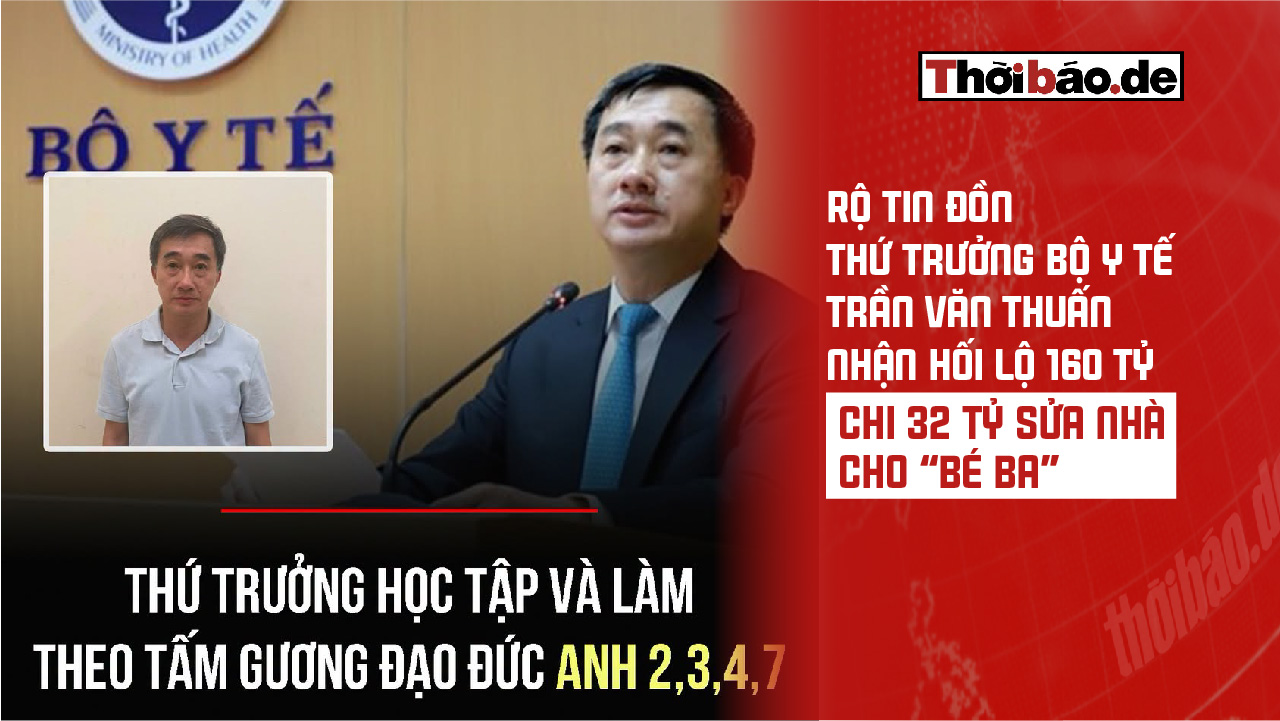
 近日,社群媒體上流傳著大量關於衛生部副部長陳文順的震撼消息,從收受賄賂的指控,到數以百億計的金額,乃至其私生活內幕。乍看之下,這劇情簡直就像一部調查電影:數十億的資金、招標醜聞、豪宅,以及幕後那些「秘密」。但越是聳動,就越該問:消息來源何在?資料何在?證據何在?

謠言的傳播速度往往比真相更快,尤其當它被包裝成龐大數字時更是如此。1600億越南盾聽起來足以令人震驚,而320億越南盾的修繕費更易激起人們的好奇心。但網路上頻繁出現的數字,並不會自動轉化為證據。若真有案件,唯有調查機關與司法機關才有權釐清行為、金額及各個人應負的責任——而非那些匿名貼文。

而這才是值得關注的問題:究竟是誰將疑點轉化為定論?若指控屬實,公眾需要一場透明的調查與明確的證據。若僅是謠言,散佈者也必須承擔責任。因為反貪腐需要的是真相,而非憑空杜撰的「劇本」。在「1600億」這樁事件中,當下最珍貴的並非聳動的報導——而是證據。

https://www.facebook.com/share/p/1D5Jp8v866/

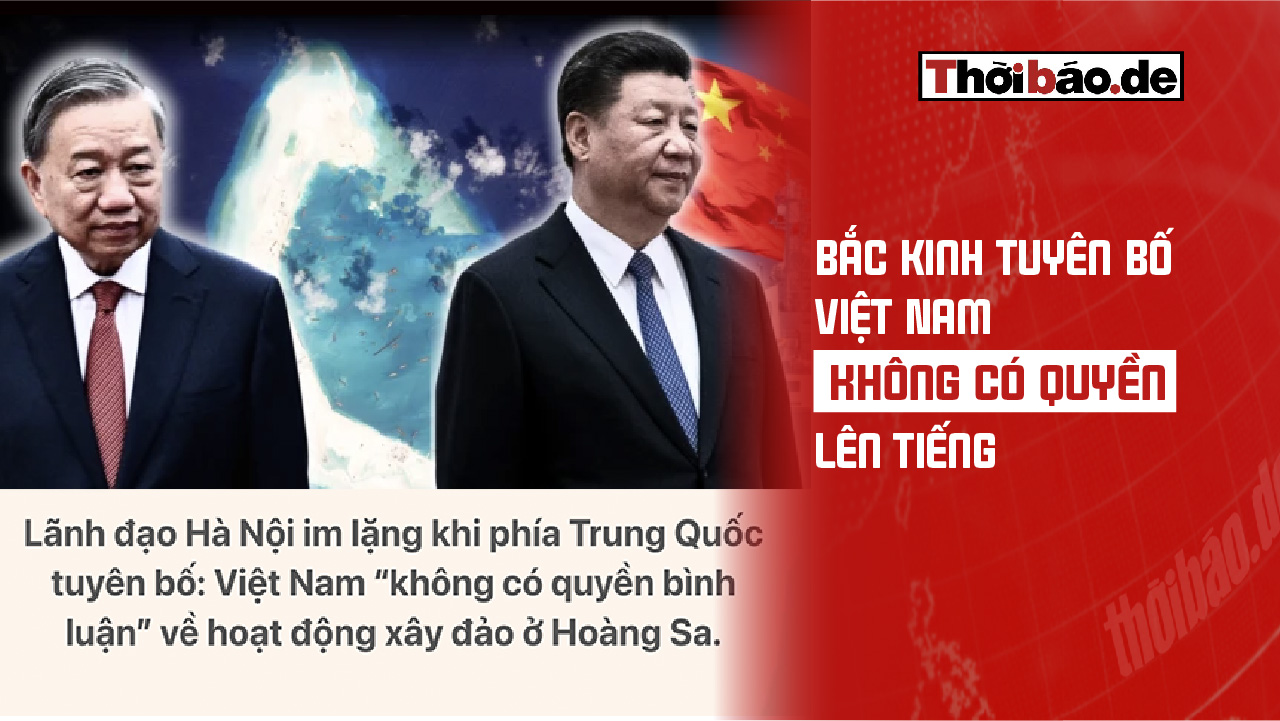
Заявление из Пекина ещё больше накаляет обстановку в Южно-Китайском море: китайская сторона заявила, что её строительные работы на островах Хоанг Са находятся «в пределах суверенитета», и считает, что Вьетнам «не имеет права» делать безответственные замечания. На первый взгляд создаётся впечатление, будто суверенитет — это стул с табличкой: кто первым сел, тот и занимает место, а остальным приходится стоять!

Но на самом деле всё не так просто, как кажется из этого заявления. Вьетнам уже давно утверждает, что располагает полными историческими доказательствами и правовыми основаниями в отношении архипелага Хоангса. Ещё 28 августа Министерство иностранных дел Вьетнама заявило, что строительные работы Китая на рифе Хай Сам и острове Ба Ба являются «абсолютно незаконными и не имеющими юридической силы», и потребовало их прекращения. 3 сентября Пекин немедленно ответил аргументацией, полностью противоположной этой позиции.

Поэтому вопрос заключается не в том, кто говорит громче, а в том, на чём основан этот голос: на исторических доказательствах, правовых основаниях и международном праве — или лишь на самопровозглашении, что «это моя территория»? А если со стороны руководства Ханоя наблюдается некоторое молчание, то общественность вправе задать вопрос: является ли это стратегическим молчанием или просто информационным вакуумом? Ведь в вопросе о Хоанг-Са самое важное — не лозунги, а позиция и действия.

https://www.facebook.com/share/p/1K2kZWFGAf/

Am 3. September veranstaltete das Politbüro der Kommunistischen Partei Vietnams (CPV) unter dem Vorsitz des Generalsekretärs und Staatspräsidenten Tô Lâm eine nationale Konferenz zur Vermittlung und Umsetzung wichtiger Beschlüsse und Anweisungen.

Ähnlich wie bei vielen hochrangigen Treffen in der letzten Zeit drehte sich die Tagesordnung weiterhin um die ideologische Arbeit und das Studium der Gedanken von Hồ Chí Minh.

Am bemerkenswertesten war jedoch die Botschaft, den Geist des „Mut zum Denken und Handeln“ zu fördern – vor dem Hintergrund, dass die Verwaltungsapparate der Parteimitglieder aus Angst vor Fehlern in eine Art „Stillstand“ geraten sind. Das Politbüro hat zudem eine eigene Resolution zur Erneuerung und zur Bereitschaft, in der sogenannten „neuen Ära“ Verantwortung zu übernehmen, verabschiedet.

Parallel dazu hat auch der vietnamesische Nationalrat diese Leitlinie durch eine Resolution institutionalisiert, die eine Befreiung von der strafrechtlichen Verfolgung bei Verstößen in den Bereichen Wirtschaft, Wissenschaft und Technologie sowie bei der digitalen Transformation vorsieht – unter der Voraussetzung, dass die Beamten nicht korrupt sind und im gemeinsamen Interesse handeln.


Dieser beispiellose rechtliche Schritt offenbart eine Tatsache: Die Stagnation im System ist so gravierend, dass die Regierung auf den Mechanismus der „Straffreiheit“ zurückgreifen muss, um die Funktionäre zur Arbeit anzuspornen.

Bemerkenswert ist, dass Trinh Van Quyet, Leiter des Zentralkomitees für Propaganda, auf der Konferenz eine entschlossene Erklärung abgab, in der er forderte, „die Hindernisse der Stagnation zu überwinden und die Mentalität der Selbstzufriedenheit zu beseitigen“, und gleichzeitig betonte, dass Formalismus und dogmatische, hohle Tendenzen gründlich beseitigt werden müssen.

Internationale Beobachter sind der Ansicht, dass dies das erste Mal ist, dass sich die von Herrn To Lam angeführte Reformfraktion innerhalb der Partei so nachdrücklich zu Wort gemeldet hat, um ihre Entschlossenheit zur Erneuerung zu bekräftigen.


Diese Botschaft wurde unmittelbar nach einer Reihe von öffentlichen Kontroversen rund um das Buch „Chuyện với Thanh“ und heftigen Auseinandersetzungen im Zusammenhang mit dem Vorschlag zur Verlegung des Denkmals „Quyết tử“ in der Hauptstadt Hanoi verbreitet, die von konservativen Kräften angezettelt worden waren.


Dieser ideologische Konflikt zeigt, dass die Reformwelle von Herrn To Lam neben den Widerständen aufgrund der Angst vor Verantwortung bei den Basisbeamten auch auf erheblichen Widerstand durch dogmatisches Denken innerhalb des Systems selbst stößt.

Hong Linh – Thoibao.de