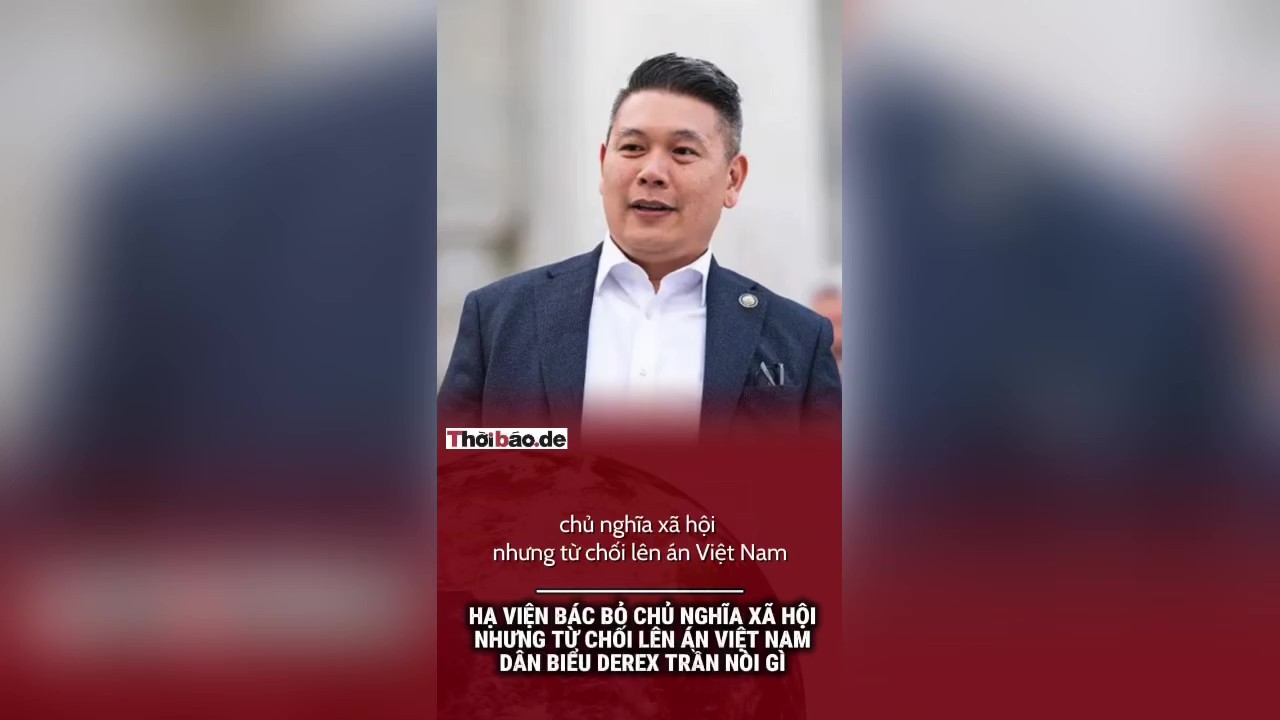
La Cámara de Representantes de EE. UU. aprobó una resolución que condena el socialismo «en todas sus formas», pero lo que más ha llamado la atención es lo que no aparece en el texto final. Según la información facilitada, el diputado Derek Trần propuso añadir contenido relacionado con Vietnam, desde cuestiones económicas y la oleada de refugiados hasta los campos de reeducación posteriores a 1975. Sin embargo, esta propuesta no fue aceptada por los líderes del Partido Republicano en la Cámara de Representantes. Una resolución puede ser muy amplia, pero al abordar cada caso concreto, la cuestión se complica mucho más.

Lo más destacable radica precisamente en esa diferencia. Si el objetivo es transmitir un mensaje general sobre el socialismo, limitar el contenido podría considerarse una elección sobre el alcance de la resolución. Pero si se han utilizado argumentos contundentes sobre la historia y las consecuencias de dichos regímenes, surge naturalmente la pregunta: ¿qué criterios determinan qué casos se incluyen y cuáles se excluyen? Para Derek Trần, el rechazo de la propuesta también plantea interrogantes sobre el mensaje que desea transmitir a los votantes y a la comunidad vietnamita-estadounidense.

En definitiva, lo que importa no es solo con cuántos votos se aprobó la resolución, sino también qué contenidos se mantuvieron y cuáles se excluyeron del debate. La política a veces no reside solo en lo que se dice en el foro, sino también en lo que no aparece en el texto final. Por lo tanto, la pregunta «¿Qué dijo Derek Trần?» quizá sea solo el principio; la pregunta más importante es: ¿por qué una propuesta concreta sobre Vietnam no se incluyó en una resolución que, según se describe, condena el socialismo en todas sus formas?

https://www.facebook.com/share/p/1DfNDhWkx7/

On demande désormais de passer de « étudier et suivre » à « étudier et mettre en pratique ». À première vue, il ne s’agit que d’un changement de quelques mots, mais cela cache en réalité une exigence de taille : il ne faut plus se contenter de compter le nombre de séances de formation, de formulaires d’inscription ou de promesses, mais s’attacher à ce qui a été concrètement réalisé. Après dix ans de mise en œuvre de la directive n° 05, les responsables du secteur de la propagande et de l’éducation reconnaissent eux-mêmes qu’il subsiste un « mal du formalisme » : on étudie beaucoup mais les changements sont rares, on s’inscrit en grand nombre mais les résultats concrets sont maigres. La question qui se pose alors est sans détour : si les résultats ne sont que sur le papier, tandis que les problèmes de la population restent sans réponse dans la réalité, où en est réellement l’étude de la pensée de Hô Chi Minh ?

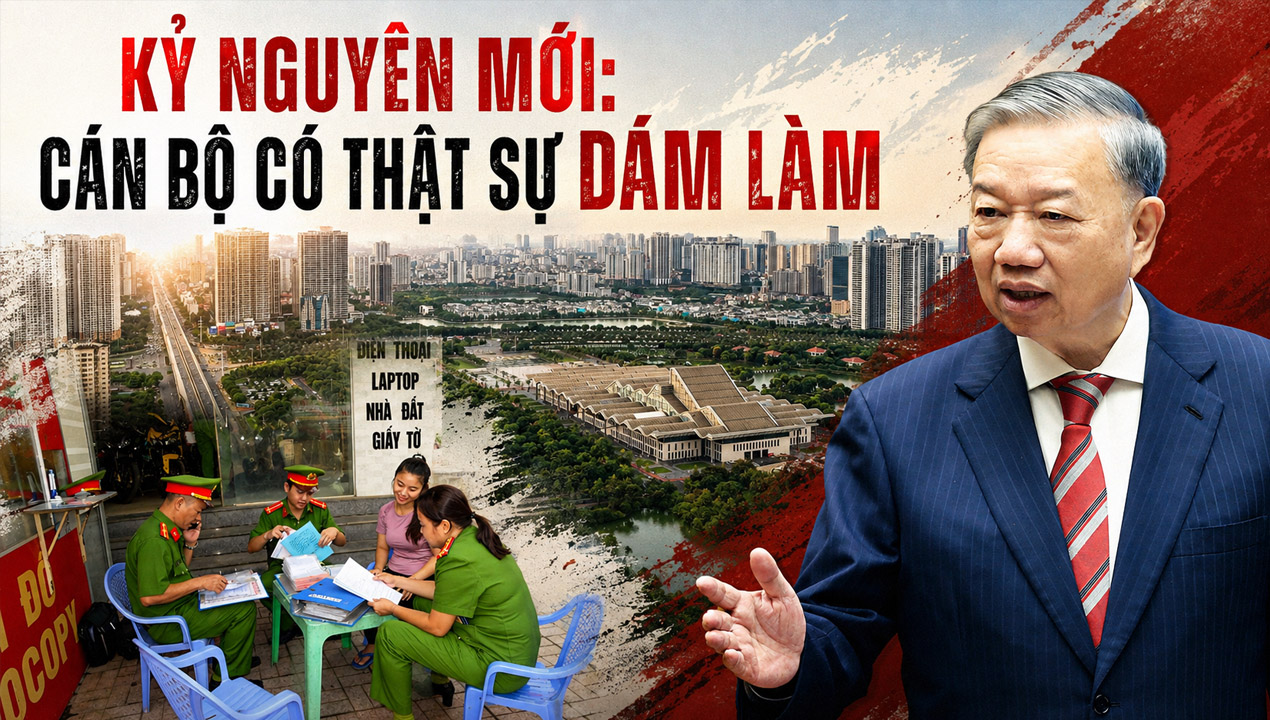
Il convient surtout de souligner la nécessité d’éliminer la mentalité consistant à esquiver, à se renvoyer la balle et à craindre les responsabilités. En effet, en matière de gestion, une décision tardive peut parfois avoir des conséquences tout aussi graves qu’une mauvaise décision. On demande aux fonctionnaires d’oser penser, d’oser agir et d’oser assumer leurs responsabilités, mais pour qu’ils osent agir, le mécanisme d’évaluation doit être suffisamment clair : comment protéger ceux qui agissent dans l’intérêt général, et comment distinguer une erreur due à un manque de compétence d’une erreur motivée par l’intérêt personnel ? Si l’on se contente d’appeler à « oser agir » sans mettre en place un système d’évaluation transparent, ce slogan risque fort de ne devenir qu’une nouvelle couche de peinture recouvrant un vieux mal.

Enfin, la « mise en pratique » ne peut se résumer à un simple terme supplémentaire dans un texte. Les critères concrets résident dans des aspects très quotidiens : les procédures sont-elles plus rapides, les goulots d’étranglement ont-ils été éliminés, les citoyens ont-ils moins à attendre et les fonctionnaires assument-ils réellement la responsabilité de leurs décisions ? Si ces questions restent sans réponse claire, ce qu’il faut changer, ce n’est peut-être pas seulement la manière de parler de l’apprentissage, mais la manière de transformer les paroles en résultats. Car un slogan peut se lire très bien, mais l’efficacité, elle, ne se lit pas.

https://www.facebook.com/share/p/1DNoG9E4Wm/

결의안이 옳다고 평가받고, 자원도 충분하다고 확인되었지만, 실행하는 사람들이 여전히 “소극적으로 대처하고 회피”한다면 발전의 기계는 쉽게… 가속 페달을 밟아도 차가 움직이지 않는 상황에 빠지기 쉽다. 9월 3일 회의에서 토 람 총비서 겸 국가주석이 한 연설은 간부 업무에 대한 문제를 정면으로 제기했다. 인재 선발, 업무 배정, 실전 시험을 거쳐 결국에는 결과를 봐야 한다는 것이다. 듣기만 하면 간단해 보이지만, 바로 그 ‘결과’라는 단어가 가장 어려운 시험이다.

문서상으로는 방침이 아주 훌륭하고 목표가 거창할 수 있지만, 현실은 각급 및 각 부문의 구체적인 결정에 달려 있기 때문이다. 책임을 두려워하고 마찰을 꺼린다면 쉬운 일도 어려워질 수 있고, 본래 짧아야 할 절차가 여러 단계를 거쳐 길어질 수도 있다. 다시 말해, 자원은 책상 위에 있고 결의안은 서류 속에 있을지 몰라도, 결정권을 가진 사람이 결단을 내리지 못한다면 국민과 기업은 여전히 기다리는 입장에 머물게 된다. 따라서 주목해야 할 질문은 단순히 “결의안이 있는지 없는지”가 아니라, 누가 그 결의안을 결과로 만들어내느냐는 것이다.

최고 책임자가 행동으로 모범을 보이고, 직접 중요한 사안을 처리하며, 현장에 내려가 대화를 나누고 끝까지 책임을 지도록 요구하는 것은 매우 명확한 시험대와도 같습니다. 즉, 간부를 무엇으로 평가할 것인지, 그리고 결과가 기대에 미치지 못할 경우 책임을 어떻게 규명할 것인지에 대한 문제입니다. “새로운 시대”는 구호나 격식 있는 회의만으로 측정될 수 없습니다. 결국, 기준은 업무가 제대로 진행되고 있는지, 걸림돌이 해소되고 있는지, 국민과 기업이 변화를 체감하고 있는지에 달려 있다. 만약 이러한 질문들에 설득력 있는 답이 없다면, 가장 큰 위험은 결의안이 부족하다는 것이 아니라 결의안과 행동 사이의 간극이다.

https://www.facebook.com/share/p/1Bmk1k19g7/

กฎระเบียบนี้ถูกนำมาใช้เพื่อปรับปรุงความปลอดภัยบนถนน แต่หากวิธีการบังคับใช้ทำให้ผู้ขับขี่ต้องคอย ‘ตรวจสอบเครื่องวัดระยะห่าง’ อย่างต่อเนื่อง แทนที่จะมุ่งเน้นไปที่สถานการณ์โดยรวมบนถนน คำถามที่จำเป็นต้องถามคือ: ค่าปรับเหล่านี้กำลังก่อให้เกิดผลข้างเคียงที่ไม่คาดคิดหรือไม่?

Screenshot

ทางด่วนถูกสร้างขึ้นในต้นแรกเพื่อประหยัดเวลา แต่หากผู้ขับขี่กลายเป็นระมัดระวังเกินไปเนื่องจากค่าปรับ ความเร็วการจราจรอาจลดลง และประโยชน์ของทางด่วนก็ลดลงตามไปด้วย

เมื่อการจราจรย้ายไปยังถนนระดับชาติเพื่อหลีกเลี่ยงความกดดันจากค่าปรับ จะเกิดภาวะขัดแย้งขึ้น: ถนนที่ได้รับการลงทุนเป็นจำนวนหลายพันพันล้านเพื่อเพิ่มความสามารถในการขนส่ง อาจไม่ได้รับการใช้งานอย่างเต็มที่ ในขณะที่ถนนเก่าต้องรับภาระการจราจรเพิ่มเติม ตั้งแต่เวลาขนส่งและค่าใช้จ่ายเชื้อเพลิง ไปจนถึงค่าใช้จ่ายด้านโลจิสติกส์ ทุกค่าใช้จ่ายเพิ่มเติมอาจกลายเป็นปัจจัยที่ธุรกิจและผู้บริโภคต้องนำมาคำนวณในราคาสินค้าและบริการ

ดังนั้น มาตรการด้านการขนส่งจึงต้องได้รับการประเมินไม่เพียงแต่จากจำนวนใบแจ้งโทษที่ออก แต่ยังต้องพิจารณาถึงผลกระทบจริงต่อการไหลของจราจรและเศรษฐกิจด้วย

ความปลอดภัยเป็นความสำคัญที่ไม่สามารถมองข้ามได้ อย่างไรก็ตาม การบริหารจัดการที่มีประสิทธิภาพไม่สามารถจำกัดอยู่เพียง ‘จำนวนใบแจ้งโทษที่ออก’ ได้เท่านั้น คำถามที่สำคัญกว่าคือ: จะทำอย่างไรเพื่อส่งเสริมให้ผู้ขับขี่ปฏิบัติตามกฎระเบียบ พร้อมทั้งรับประกันว่าการไหลของจราจรเป็นไปอย่างราบรื่น?

หากนโยบายใดทำให้ประชาชนรู้สึกกลัวจนต้องเลือกใช้เส้นทางอื่น ส่งผลให้ธุรกิจต้องรับภาระค่าใช้จ่ายเพิ่มเติม และทำให้การขนส่งสินค้าใช้เวลานานขึ้น ตัวเลขเหล่านี้ก็จำเป็นต้องถูกนำมาพิจารณาด้วย ท้ายที่สุดแล้ว ทางด่วนที่มีประสิทธิภาพไม่ใช่ทางด่วนที่มีจำนวนใบสั่งมากที่สุด แต่เป็นทางด่วนที่ปลอดภัย รับประกันการไหลเวียนของการจราจรที่ราบรื่น และช่วยให้เศรษฐกิจดำเนินไปอย่างมีประสิทธิภาพมากขึ้น

https://www.facebook.com/share/p/1DpWRg91VT/

国会は極めて明確な原則を定めている。犯罪の兆候が確認された場合は、法律の規定に従って捜査を行うため、起訴しなければならない。聞けば極めて明快だ:例外はなく、相手が誰であろうと区別しない。しかし、原則が厳格であればあるほど、世論は次のように知りたがるようになる:具体的な事案に適用する際、その基準は一貫して守られているのか?

Screenshot

グエン・シー・クオン氏に関する事件は、まさにそのような疑問の的となっている。女子学生が死亡した事故について当局が公表した情報は、関連する全記録、証拠、および法的根拠と照らし合わせる必要がある。もし最終的な結論が「起訴しない」というものであれば、一般市民が必要としているのは漠然としたスローガンではなく、十分に明確な説明である。どのような根拠がその決定につながったのか、そしてその基準はすべての市民に対して等しく適用されているのか?

なぜなら、公平性は法律がどのように制定されているかだけでなく、法律がどのように適用されるかにもあるからだ。原則が「例外なし」であるならば、議論を呼ぶような事例においては、なおさら透明性が求められる。世論の圧力だけで有罪とされてはならないが、地位や人脈があるというだけで、他の人よりも疑いを軽く扱われることもあってはならない。公正な法制度とは、法の面前では、事件の背後にいる人物の名前よりも真実の方が重要であると、国民に信じさせるものでなければならない。

https://www.facebook.com/share/p/1DugwFRzSQ/

 社群媒體正邁入「蓬勃發展時代」。第174號法令規定,擁有100萬追蹤者的社群媒體帳號、頻道及社團的所有者,必須向國家管理機關提交書面報告。要報告什麼?就是提供所有個人資訊,包括姓名、身分識別碼、地址、電話號碼、電子郵件等……

目的是什麼?是為了讓每個人都必須對自己發布、撰寫及管理的内容負責。若內容有違當局意願,相關主管機關將立即鎖定相關人員的身分與居住地址,毫不拖延。換言之,這項規定旨在便於開罰。為何擁有100萬追蹤者的帳號會被「鎖定」?因為當局擔心這些對社會具影響力的人士不會與當局站在同一陣線,害怕遭受不利影響,也害怕出現與當局立場相左的言論。當主管機關掌握了所有資訊後,社群媒體用戶在發布貼文或留言前,都必須三思而行。

《網路安全法》實施近十年,但似乎仍不足以讓當局感到安心。因此,《第174號法令》應運而生,旨在再次警告社群媒體用戶,不得發表任何對當局不利的言論。但看來政府似乎過於輕視人民了。社會中的不公義、苛刻的法律、荒謬的規定……正是對一個不以民為本的體制最犀利的控訴。無需任何人出聲,但民眾早已看在眼裡、瞭若指掌

https://www.facebook.com/share/p/1DBvZrx3pd/

 Трудно ли удалить одну цифру? Пожалуй, нет. Достаточно одного слоя краски, нескольких мазков кистью — и цифра 55 исчезает с ствола дерева. Но, как ни парадоксально, чем больше её стирают, тем яснее становится вопрос: зачем её стирать? Если это всего лишь бездушная цифра, почему она стала предметом такого беспокойства, что люди ищут способы её скрыть? Цифру можно закрасить, но воспоминания людей не так легко закрасить краской.

Вечером 30 августа 2026 года в социальных сетях распространились фотографии, на которых было видно, что цифра 55 на «Стволе Справедливости» на улице Нгуен Хуй Ту была закрашена. Власти подтвердили факт ДТП с участием бывшего депутата Национального собрания Нгуен Си Куонга, в результате которого погибла 18-летняя школьница. Именно поэтому суть дела уже не сводится к нескольким мазкам краски на стволе дерева. Дело в тех вопросах, которые задает себе общественность: кто стёр? Почему стёр? По чьему указанию? И действительно ли удаление знака, привлекшего внимание общественности, способно заставить исчезнуть само событие, стоящее за ним?

Можно убрать цветы, закрасить краской, стереть надпись, даже вернуть ствол дерева в «чистое» состояние, как будто ничего и не происходило. Но справедливость — это не доска, на которой можно писать, когда хочется, и стирать, когда не хочется. Если всё прозрачно, пусть правда отвечает сама, а не слой краски за неё. Ведь иногда больше всего подозрений вызывает не цифра 55, а сама попытка её стереть.

https://www.facebook.com/share/r/1BpUqkfn1x/

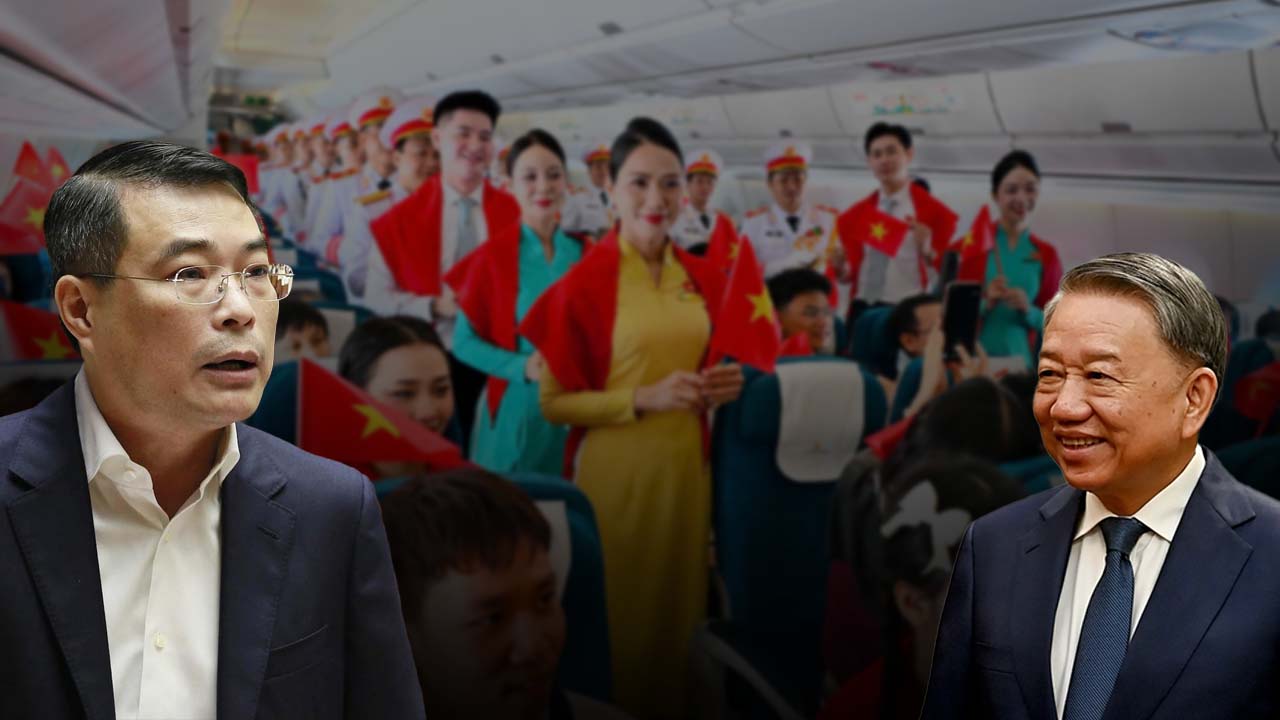
Am 1. September 2026 berichteten die staatlichen Medien einhellig über den Flug VN245 der Vietnam Airlines, bei dem sich der Flugzeuginnenraum in 10.000 Metern Höhe in eine Bühne verwandelte, auf der die Militärparade-Truppe revolutionäre Lieder vortrug und die Teilnehmerinnen der Miss-Vietnam-Wahl 2026 auftraten.

Diese in leuchtendem Rot erstrahlenden Bilder wurden als Symbol für den nationalen Stolz anlässlich des Nationalfeiertags beschrieben.

Dieses Ereignis löste zudem eine tiefgreifende Diskussion über die Grenze zwischen echtem Patriotismus und rein formalen Äußerungen aus.

Der berühmte Ausspruch des Philosophen Samuel Johnson aus dem Jahr 1775, wonach „Patriotismus ist die letzte Zuflucht der Schurken“, liefert eine tiefgründige kritische Perspektive.

Der Philosoph Johnson leugnet nicht den hohen Wert des Dienstes am Vaterland, sondern warnt vor jenen, die den Patriotismus als Deckmantel nutzen, um ihren Mangel an Moral oder Talent zu verschleiern.


Im neuen Zeitalter und vor dem Hintergrund der heutigen gesellschaftlichen Führung weisen Beobachter auf die Risiken hin, wenn der Patriotismus zum Schutzschild für Verfehlungen, Korruption oder die autoritäre Herrschaft der Kommunistischen Partei Vietnams (CPV) gemacht wird.


Dementsprechend hat jede Gleichsetzung von Heimat- und Vaterlandsliebe mit absoluter Loyalität gegenüber allen Politiken der Partei und des Staates dazu geführt, dass viele konstruktive kritische Stimmen leicht als feindliche Kräfte oder als unpatriotisch abgestempelt werden.

Das Phänomen, dass Gruppen von Meinungsmachern im Internet derzeit den „Nationalismus“ ausnutzen, um Menschen mit abweichenden Ansichten ohne rechtliche Grundlage zu diffamieren und anzugreifen, hat den Patriotismus zu einem extremistischen Phänomen gemacht.

Die öffentliche Meinung vertritt die Ansicht, dass Patriotismus im Wesentlichen mit Engagement und der Achtung vor dem Gesetz verbunden sein muss.


Es ist unerlässlich, dass alle Vietnamesen wachsam gegenüber Versuchen sind, den Patriotismus auszunutzen, um Mängel zu vertuschen und gesellschaftliche Kritik zu unterdrücken, damit eine gesunde Entwicklung des Landes gewährleistet ist.

Hong Linh – Thoibao.de

On August 24, 2026, the Vietnamese National Assembly issued a directive to “ensure that 100% of cases identified as showing signs of criminal activity are prosecuted for investigation in accordance with the law.” This is drawing particular attention from the public.

This move comes at a time when public opinion is engaged in a heated debate over the traffic accident involving Mr. Nguyen Sy Cuong. The case has become even more “sensitive” given that Mr. Cuong is a former National Assembly deputy.


Notably, following a news segment on VTV—which featured a series of analyses by legal experts on the transparency of the case’s resolution—the issue has once again reached a boiling point.

According to experts, it must be made clear that the National Assembly’s decision, as mentioned above, cannot be interpreted as a provision with immediate retroactive effect.

This is because criminal law always adheres to the principle of temporal applicability; therefore, a new resolution by the National Assembly cannot retroactively classify a past act as a crime in a manner that is detrimental to the suspect.


However, the case of Mr. Nguyen Sy Cuong raises a different legal issue. If the case was previously determined by prosecutorial authorities to show signs of a criminal offense but was subsequently handled in an “ambiguous” manner to exempt the suspect from criminal liability, is that an unlawful decision?

This is a crucial point that must be clearly distinguished from the concept of “retroactivity.” If the previous handling of the case was accurate, the competent authorities have no reason to change their decision simply due to public pressure.


Conversely, if there is evidence showing that the previous legal proceedings contained errors, intentionally omitted important details, or applied provisions inaccurately, then a review is legally required under current law—not simply because a new regulation has been issued.


According to experts, it is precisely in this regard that the accident involving Mr. Nguyen Sy Cuong is becoming a test of accountability for the entire judicial system.

However, the coincidence between the timing of the National Assembly’s issuance of the new resolution and the ongoing controversy does not mean that this document was written specifically for one individual.

Nevertheless, this coincidence has led the public to ask: Prosecutorial agencies must provide a clear explanation to the National Assembly and the public, and this is absolutely essential.

Society needs to know exactly how Mr. Cuong’s actions were determined, which provisions were applied, why he met the conditions for exemption from criminal liability, as well as the extent to which mitigating circumstances or the victim’s family’s opinions hold legal weight.

As long as this lack of transparency persists, it will quickly be filled with speculation and rumors.

Conversely, a comprehensive and convincing explanation from the competent authorities would provide a satisfactory answer based on the principle of holding the right person accountable for the right crime, while also ensuring that the innocent are not wrongfully accused.


If the review process uncovers misconduct, correcting those errors is also a necessary step to demonstrate the system’s integrity.

A progressive judicial system is not one that is perfect and never makes mistakes, but rather one that has sufficient mechanisms to detect, disclose, and correct errors.

In short, what the public expects following the National Assembly’s Resolution is not merely whether Mr. Nguyen Sy Cuong will be indicted or not.

The bigger question lies in how law enforcement agencies will demonstrate that the principle “100% of cases showing signs of criminal activity must be prosecuted” is applied consistently, regardless of the suspect’s status.


However, it would be more persuasive if the National Assembly requested a full report on the case file to address public concerns and treated this as a test case for implementing the new resolution.

Tra My – Thoibao.de

 

Nguyễn Duy Ngọc: — “tại sao đồng chí không làm?” Câu hỏi tưởng đơn giản nhưng lại chạm đúng một nghịch lý dai dẳng trong quản trị: cán bộ làm sai thì bị kiểm tra, vậy cán bộ có chức trách nhưng không làm thì sao? Tại Hội nghị toàn quốc ngày 3/9, Trưởng Ban Tổ chức Trung ương Nguyễn Duy Ngọc đặt vấn đề phải thay đổi cách nhìn về trách nhiệm, trong đó “không làm cũng phải chịu trách nhiệm”. Nghe qua tưởng là một câu hỏi, nhưng phía sau lại là cả bài toán về hiệu quả của bộ máy.

Điểm đáng chú ý là ông Ngọc phân biệt giữa người có động cơ trong sáng nhưng vướng rào cản pháp lý với người “sợ sai” rồi chọn cách đứng yên. Với trường hợp thứ nhất, cần tháo gỡ và bảo vệ; với trường hợp thứ hai, trách nhiệm phải được xem xét nghiêm khắc. Bởi nếu người dám quyết định luôn đối mặt rủi ro, còn người chọn im lặng lại có thể “an toàn”, thì nghịch lý ấy chẳng khác nào khuyến khích bộ máy đi chậm để khỏi… mắc lỗi. Câu hỏi “tại sao không làm?” vì thế trở thành phép thử đối với tinh thần trách nhiệm.

Nhưng muốn chấm dứt trì trệ, chỉ yêu cầu cán bộ “dám làm” có lẽ chưa đủ. Cần ranh giới rõ ràng giữa quyết định thiện chí và hành vi vụ lợi, giữa sai sót trong thực thi và né tránh trách nhiệm; đồng thời phải có cơ chế bảo vệ người làm đúng. Nếu không, khẩu hiệu chống “sợ sai” rất dễ biến thành một vòng lặp mới: cấp trên thúc giục, cấp dưới lo ngại, hồ sơ tiếp tục nằm trên bàn. Cuối cùng, điều người dân quan tâm không phải cán bộ nói hay đến đâu, mà là công việc thuộc trách nhiệm của ai thì bao giờ được giải quyết.

https://www.facebook.com/share/p/1G6QdXYRGZ/