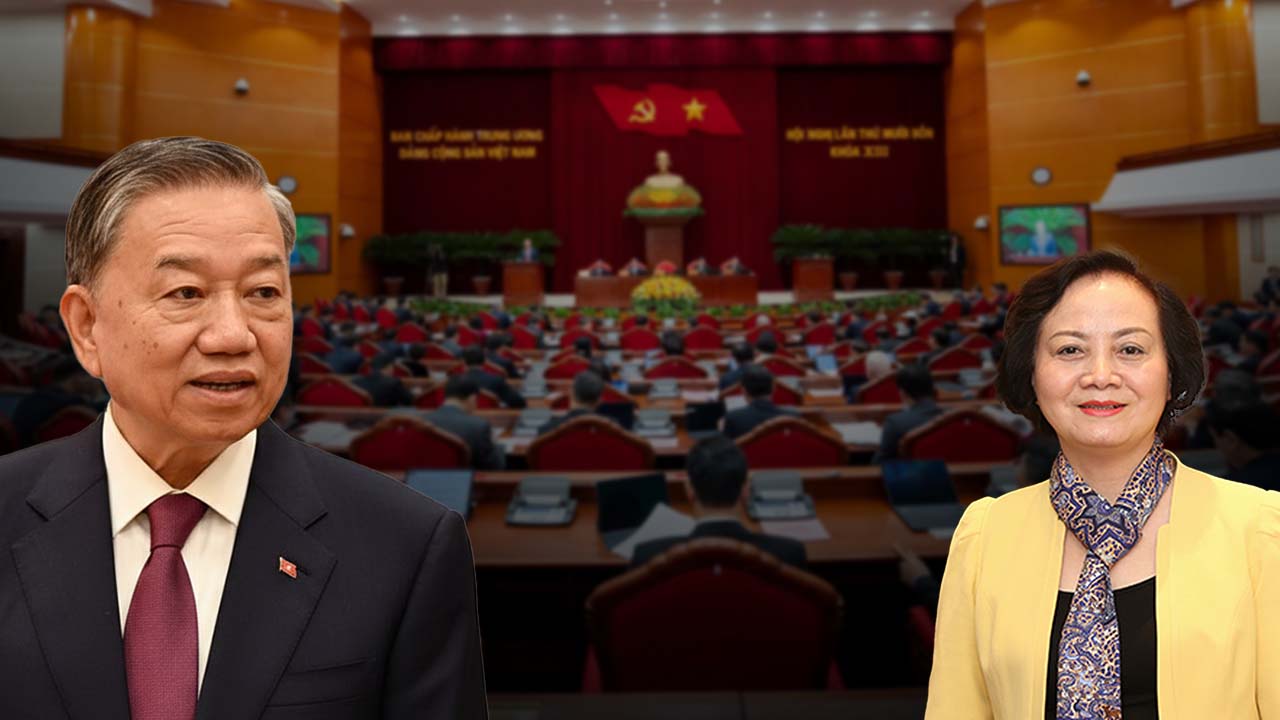
Theo giới chuyên gia, có những việc của một quốc gia có thể làm rồi sửa. Nhưng cũng có những việc, một khi đã làm, cái giá của việc sửa lại có thể vô cùng lớn.

Sắp xếp lại hệ thống hành chính cấp tỉnh, bỏ cấp huyện, tổ chức lại chính quyền địa phương và bố trí lại một bộ máy với hàng vạn cán bộ, công chức là một việc như thế. 

Theo Tiến sĩ Nguyễn Ngọc Chu, trong vòng 5 năm qua, hệ thống hành chính tại Việt Nam đã trải qua những đợt sắp xếp, sáp nhập quy mô lớn chưa từng có, nhưng làn sóng xáo trộn địa giới vẫn chưa có dấu hiệu dừng lại. 

Đáng chú ý là, chủ trương bỏ cấp huyện và sáp nhập tỉnh được triển khai từ đầu năm 2025 đến giữa năm 2026, đưa đơn vị cấp xã có quy mô tương đương gần như với cấp huyện cũ.

Tuy nhiên, ngay cả khi vừa hoàn thành cuộc “sắp xếp lại giang sơn” này, Bộ Nội vụ lại tiếp tục đưa 705 phường xã vào diện phải rà soát sáp nhập tiếp. 

Câu hỏi đặt ra là vì sao các đơn vị này không được xử lý dứt điểm ngay từ đầu, và liệu trong 5 năm tới, các đợt sáp nhập có còn tiếp diễn khi thiếu vắng những luận cứ khoa học về tiêu chí diện tích và dân số?

Không thể phủ nhận rằng mô hình chính quyền địa phương hai cấp mang lại một số kết quả ban đầu như: giảm tầng nấc trung gian, rút ngắn quy trình ra quyết định, và tạo điều kiện thuận lợi cho việc thống nhất dữ liệu chuyển đổi số. 

Cũng như, việc tăng thẩm quyền cho cấp xã về đất đai, xây dựng hay đầu tư quy mô nhỏ giúp người dân xử lý một số thủ tục ngay tại đơn vị cơ sở.

Tuy nhiên, những bất cập và hệ lụy phát sinh lại đang hiện hữu rõ rệt, và đe dọa sự ổn định cho sự phát triển bền vững. 

Vẫn theo Tiến sĩ Nguyễn Ngọc Chu, việc xóa bỏ cấp huyện đã đẩy khối lượng công việc khổng lồ xuống cấp xã, trong khi lực lượng cán bộ cơ sở vừa thiếu hụt về số lượng vừa hạn chế về năng lực chuyên môn, dẫn đến tình trạng nguy cơ sai sót tăng. 

Khi cấp tỉnh rơi vào tình trạng quá tải nghiêm trọng do phải trực tiếp quản lý trung bình trên dưới 100 xã, phường, thậm chí những đô thị lớn như TP. Hồ Chí Minh phải quản lý tới 168 đơn vị. 

Khoảng cách địa lý xa xôi cùng số lượng đầu mối quá lớn khiến công tác kiểm tra, giám sát từ cấp tỉnh xuống đến đơn vị cơ sở bị suy giảm chất lượng rõ rệt.

Đáng chú ý, các nhu cầu phát triển kinh tế do cấp huyện đảm nhiệm trước đây nay rơi vào “khoảng trống” quản lý, do một xã đơn lẻ không đủ năng lực giải quyết còn cấp tỉnh lại quá chậm trễ do ở quá xa. 

Đối với người dân, những dịch vụ hành chính khi bị chuyển lên cấp tỉnh quản lý đòi hỏi thời gian di chuyển và chờ đợi sẽ kéo dài hơn rất nhiều. 

Bên cạnh đó, bài toán xáo trộn nhân sự, giải quyết chế độ cho cán bộ dôi dư và xử lý tài sản công sở lãng phí, đang tiêu tốn nguồn ngân sách khổng lồ nhưng vẫn không có hồi kết.

Cuộc cải cách này của ông Tô Lâm đang vấp phải những khiếm khuyết nghiêm trọng. Cấu trúc nhà nước mới khiến quyền lực tập trung quá lớn vào trung ương, sẽ hạn chế tính tự chủ của địa phương. 

Đồng thời, cơ chế song trùng lãnh đạo giữa trung ương và cấp xã khiến chuỗi điều hành hành chính dễ rơi vào tình trạng chồng chéo.

Nghiêm trọng hơn là hiện tượng “nông thôn hóa” quản trị đô thị, khi các phường trung tâm kinh tế sầm uất bị cào bằng về định viên và thẩm quyền với các xã nông thôn thuần túy. 

Chưa hết, việc xé nhỏ các đô thị trực thuộc tỉnh cũ thành những phường độc lập đã làm đứt gãy tính liên kết quy hoạch vùng, làm mất đi động lực cạnh tranh phát triển kinh tế của thành phố. 

Nói tóm lại việc “sắp xếp lại giang sơn”, nếu chỉ dừng lại ở việc cắt giảm con số cơ học để làm mầu mà không thay đổi tư duy quản lý, thì sẽ khó thoát khỏi vòng lặp thắt nút cổ chai ở cấp tỉnh và nghẹt thở ở cấp xã như đã thấy trong thời gian vừa qua.

Trà My – Thoibao.de 
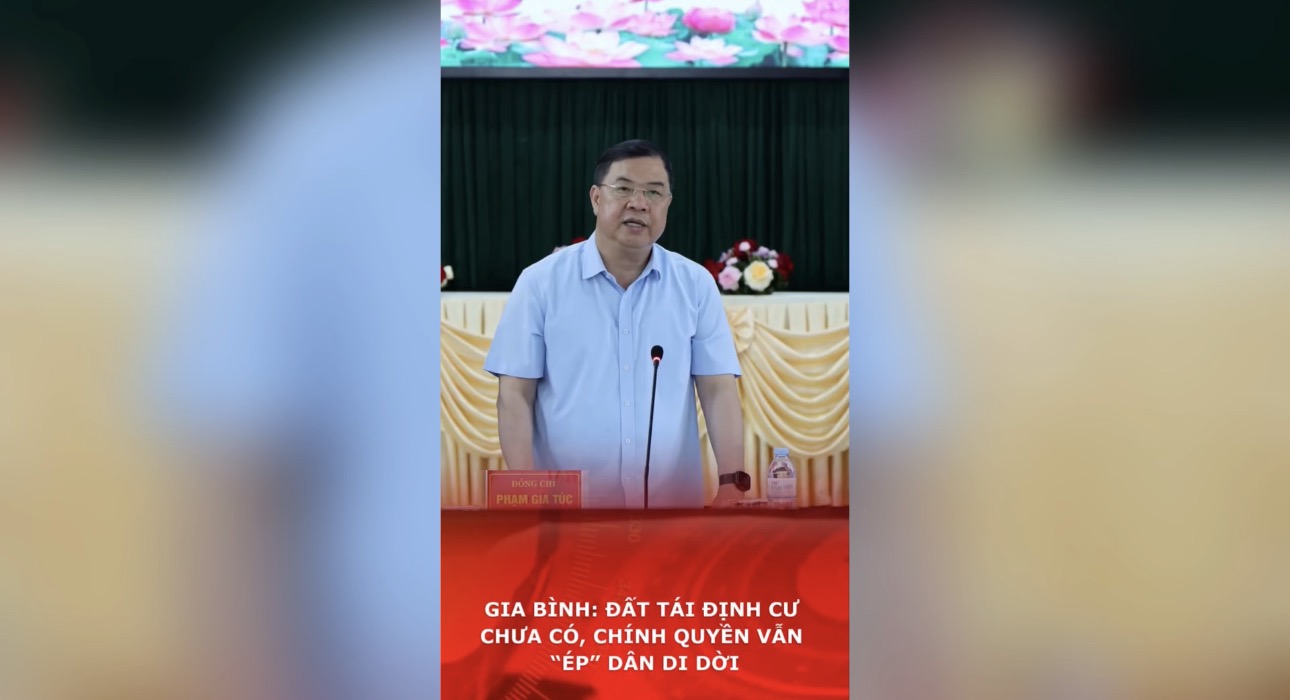
Según la información facilitada, las actividades de relleno y construcción a gran escala en el arrecife Hải Sâm, perteneciente al archipiélago de Hoàng Sa, parecen haberse acelerado desde finales de 2025, mientras que la reacción oficial de Vietnam no se mencionó hasta marzo de 2026, tras las noticias difundidas por los medios internacionales. A finales de agosto, cuando se estimaba que las obras habían avanzado considerablemente, la pregunta resultaba aún más difícil de eludir: si la soberanía es una cuestión de vital importancia, ¿por qué la reacción parece llegar siempre después de lo que ya ha ocurrido sobre el terreno?

Además del Mar del Este, también surgen continuamente debates sobre la propiedad de la tierra, la expropiación y los derechos de la población en el país. Ese contraste tiende a crear una amarga paradoja a los ojos de la opinión pública: en el mar, la población espera una postura lo suficientemente firme; en tierra firme, muchos esperan un mecanismo lo suficientemente justo para proteger sus derechos. Por un lado, está la cuestión de la soberanía nacional; por otro, la confianza de la población en el Gobierno —ninguna de las dos puede resolverse únicamente con unas cuantas declaraciones.

La diplomacia puede requerir calculos, pero el tiempo sobre el terreno no espera. Si realmente se están llevando a cabo actividades de construcción, lo que la opinión pública necesita es información transparente: ¿desde cuándo lo sabe Vietnam?, ¿a través de qué canales se ha opuesto y qué medidas tomará a continuación? La soberanía no se limita a las declaraciones, al igual que la justicia no se limita a los eslóganes. Cuando la población se ve obligada a preguntarse constantemente «¿qué está haciendo el Gobierno?», eso ya es una señal de que se necesitan más que explicaciones genéricas.

https://www.facebook.com/share/v/1BdZRpqiF8/

À partir de juillet 2027, il est proposé que Ho Chi Minh-Ville mette en place une zone à faibles émissions, comprenant notamment des mesures visant à limiter la circulation des véhicules fonctionnant aux combustibles fossiles dans le centre-ville. L’objectif de réduction de la pollution mérite d’être discuté, mais avec des dizaines de milliers de personnes qui dépendent de leur motocyclette pour gagner leur vie, une question se pose immédiatement : qui assumera les coûts de cette transition? Une vieille motocyclette peut représenter le seul moyen de subsistance d’une famille; ce n’est pas un objet que l’on peut changer du jour au lendemain sur un coup de tête.

Ce qui inquiète davantage les citoyens, c’est la rapidité avec laquelle les politiques évoluent. Récemment, l’essence E10 a été mise en place dans le but de réduire les émissions et d’encourager l’utilisation des biocarburants. Aujourd’hui, une nouvelle proposition vise à restreindre la circulation des véhicules à essence dans le centre-ville. Si les véhicules à essence finissent par être interdits, les citoyens ne pourront s’empêcher de penser qu’on leur a d’abord encouragé de suivre une voie, puis qu’on leur demande de faire demi-tour. Qu’en est-il alors de la moto qui roule actuellement et du réservoir d’essence rempli hier?

La transition vers une mobilité verte n’est pas une mauvaise chose, mais pour que les citoyens y adhèrent, il faut un plan d’action réalisable : des transports en commun de qualité suffisante, un réseau de bornes de recharge suffisamment étendu, des mesures de soutien suffisamment concrètes et, surtout, du temps pour que les personnes à faible revenu puissent s’adapter. Si ces questions ne sont pas résolues et que l’on se contente d’imposer davantage de restrictions et de sanctions, la « mobilité verte » risque fort de se transformer en une facture verte à la charge des citoyens. L’objectif de la ville de réduire les émissions est louable; mais il ne faut pas que les citoyens aient à soupirer devant les coûts avant même d’avoir pu respirer de l’air pur.

https://www.facebook.com/share/p/19dwSAh93F/

보고된 바에 따르면, 두 건의 교통사고에는 주목할 만한 공통점이 있다. 운전자가 차선을 위반한 혐의를 받았고, 그 결과 모두 사망 사고로 이어졌으며, 동시에 양형 감경 사유가 있었고 피해자 유가족이 고소를 취하했다. 그러나 두 사람의 법적 결말은 달랐다. 한 사람은 징역형을 선고받은 반면, 다른 한 사람은 형사 책임 추궁을 면제받았다. 이 차이는 대중이 다음과 같은 의문을 제기하기에 충분할 만큼 크다: 같은 과실, 같은 희생인데, 왜 법적 운명이 이토록 다른가?

법은 당연히 증거와 구체적인 상황을 바탕으로 각 사건을 검토해야 한다. 몇 가지 유사점만 보고 두 판결이 꼭 똑같아야 한다고 결론지을 수는 없다. 하지만 바로 그렇기 때문에 수사 및 사법 기관은 어떤 요소들이 차이를 만들어냈는지—과실의 정도, 사건의 정황, 인과관계, 혹은 어떤 법적 근거가 상반된 두 결과를 초래했는지—를 명확히 설명해야 한다.

왜냐하면 국민들이 가장 두려워하는 것은 엄중한 판결이 아니라, 재판대에 선 사람에 따라 정의가 달라질 수 있다는 느낌이기 때문이다. 만약 두 사건이 본질적으로 정말로 다르다면, 모든 사람이 이해할 수 있도록 그 이유를 공개해야 한다. 반면, 그 차이점만으로는 두 가지 결말을 설명하기에 충분하지 않다면, 법 앞의 평등에 대한 의문은 더욱 뼈아프게 다가올 것이다. 정의는 올바를 뿐만 아니라, 국민들이 그것이 모든 사람에게 동등하게 적용된다고 믿을 수 있을 만큼 충분히 투명해야 한다.

https://www.facebook.com/share/v/1FNDeZxyTp/

ผู้อยู่อาศัยหลายพันคนที่ได้รับผลกระทบจากโครงการสนามบินเกียบิงกำลังเผชิญกับภาวะกลืนไม่เข้าคายไม่ออกที่ขัดแย้งกัน: ที่อยู่อาศัยใหม่ของพวกเขายังไม่แน่นอน ที่ดินสำหรับย้ายถิ่นยังไม่ได้รับการส่งมอบ และตามรายงานของผู้อยู่อาศัย ยังมีกรณีที่ยังไม่ได้รับค่าชดเชยครบถ้วน แต่พวกเขาก็ยังคงถูกเร่งให้ย้ายออกจากบ้านภายในกำหนดเวลา คำถามที่ดูธรรมดาๆ นี้กลับกลายเป็นเรื่องที่ตอบได้ยากขึ้นทันที: หากพวกเขาต้องย้ายออกวันนี้ ผู้อยู่อาศัยจะไปอยู่ที่ไหน?

Screenshot

โครงการใหญ่ๆ อาจต้องการความก้าวหน้า แต่ชีวิตของประชาชนไม่ใช่เพียงเส้นบนตารางเวลาที่จะถูกขีดออกเมื่อถึงกำหนดเวลา ในหลักการ การย้ายถิ่นฐานต้องตอบสนองความต้องการด้านที่อยู่อาศัยและสิทธิของผู้ที่ที่ดินถูกเวนคืน หากต้องย้ายออกจากบ้านเดิมก่อนที่ที่อยู่อาศัยใหม่จะพร้อมใช้ ภาระก็จะถูกย้ายจากโครงการมาตกอยู่บนบ่าของประชาชน

ในกรณีเช่นนี้ “การส่งมอบพื้นที่” อาจฟังดูเรียบง่ายบนกระดาษ แต่เบื้องหลังนั้นอาจมีทั้งครอบครัวที่ไม่รู้ว่าจะนอนที่ไหนในวันพรุ่งนี้

สิ่งที่ประชาชนต้องการไม่ใช่ข้อเรียกร้องเร่งด่วน แต่เป็นคำตอบที่ชัดเจน: ที่ดินสำหรับจัดตั้งชุมชนใหม่อยู่ที่ไหน เมื่อไหร่จะส่งมอบ เมื่อไหร่จะจ่ายเงินชดเชย และใครจะรับผิดชอบหากไม่ปฏิบัติตามกำหนดเวลา? การพัฒนาสมัยใหม่ไม่สามารถสร้างขึ้นได้โดยทิ้งผู้ที่สละที่ดินของตนให้ต้องอยู่ในสภาพไม่แน่นอน เพราะก่อนที่จะถามว่า ‘เมื่อไหร่ผู้อยู่อาศัยจะถูกย้ายไป?’ บางทีเราควรถามคำถามที่เรียบง่ายกว่า: ‘มีสถานที่เตรียมไว้ให้พวกเขาไปอยู่หรือยัง?’

https://www.facebook.com/share/v/1HJSCGb6bL/

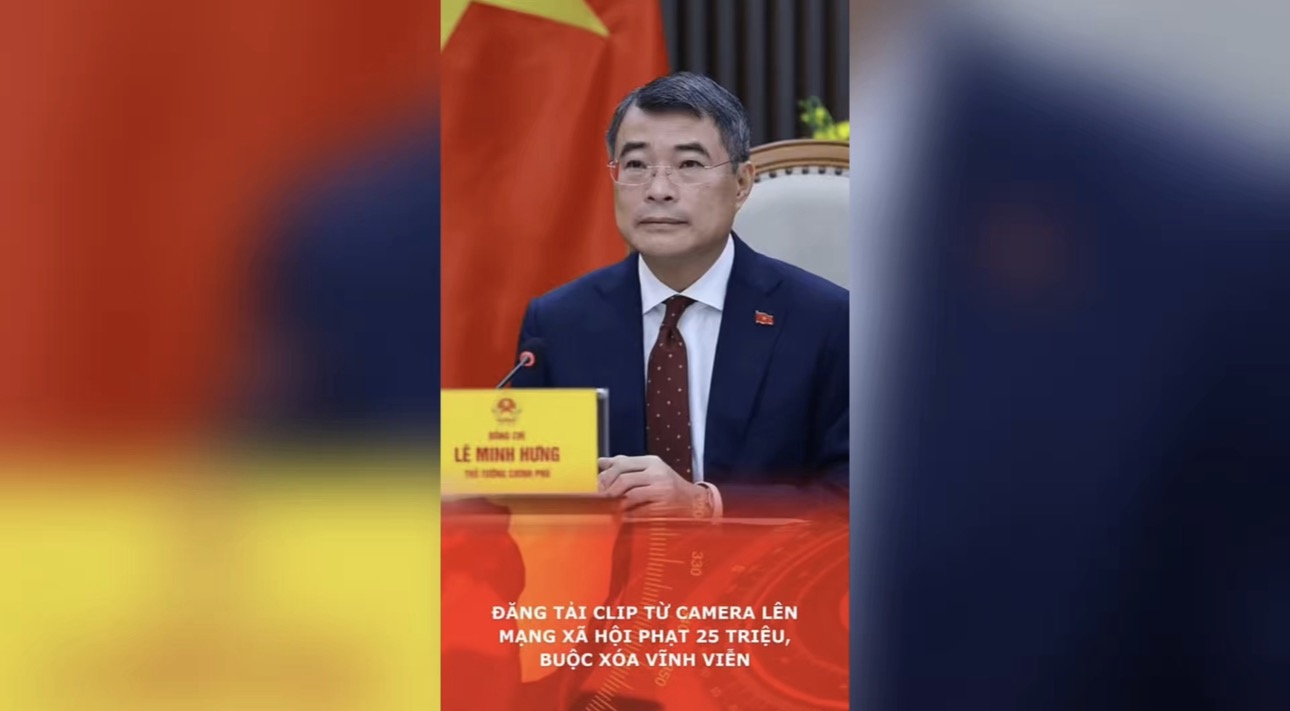
もともと家の防犯のために設置されたカメラが、今やプライバシーと情報の公開の境界線について多くの人々に疑問を抱かせている。政令第330/2026/NĐ-CP号の規定によれば、公共の場で録音・録画されたデータを無断で抽出、共有、公開する行為は、個人に対して最大2500万ドンの罰金が科されるほか、規定に基づきデータの削除が強制される。

Screenshot

個人情報の保護は必要不可欠である。しかし、問題は「違法」という言葉にある。カメラが不正の兆候がある事件を記録した場合、市民は証拠を保全し、通報するために何をすべきなのか。公開すれば処罰される可能性がある中で、証拠の受理・保護の仕組みは、市民が自ら「やむを得ず調査者」になる必要がないほど、迅速かつ透明で信頼できるものなのだろうか。

スマートフォンはかつて、路上で起きた出来事にさらなる目撃者をもたらしてくれた。動画は、当事者の証言だけでは伝えきれない事態の経緯を明らかにするのに役立つ。したがって、カメラを単なるデータ上のリスク源として見るのではなく、一般市民が必要としているのは、どのような場合に禁止され、どのような場合に証拠の保全や提供が許可されるのか、誰が削除を要求する権利を持ち、市民にはどのような苦情申立の仕組みがあるのかを明確に規定することです。B なぜなら、プライバシーを保護したいがために市民が真実を記録することを恐れるようになれば、プライバシーと透明性のバランスを慎重に検討する必要があるからです。

https://www.facebook.com/share/p/167587iafXS/

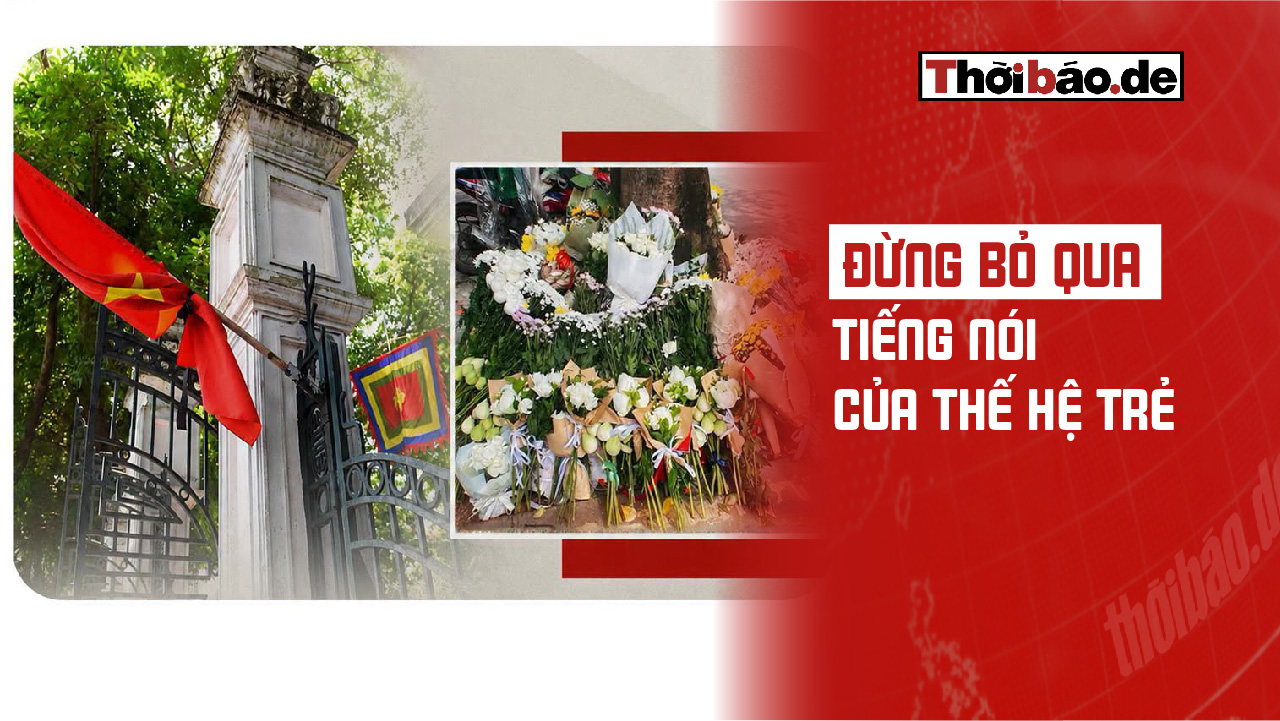
2026年8月中旬,當民眾被呼籲參加一場悼念鄰國領導人的儀式之際,社群媒體上卻湧現了一則截然不同的故事:許多年輕人帶著鮮花前往2025年5月30日女學生杜玉芳翠(Đỗ Ngọc Phương Thùy)不幸身亡的事故現場。一束花本無言,卻讓一個舊問題再度引發熱議:這起事件究竟查明了多少?

值得注意的並非誰在悼念誰,而在於關注焦點的差異。當年輕人主動前往某個地點獻花,並表達希望真相大白的願望時,這是一個不應被輕忽的社會訊號。因為年輕人不僅關注自上而下傳達的口號;他們更關心發生在自己身邊的故事,特別是在感到仍有未解之謎時。

一個自信的政府無需畏懼花束或質疑。人民所需要的,是一個透明的調查過程、明確的責任歸屬,以及平等適用的法律。如果年輕一代必須親自手持鮮花,來提醒世人他們仍渴望知道真相,那麼真正值得傾聽的,不該是社交媒體上的喧囂,而是政府希望民眾關注的議題,與民眾真正關心的議題之間,那道正不斷擴大的鴻溝。

https://www.facebook.com/share/p/1GafNaMHBQ/

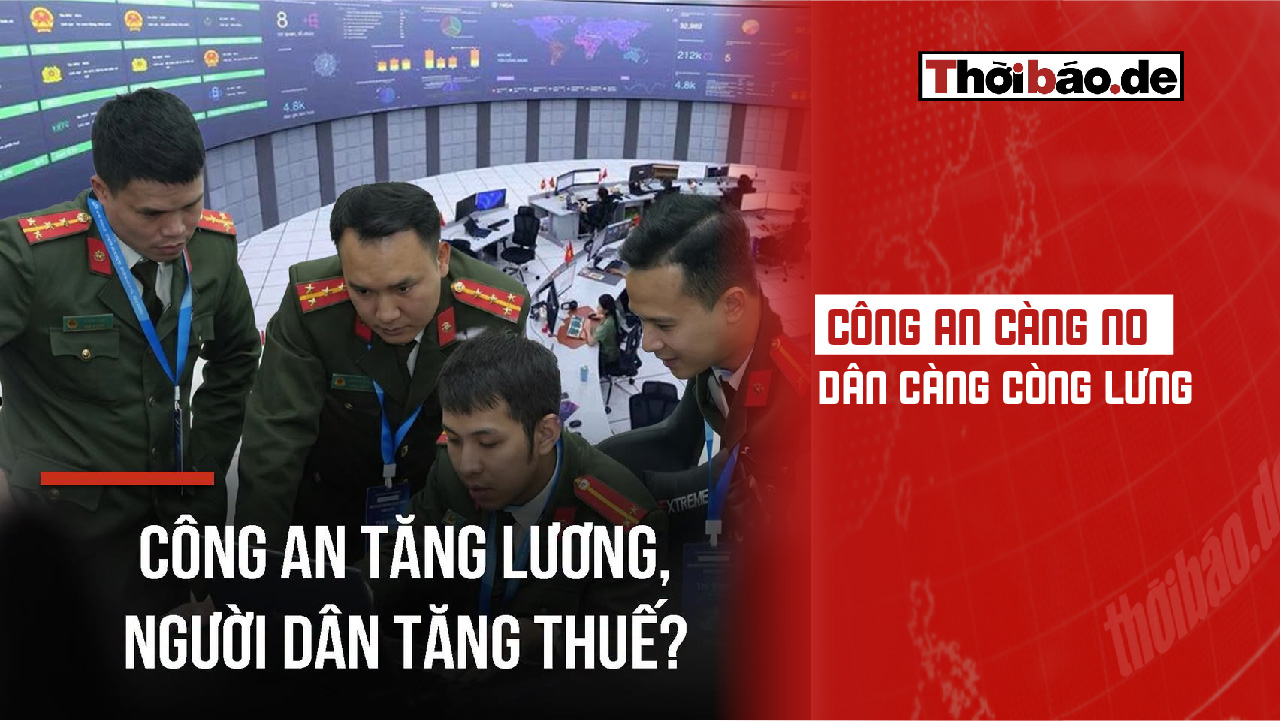
Постановление № 329/2026 было принято и вступило в силу 19 августа; согласно его положениям, сотрудники служб кибербезопасности могут получать дополнительную надбавку в размере до 300 % от оклада в зависимости от служебных заслуг. Эта цифра достаточно поразительна для обычного работника: чтобы увеличить доход на несколько процентов, многим приходится работать сверхурочно или брать дополнительную работу; а вот надбавка в размере сотен процентов закреплена официальным документом. Сразу же возникает вопрос: откуда берутся эти деньги?

Примечательно, что информация об этом постановлении, как утверждается, уже появлялась на некоторых государственных СМИ, но вскоре была удалена. Если документ действительно вступит в силу, общественность тем более имеет право знать его содержание, сферу применения и причины изменения информации. Государственный бюджет — это не тайный кошелек: средства, выделяемые на любую политику, в конечном итоге связаны с ресурсами, которые вносит общество.

Поэтому стоит обсудить не то, что увеличение поддержки какой-либо группы автоматически является ошибкой. Проблема заключается в том, что критерии должны быть прозрачными, результаты должны быть четко определены, а расходование бюджета — обосновано. Если граждане вынуждены затягивать пояса, в то время как государственные расходы растут без предоставления четкой информации, ощущение несправедливости неизбежно. Ведь в конечном счете вопрос очень прост: зарплата может вырасти на 300 %, но увеличится ли соответственно и подотчетность?

https://www.facebook.com/share/p/14ma6vAGEHG/

Die vietnamesische Regierung hat sich zum Ziel gesetzt, bis zum Jahr 2030 zwei Millionen aktive Unternehmen zu haben, und Start-ups gelten als wichtiger Motor der Wirtschaft. Für gescheiterte Unternehmen ist es jedoch äußerst schwierig, sich vom Markt zurückzuziehen.

Es ist ein Paradoxon: Obwohl ein Unternehmen seit vielen Jahren nicht mehr tätig ist, keine Umsätze erzielt und keine Rechnungen ausstellt, muss es dennoch eine Reihe ausstehender Verpflichtungen erfüllen, um sich offiziell auflösen zu können.

Nach Angaben von Unternehmern gibt es Firmen, die bereits seit fünf bis sieben Jahren oder sogar noch länger „geschlossen“ sind, aber dennoch aufgefordert werden, die über viele Jahre aufgelaufenen Steuererklärungen nachzureichen. In manchen Fällen beläuft sich der zu zahlende Betrag auf mehrere hundert Millionen Dong.

Die Steuerbehörden greifen zudem auf Verwaltungsmaßnahmen zurück oder verhängen Ausreiseverbote für Vertreter oder Unternehmensinhaber, die ihre Steuerpflichten noch nicht erfüllt haben.

Dieses Instrument übt erheblichen Druck aus, um die Steuerzahler zur Klärung ihrer Angelegenheiten zu zwingen, wirft jedoch auch Fragen hinsichtlich der Vorgehensweise gegenüber Unternehmen auf, die ihre Geschäftstätigkeit tatsächlich schon seit langem eingestellt haben.

Warum kann es bei einem Unternehmen, das seit vielen Jahren nicht mehr tätig ist, dazu kommen, dass sich Verwaltungsauflagen und Geldstrafen so weit anhäufen, dass der Unternehmer nicht mehr in der Lage ist, diese zu begleichen?

Wenn die Aufsichtsbehörde feststellt, dass ein Unternehmen nach sechs Monaten oder einem Jahr nicht mehr tätig ist, warum verfügt der Staat dann nicht über einen Mechanismus zur Frühwarnung und zur Anleitung bei der Erledigung der Formalitäten, anstatt Verstöße über viele Jahre hinweg andauern zu lassen und erst dann dagegen vorzugehen?

Dies wirft eine schwierige Frage auf: Die Unternehmensführung besteht nicht nur darin, Unternehmen beim Markteintritt zu kontrollieren, sondern muss auch einen angemessenen „Ausweg“ bieten, wenn sie geschäftlich scheitern.

Wenn der Markteintritt vom Staat gefördert wird, der Rückzug aber, wie gerade beschrieben, zu kostspielig ist, entsteht ein äußerst ungünstiges Geschäftsumfeld.

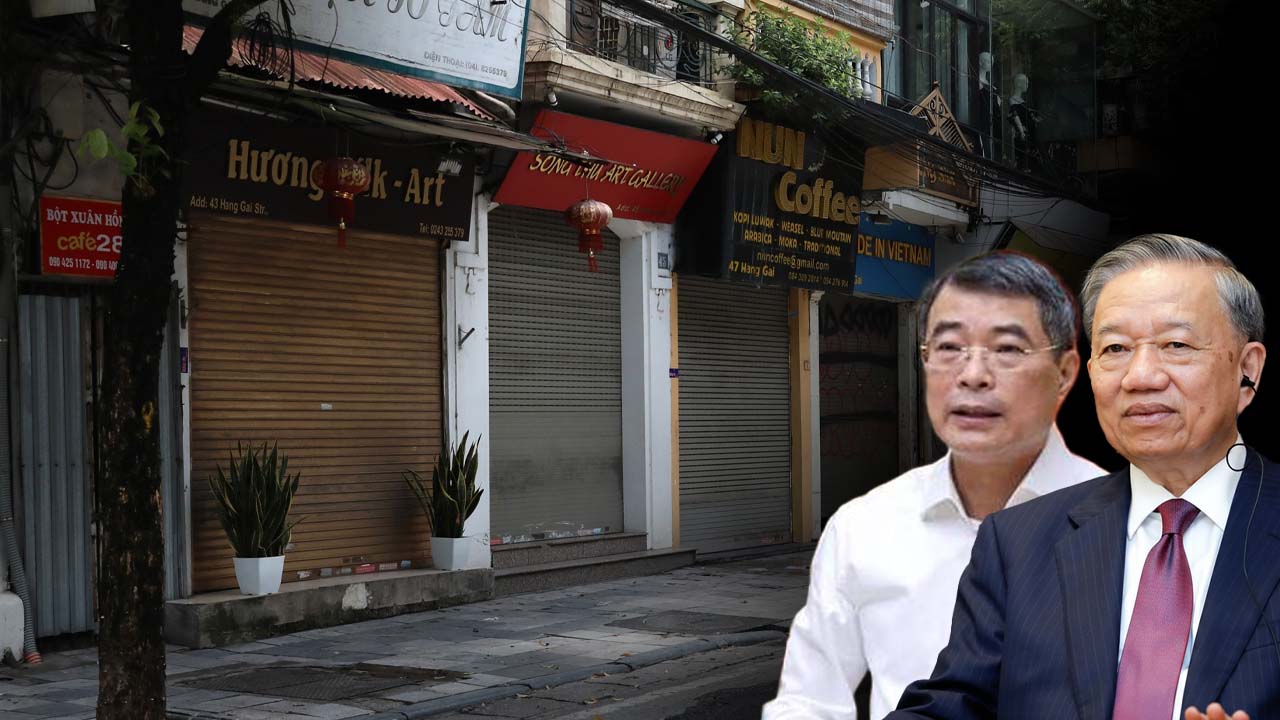
Denn ein gescheitertes Unternehmen dazu zu zwingen, „wieder zum Leben zu erwachen“, nur um eine Geldstrafe zu zahlen, bevor es „sterben“ darf, widerspricht der Zusage von Premierminister Lê Minh Hưng, den Unternehmen zur Seite zu stehen.

Hồng Lĩnh – Thoibao.de

According to experts, there are things a country can do and then correct. But there are also things where, once done, the cost of correcting them can be enormous.

Restructuring the provincial-level administrative system, abolishing the district level, reorganizing local governments, and realigning a bureaucracy comprising tens of thousands of officials and civil servants is one such undertaking.


According to Dr. Nguyen Ngoc Chu, over the past five years, Vietnam’s administrative system has undergone unprecedented large-scale reorganizations and mergers, yet the wave of territorial boundary changes shows no signs of abating.


Notably, the policy to abolish the district level and merge provinces—set to be implemented from early 2025 through mid-2026—will result in commune-level units having a scale nearly equivalent to that of the former districts.

However, even as this “redrawing of the administrative map” is just being completed, the Ministry of Home Affairs has already identified 705 communes and wards for further review and potential merger.


This raises the question of why these units were not resolved definitively from the outset, and whether, in the next five years, further rounds of mergers will continue in the absence of scientific justifications regarding criteria for area and population.

It cannot be denied that the two-tier local government model has yielded some initial results, such as reducing intermediate levels, shortening decision-making processes, and facilitating the standardization of data for digital transformation.

Similarly, granting communes greater authority over land, construction, and small-scale investment allows residents to handle certain procedures directly at the grassroots level.

However, the shortcomings and resulting consequences are becoming increasingly evident and threaten the stability of sustainable development.

According to Dr. Nguyen Ngoc Chu, the abolition of the district level has shifted a massive workload down to the commune level, while the grassroots administrative staff is both insufficient in number and limited in professional capacity, leading to an increased risk of errors.


Provincial-level authorities are severely overburdened, as they must directly manage an average of around 100 communes and wards; even large cities like Ho Chi Minh City must manage as many as 168 administrative units.

The vast geographical distances and the sheer number of administrative units have caused a marked decline in the quality of inspection and oversight from the provincial level down to the grassroots level.

Notably, economic development needs—which were previously handled by the district level—now fall into a management “vacuum,” as a single commune lacks the capacity to address them, while the provincial level is too slow to respond due to the great distance involved.


For citizens, administrative services that have been transferred to provincial-level management now require significantly longer travel times and waiting periods.

In addition, the challenges of personnel reshuffling, resolving the status of surplus officials, and addressing the wasteful use of public assets are consuming enormous amounts of the budget yet show no signs of resolution.

This reform initiative by Mr. To Lam is encountering serious flaws. The new state structure concentrates too much power at the central level, which will limit local autonomy.

At the same time, the dual leadership mechanism between the central government and the commune level makes the administrative chain prone to overlap.

Even more serious is the phenomenon of “ruralization” in urban governance, where bustling economic districts are treated on par with purely rural communes in terms of staffing and authority.


Furthermore, the fragmentation of cities formerly under provincial jurisdiction into independent wards has disrupted regional planning coherence and sapped the city’s competitive drive for economic development.


In short, the “reorganization of the country,” if it stops at merely reducing numbers mechanically for show without changing the mindset of management, will find it difficult to escape the cycle of bottlenecks at the provincial level and suffocation at the commune level, as has been seen in recent times.

Trà My – Thoibao.de