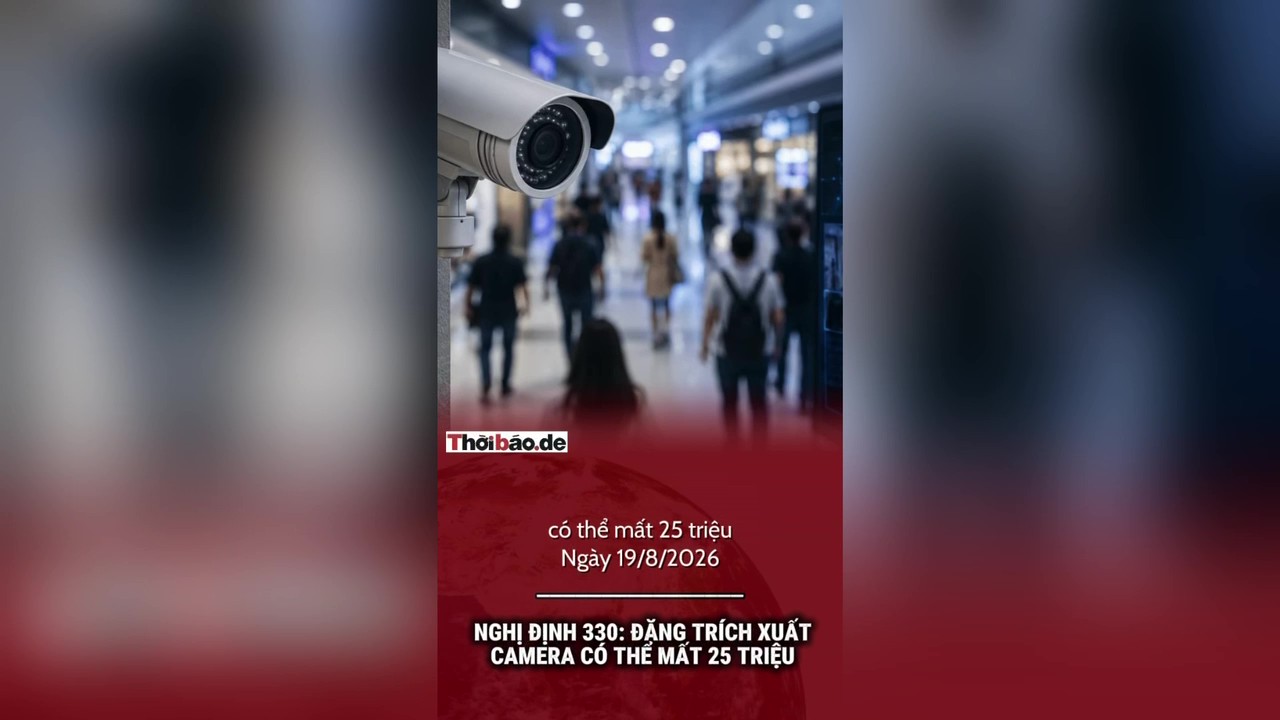
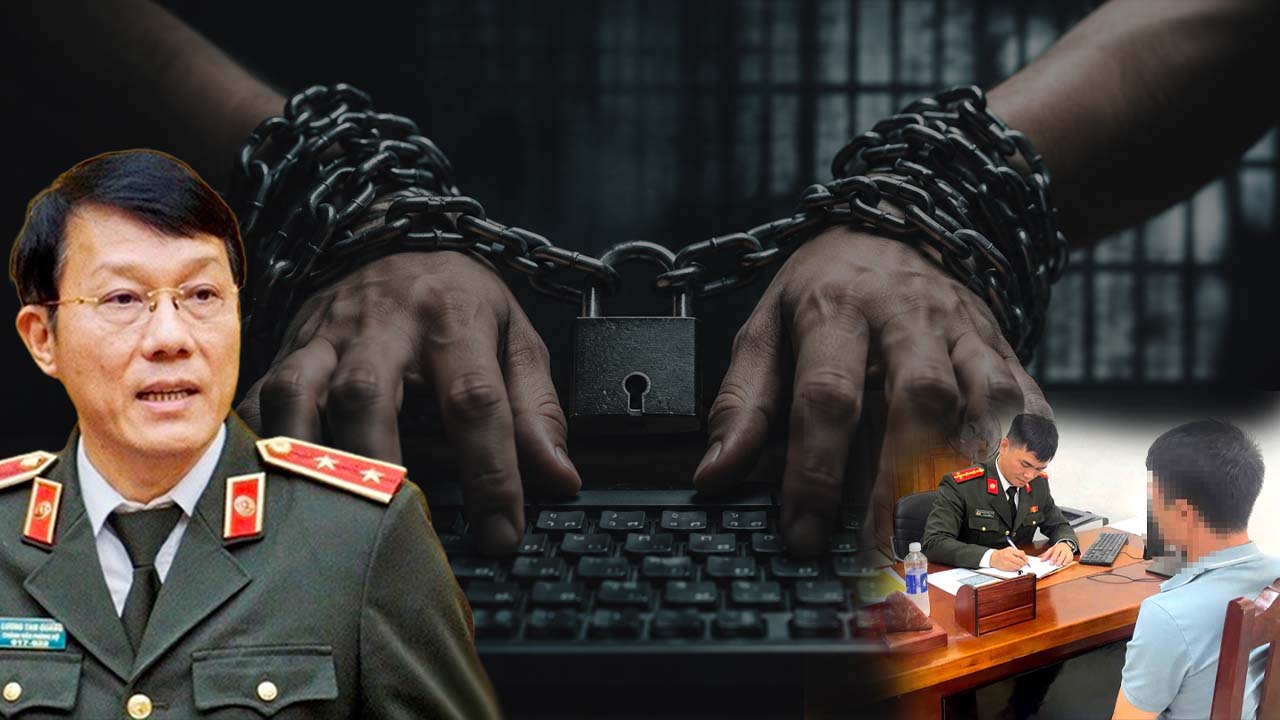
El 19 de agosto de 2026, el Gobierno promulgó el Decreto 330/2026/NĐ-CP sobre sanciones administrativas en materia de seguridad cibernética y protección de datos personales. Cabe destacar que el texto entró en vigor el mismo día de su promulgación. Según lo establecido, la letra b) del apartado 2 del artículo 71 tipifica como infracción la «extracción, difusión o divulgación indebida de grabaciones de audio o vídeo realizadas en lugares públicos», lo que puede acarrear multas de entre 15 y 25 millones de dongs para las personas físicas y de entre 30 y 50 millones de dongs para las personas jurídicas.

La protección de los datos personales es necesaria. Pero enseguida surge una pregunta muy cotidiana: ¿qué se entiende por «ilícito»? ¿Se considera una infracción que una persona grabe lo que ocurre en un lugar público para obtener pruebas y luego lo comparta con el fin de dar a conocer los hechos? Si no se explica con suficiente claridad, el teléfono móvil, que en principio sirve para registrar la realidad, puede convertirse de repente en una «bomba» de multas.

Cuanto más directamente se refiera la legislación a los derechos de los ciudadanos, más clara y comprensible debe ser, y debe contar con mecanismos que protejan a los usuarios de buena fe. Nadie quiere que cada vez que pulse el botón «publicar» se convierta en una apuesta: ¿publicar para dar a conocer los hechos o firmar una multa de 25 millones? Si el Decreto 330 tiene por objeto proteger los datos, lo que el público necesita no son cifras de multas abrumadoras, sino respuestas transparentes sobre la línea divisoria entre la protección de la privacidad y el derecho a registrar y compartir información en beneficio del interés público.

https://www.facebook.com/share/v/19etuiDLkD/

Selon des informations tirées du journal *Người Việt*, dans la commune d’Ân Tường, dans la province de Gia Lai, une affaire soulève un paradoxe qui en amène plus d’un à s’interroger : les habitants, craignant que l’extraction de sable ne provoque des glissements de terrain, se sont mobilisés pour s’y opposer, mais ce sont finalement deux de ces opposants qui ont été arrêtés. Le 28 août, la police provinciale de Gia Lai a annoncé avoir inculpé et placé en détention provisoire Mme Trần Nguyễn Như Phượng et Mme Phạm Thị Minh Thu pour « trouble à l’ordre public ».

Selon les accusations des autorités, les deux femmes auraient « incité la population à manifester », installé des tentes et entravé les activités d’extraction de sable d’une entreprise sur la rivière Kim Sơn. Si ces allégations s’avèrent fondées, ces infractions à la loi doivent être traitées conformément à la réglementation. Mais une question importante demeure : quelle était la motivation initiale des habitants, le risque de glissement de terrain est-il réel et comment l’extraction de sable est-elle surveillée?

Une rive peut s’effondrer après seulement quelques saisons des pluies, mais une affaire judiciaire peut durer plusieurs années. C’est pourquoi, plutôt que de laisser les habitants se transformer eux-mêmes en « équipe d’inspection sur le terrain » pour finalement se retrouver pris dans les mailles de la justice, il est essentiel que les autorités rendent publiques les données relatives à l’extraction de sable, évaluent les impacts et déterminent les responsabilités de chacune des parties. Car si, lorsque les citoyens s’expriment sur les questions environnementales, la première réaction est de les menotter, alors la question la plus effrayante n’est pas « qui trouble l’ordre public? », mais : qui est réellement protégé sur ce fleuve?

https://www.facebook.com/share/v/1Heb3f4nSZ/

2026년 8월 27일, 파프반–카우지에–카오보–마이손–국도 45호선–의산 구간에서 차간 거리 미준수 위반에 대한 과태료 규정이 시범 시행되었으며, 첫날 13명의 운전자가 처분을 받았다. 교통 안전을 높이기 위한 규정이라는 점은 충분히 이해할 수 있다. 하지만 400만~600만 동에 달하는 벌금과 55m의 차간 거리 유지 요건으로 인해, 많은 운전자들이 의문을 제기하기 시작했다. 만약 앞차가 갑자기 급제동을 걸면 어떻게 되는가?

인터넷상에 운전자가 대처하기 어려운 상황을 의도적으로 유발하는 ‘미끼’에 대한 경고가 등장하면서 우려는 더욱 커지고 있다. 이것이 바로 논의해야 할 핵심이다. 만약 어떤 차량이 갑자기 앞을 가로막거나 속도를 줄이거나 위험한 상황을 유발한다면, 뒤따르는 운전자는 충돌을 피해야 할 뿐만 아니라 자신이 고의로 위반한 것이 아님을 증명해야 할 수도 있다. 계속 달리면 간격이 부족할까 걱정되고, 급제동을 하면 사고 위험이 있으며, 이의를 제기하면 산더미 같은 절차를 밟아야 할 수도 있다.

교통법규는 사고를 줄이기 위해 만들어진 것이지, 고속도로의 매 킬로미터를 운에 맡기는 시험장으로 만들기 위한 것이 아닙니다. 따라서 처벌 외에도, 고의적인 위반과 불가항력적인 상황을 명확히 구분하는 메커니즘을 마련하는 것이 중요하며, 증거가 있을 경우 고의로 함정을 설치하는 행위에 대해서는 엄중히 처벌해야 합니다. 운전자는 안전하게 목적지에 도착하기 위해 고속도로에 오르는 것이지, ‘앞차와 거리를 유지하고 있는 건지, 아니면 함정으로 돌진하고 있는 건지’를 자문하기 위해 오는 것이 아니기 때문이다.

https://www.facebook.com/share/p/1BTu11MSQB/

ในปี 2568 ข้อความจากผู้นำประเทศเวียดนามได้เน้นย้ำว่า การกำกับดูแลของรัฐต้องหลุดพ้นจากแนวคิด “หากควบคุมไม่ได้ ก็ห้ามไปเลย” และแทนที่ด้วยหลักนิติธรรม พร้อมปรับตัวให้สอดคล้องกับยุคสมัย
ฟังดูมีเหตุผลมาก แต่ถึงปลายเดือนสิงหาคม 2569 คำถามนี้ก็เกิดขึ้นอีกครั้ง: หากไม่เรียกว่า ‘การห้าม’ แล้วควรเรียกการจำกัดเนื้อหา บัญชี หรือคำค้นหาบางประเภทตามคำขอของรัฐบาลว่าอย่างไร? ‘การกำกับดูแลแบบนุ่มนวล’? ‘อย่าห้าม แต่อย่าให้ประชาชนเห็นด้วย’?


ปัญหาที่เรากำลังเผชิญอยู่ไม่ใช่เพียงว่าคำค้นหาเฉพาะถูกจำกัดหรือไม่ แต่เป็นเกณฑ์ใดที่ถูกนำมาใช้ เนื้อหาใดถูกจำกัด? ภายใต้บทบัญญัติกฎหมายใด? หน่วยงานใดเป็นผู้ร้องขอ? ประชาชนมีสิทธิที่จะร้องเรียนหรือทราบเหตุผลหรือไม่? หากเป้าหมายที่แท้จริงคือการปกป้องความมั่นคงแห่งชาติและระเบียบสังคม ความโปร่งใสก็ยิ่งมีความสำคัญมากขึ้น
ท้ายที่สุดแล้ว กฎหมายไม่สามารถดำเนินการในเขตสีเทาที่ประชาชนจะรับรู้ได้ก็ต่อเมื่อข้อความ ‘เนื้อหาไม่สามารถเข้าถึงได้’ ปรากฏขึ้นบนหน้าจอของพวกเขา
ความขัดแย้งอยู่ที่ความจริงว่า ในยุคของสื่อสังคมออนไลน์ การ ‘ลบ’ ข้อมูลบางอย่างอาจทำให้ผู้คนยิ่งอยากค้นหาข้อมูลนั้นมากขึ้น ยิ่งมีความเงียบมากเท่าไร คำถามก็ยิ่งเพิ่มขึ้น ยิ่งมีข้อจำกัดมากเท่าไร ความอยากรู้ก็ยิ่งแพร่กระจายมากขึ้น หากฝ่ายผู้มีอำนาจต้องการแสดงให้เห็นอย่างแท้จริงว่าพวกเขาได้ก้าวพ้นจากแนวคิด ‘หากจัดการไม่ได้ ก็ห้ามไป’ วิธีที่โน้มน้าวใจที่สุดอาจไม่ใช่การเปลี่ยนชื่อมาตรการนั้นเพียงอย่างเดียว แต่คือการเปิดเผยฐานทางกฎหมาย ขั้นตอน และระบบความรับผิดชอบต่อสาธารณะ เพราะในท้ายที่สุด สิ่งที่ยากที่สุดในการควบคุมไม่ใช่คำค้นหาบนอินเทอร์เน็ต แต่คือความเชื่อมั่นของประชาชน
https://www.facebook.com/share/p/1EBne23j29/


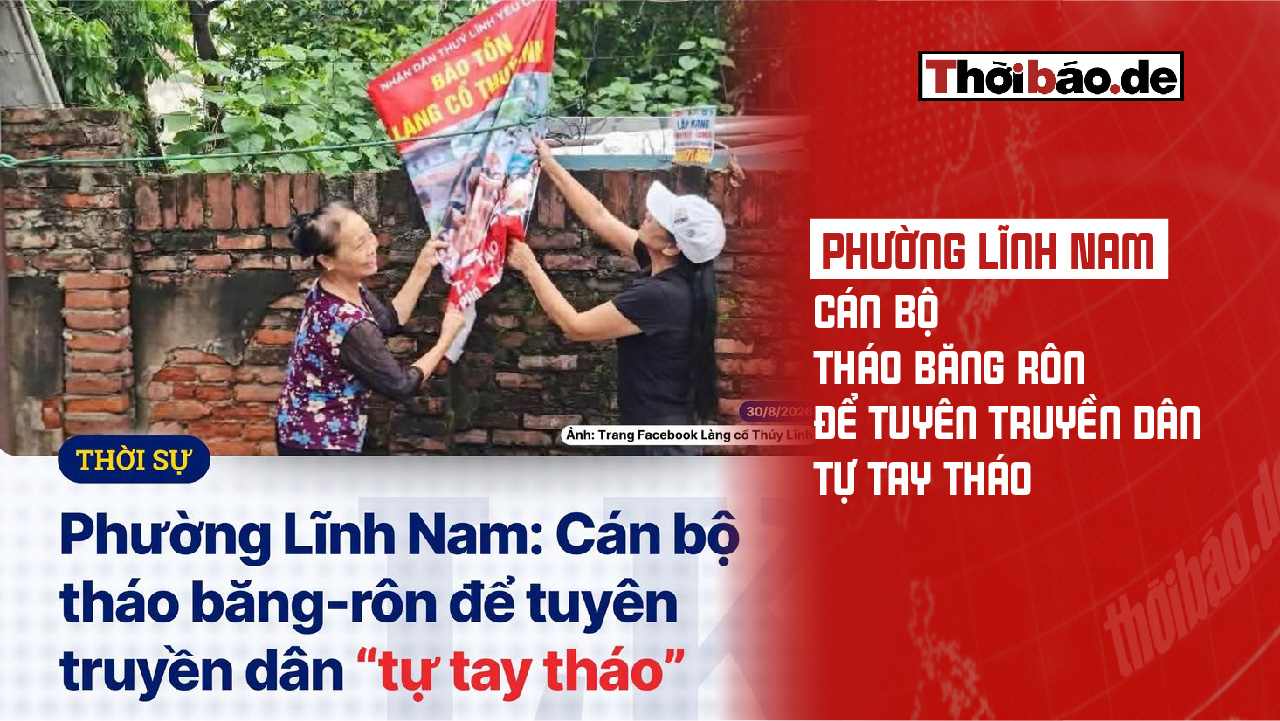
值此9月2日國慶之際,河內市靈南區翠嶺古村落轄區的居民組幹部前往社區懸掛國旗。但與此同時,居民為抗議「紅河計畫」而懸掛的橫幅也被拆除。若報導屬實,這場節日「裝飾」實令人費解:國旗被升起,抗議的聲音卻被壓制。河內市政府隨後表示,是居民「親手拆除了橫幅」。

然而,這件事並未就此結束。一位因安全原因要求匿名的翠嶺居民向《法律科學》透露,居民曾強烈抗議,隨後居民區組長將標語牌歸還,當晚居民便重新懸掛。若屬實,問題便很簡單:為何屬於民眾的物品會被拆除,又為何必須歸還?

8月30日早上,《法學》聯繫了嶺南街人民委員會主席阮文德先生,以釐清究竟是誰要求拆除橫幅。阮文德先生接聽了電話,但在被問及此事後,這位主席沉默片刻便掛斷了電話。一方聲稱「是居民自行拆除」,居民卻說恰恰相反,而負責解釋的人員則不予回應。在國慶節的氛圍中,橫幅或許會重新懸掛,但關於究竟是誰將其拆除的疑問,仍懸而未決。

https://www.facebook.com/share/p/1PrnvvPvXj/

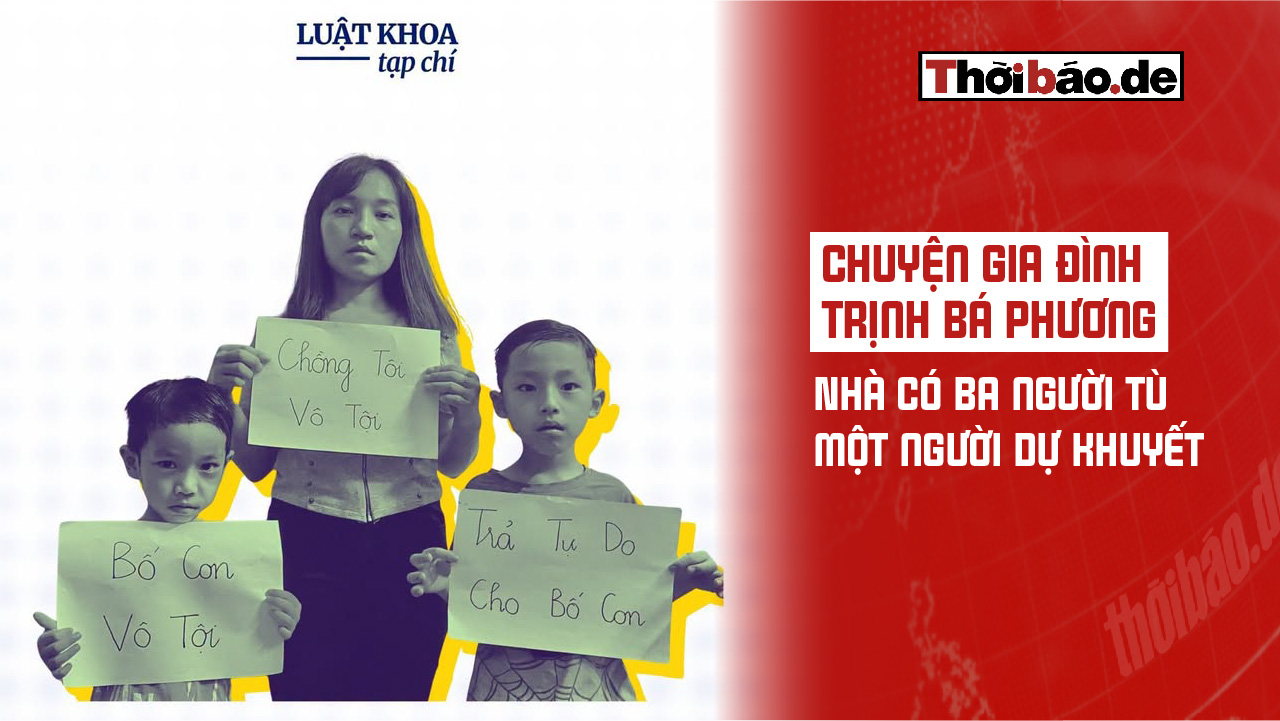
24 июня 2020 года, когда Чин Ба Фуонг был арестован, До Тхи Ту родила второго ребёнка всего четыре дня назад. Полицейские зачитали ордер на арест прямо на глазах у молодой жены, но сначала она оставалась невозмутимой и даже не верила, что это происходит на самом деле. Только когда дверь закрылась и сотрудники, исполнявшие ордер, ушли, она разрыдалась. Мать, только что родившая ребенка, внезапно была вынуждена научиться жить без мужа. Она назвала это «огромным психологическим шоком».

Но история не ограничивается одним арестом. Чин Ба Фуонг, Чин Ба Ту и г-жа Кан Ти Тхео изначально были крестьянами из Дуонг Ной. Из-за земельных споров, принудительного отчуждения земель и недовольства властями они стали активистами, высказывающими протест. Все трое были арестованы в один день и впоследствии получили в общей сложности 26 лет тюрьмы по обвинению в «антигосударственной пропаганде» согласно статье 117 Уголовного кодекса. Семья, привыкшая только к полям и заботам о пропитании, и вот — всего за один день одни оказались на свободе, а другие — за решеткой.

Спустя шесть лет До Тхи Тху уже не та «наивная» девушка, какой она была раньше. В одиночку воспитывая двоих детей, заботясь о семейном бюджете и продолжая выступать в защиту мужа и близких, она сама называет себя «запасной заключённой». Это название звучит одновременно горько и холодно: сегодня ты ещё дома, а завтра, возможно, снова услышишь стук в дверь. Поэтому самый навязчивый вопрос заключается не только в том, когда те, кто находится в тюрьме, смогут вернуться, но и в том: в чью дверь постучат следующей?

https://www.facebook.com/share/p/182t4XiPMD/

Am 19. August 2026 erließ die vietnamesische Regierung das Dekret 328/2026/NĐ-CP zur Prävention und Bekämpfung von Falschmeldungen und unwahren Informationen, das am 5. Oktober 2026 offiziell in Kraft trat.

Dieser Rechtsakt erregte sofort die Aufmerksamkeit von Beobachtern und der Öffentlichkeit und löste zugleich heftige Debatten über die Grenze zwischen dem Schutz der Informationssicherheit und der Gefahr einer Einschränkung des Meinungsäußerungsraums aus.

Anlass zur Sorge gibt vor allem die Einstufung von Falschmeldungen nach ihrem Gefährdungsgrad. Demnach sind „vage“ Begriffe wie „weitreichende negative Auswirkungen auf die nationale Sicherheit“ oder „Auslösung einer Medienkrise“ sehr emotional geprägt.

Am besorgniserregendsten ist jedoch das völlige Fehlen klarer rechtlicher Standards, und diese Bestimmungen lassen sich je nach Polizeibehörde sehr leicht flexibel auslegen.


Die Praxis in vielen autoritären Staaten wie Vietnam hat gezeigt, dass qualitative Definitionen oft als Instrument zur Unterdrückung abweichender Meinungen dienen. Darüber hinaus wirft die Entscheidung, Informationen zu entfernen, große Fragen hinsichtlich der Transparenz auf.


Wenn grenzüberschreitende Internetdienstanbieter und soziale Netzwerke zur Verantwortung für die Aufdeckung solcher Inhalte verpflichtet werden, wird der Druck zur Selbstzensur von Inhalten sprunghaft ansteigen.

Um rechtliche Risiken zu vermeiden, werden Technologieplattformen dazu neigen, selbst kritische Diskussionen oder sensible Informationen zu innenpolitischen oder personellen Themen sofort zu entfernen.

Die schädlichen Auswirkungen von Falschmeldungen auf die gesellschaftliche Ordnung sind unbestreitbar. Die Ausweitung des Regelungsbereichs ohne die Schaffung von Beschwerdemechanismen oder einer unabhängigen Aufsicht birgt jedoch die große Gefahr, dass die Verordnung 328 missbraucht wird.


In der öffentlichen Meinung wird die Ansicht vertreten, dass die Kernfrage nicht lautet, ob man gegen Fake News vorgehen sollte oder nicht, sondern wer die Befugnis hat, die Wahrheit angemessen zu definieren.

Und durch welchen Mechanismus lässt sich sicherstellen, dass diese Definition nicht zu einem Vorwand wird, um die verfassungsmäßig garantierte Meinungsfreiheit der Bürger einzuschränken?

Hong Linh – Thoibao.de

The statement that “All guidelines and policies must stem from the aspirations, legitimate interests, and happiness of the people” is frequently emphasized by General Secretary and President To Lam and regarded as a guiding principle in the New Era.
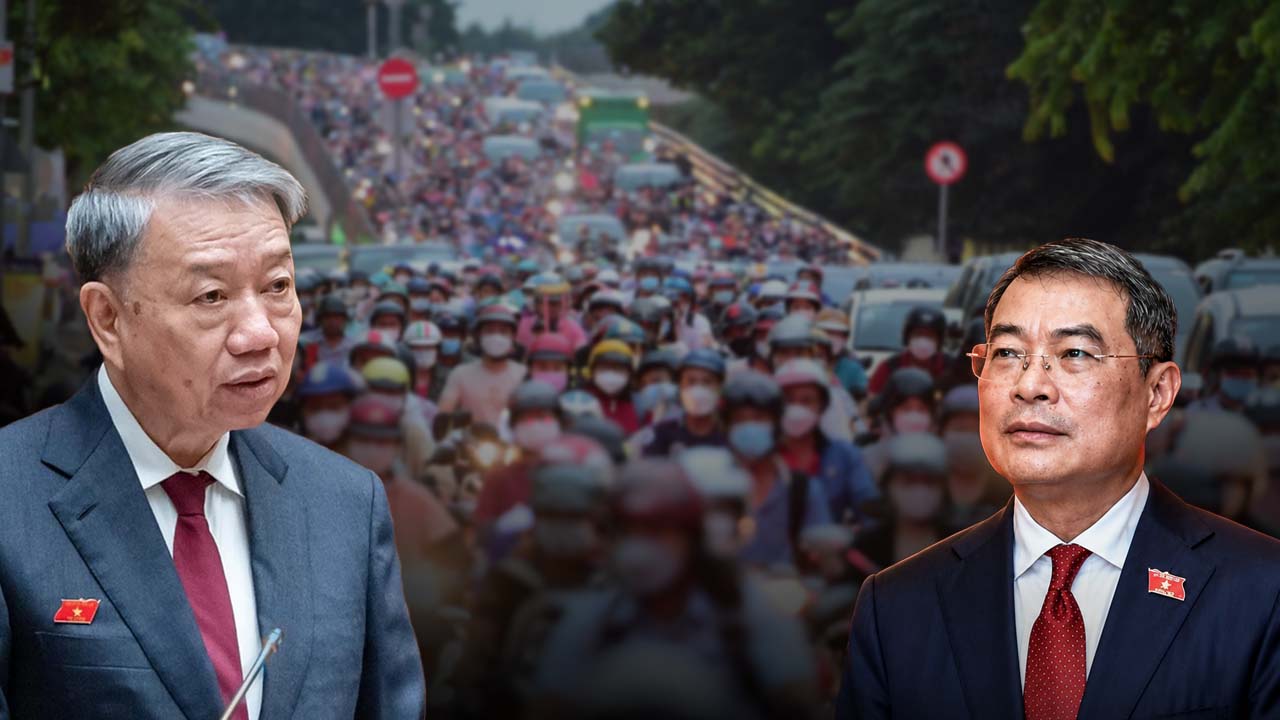
However, the gap between these directional political slogans and their actual implementation is revealing deeply troubling gaps.

Recent administrative regulations have raised public questions about how closely the administrative apparatus is attuned to real-life conditions at this time.

On August 27, 2026, at a session of the Standing Committee of the National Assembly, a representative from the Vietnam Chamber of Commerce and Industry raised a question that cut to the heart of the matter: “How can a pho shop prove where the chickens they buy come from and provide invoices and receipts?”


At first glance, the question seems simple, but behind it lies an extremely pressing reality weighing heavily on the shoulders of millions of small business owners across the country.

When strict requirements are imposed on every small, individual purchase, business owners face significant obstacles. They find themselves in a situation where it is nearly impossible to comply with the law—a highly bureaucratic approach to governing the people.


When regulations exceed what is practically feasible, people are forced to find ways to cope—either by “legalizing” their paperwork or by simply ceasing to do business.

Similarly, at a time when Vietnam’s road infrastructure remains inadequate and inconsistent, the Ministry of Public Security’s enforcement of a minimum distance requirement between vehicles on expressways poses a major challenge to development efficiency.


If drivers are forced to constantly monitor signs mandating a 55-meter distance while on the move, traffic congestion will become even worse than on ordinary national or provincial highways.

Furthermore, the negative consequences for daily life and the economy will become immediately apparent. The frequency of traffic police patrols on expressways—conducted to enforce this rule—will skyrocket, as up to 90% of drivers could be cited for this spacing violation.


To protect their wallets, drivers will be forced to avoid the expressways and revert to the old national highways for safety. The result will be longer travel times, further congestion on already narrow roads, and immeasurable economic losses stemming from a revenue-driven management mindset.

During his lifetime, the late Da Nang City Party Secretary Nguyen Ba Thanh once bluntly pointed out: “The more bureaucratic we become, the further we drift from the people, and that is precisely the evil of those in power,” and this is a “disease of officials who oppress and exploit the people,” the inevitable outcome of which is social resistance.

As a member of the Party Central Committee and Head of the Central Internal Affairs Commission, Mr. Thanh deeply understood the nature of power, and the abuse of power described above is an “inevitable law” when interest groups seek to manipulate state policy for their own gain.


Mr. Thanh’s warning also outlines a predictable path to collapse: if the regime distances itself from the people and oppresses them, it will lead to resistance and ultimately the regime’s downfall.

This concern is further reinforced by remarks made by former Standing Member of the Party Secretariat Tran Quoc Vuong at the 2019 National Conference on Party Building.


Mr. Vuong emphasized that, “Whether the foundation we have built over the past 75 years collapses or not depends entirely on us. No one is invading us; no one is bringing in planes or artillery to invade or overthrow us. If we don’t do our job well, we will bring about our own downfall.”


In short, policies that create difficulties for pho vendors or regulations on distance on highways are not merely technical errors. They are manifestations of the disease of bureaucracy and detachment from the people.

The “new era” will be nothing but empty promises if Mr. To Lam and the leadership continue to issue regulations that place a burden on society as they do today.

Trà My – Thoibao.de

2026년 8월 25일, 교육이 단순히 점수나 학위, 순위만을 쫓아서는 안 된다는 메시지는 정말 멋지게 들렸다. 하지만 더 어려운 질문은 연단 뒤편에 있다. 성과 지상주의라는 병폐가 오랫동안 존재해 온 것을 알면서도, 왜 경쟁과 칭호, 성적표는 여전히 끊임없이 양산되고 있는 것일까? 교육은 회의에서 멋지게 쓰여진 구호만으로는 개혁될 수 없다.

학부모와 학생들을 지치게 하는 것은 “진정한 가르침, 진정한 배움”에 대한 약속이 부족해서가 아니라, 말과 현실 사이의 괴리입니다. 부정적인 사건이 발생할 때마다 사람들은 바로잡아야 한다, 처리해야 한다, 혁신해야 한다고 말합니다. 그러다 회의가 끝나고, 보고서가 완성되며, 성과가 집계되면 시스템은 다시 예전대로 돌아갑니다. 성공을 종이 위의 화려한 숫자로만 측정한다면, 그 숫자 뒤에 숨겨진 현실이 그리 아름답지 않을 때 누가 책임을 질 것인가?

말만 많이 하는 것보다 실천하는 것이 낫다. 많이 한다고 해서 반드시 올바르게 하는 것은 아니다. 성과주의를 근절하려면 우선 실질적인 검증 체계가 없는 화려한 성과 표창을 중단해야 한다. 학생들이 창의적이고 독립적이 되기를 원한다면, 어른들도 아직 이루지 못한 점들을 정면으로 직시할 용기를 가져야 한다. 성공만 보고하는 데 익숙한 시스템으로는 교육이 정직한 인재를 키워낼 수 없기 때문이다. 그렇다면 결국, 우리는 진정으로 교육을 혁신하고 있는 것일까, 아니면 단지 교육에 대한 말투만 바꾸고 있는 것일까?

https://www.facebook.com/share/p/1DJfYFbbCj/

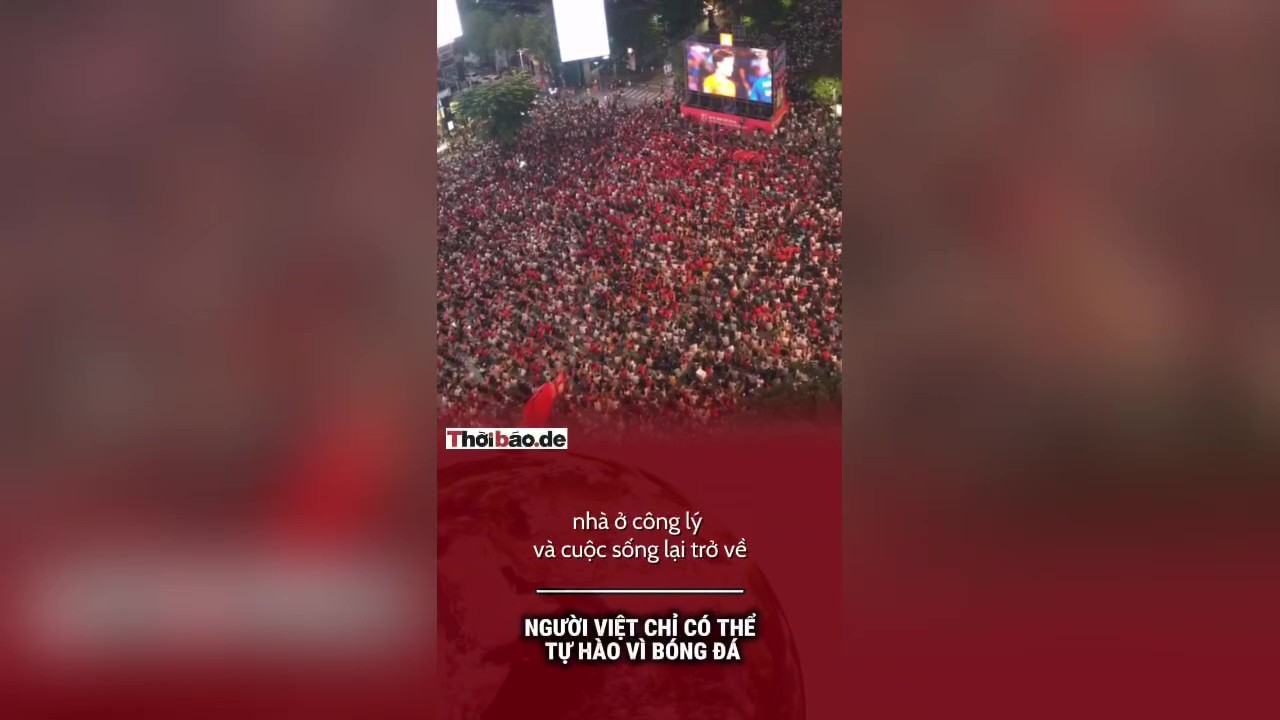
ผู้คนนับหมื่นอาจออกมาบนถนน ส่งเสียงเชียร์ดังลั่น และอยู่ตื่นทั้งคืนเพียงเพื่อเฉลิมฉลองประตูเดียว ถนนกลายเป็นทะเลมนุษย์ในพริบตา เสียงเชียร์ของพวกเขากลบเสียงแตรรถ แต่เมื่อความสุขจากฟุตบอลผ่านพ้นไป คำถามเกี่ยวกับที่ดิน ที่อยู่อาศัย ความยุติธรรม และชีวิตก็กลับมาอีกครั้ง ประชาชนที่ยื่นคำร้องเรียน ครอบครัวที่ดิ้นรนกับค่าที่อยู่อาศัย คนหนุ่มสาวที่ทำงานไม่หยุดพักแต่ยังห่างไกลจากความฝันที่จะมีบ้านที่มั่นคง — พวกเขาจะหันไปหาใครได้ และจะมีใครที่ฟังอย่างจริงใจบ้างหรือไม่?


สิ่งที่น่าคิดไม่ใช่ว่าชาวเวียดนามรักฟุตบอล เพราะการรักฟุตบอลนั้นไม่มีอะไรน่าอับอาย
สิ่งที่น่าคิดคือ ทำไมเราจึงสามารถออกมาบนท้องถนนร่วมกันเพื่อชมการแข่งขันฟุตบอล แต่กลับมักเลือกที่จะนิ่งเงียบเมื่อเผชิญกับปัญหาเร่งด่วนในชีวิตประจำวัน? หรือว่าประตูที่ทำได้อาจทำให้ผู้คนตื่นเต้นได้มากกว่าคำถามเกี่ยวกับความยุติธรรม? การ “คลั่งไคล้” ถูกมองว่าเป็นความหลงใหล ในขณะที่การพูดออกมาเพื่อเรียกร้องสิทธิอันชอบธรรมกลับทำให้หลายคนรู้สึกระมัดระวัง?
ฟุตบอลอาจให้ชาวเวียดนามได้สัมผัสความภูมิใจชั่วขณะ แต่ไม่สามารถเป็นเพียงสถานที่เดียวที่เราจะพบความภูมิใจนั้นได้ สังคมที่คุ้มค่าแก่การอยู่อาศัยต้องการไม่เพียงแต่ผู้สนับสนุนที่เต็มไปด้วยความหลงใหลบนอัฒจันทร์ แต่ยังต้องการพลเมืองที่กล้าใส่ใจต่อสิ่งที่เกิดขึ้นรอบตัวพวกเขาด้วย
หากเราทุกคนสามารถร่วมเชียร์กันเมื่อมีประตูได้ ทำไมเราจึงไม่สามารถร่วมแสดงความคิดเห็นกันเกี่ยวกับปัญหาที่จำเป็นต้องแก้ไขได้? บางทีคำถามที่เจ็บปวดที่สุดอาจไม่ใช่ ‘ทำไมชาวเวียดนามจึงภูมิใจกับฟุตบอลเท่านั้น?’ แต่เป็น: เรายังต้องการภูมิใจกับสิ่งอื่นใดอีก?
https://www.facebook.com/share/v/1FBGQKuYJF/