On the afternoon of July 13, the US State Department issued a statement to reject nearly all Chinese claims in the South China Sea (East Sea in Vietnamese). This is considered a tougher change in the US’s South China Sea policy.
Group of two aircraft carriers USS Ronald Reagan and USS Nimitz in the South China Sea.
AP said that US President Donald Trump has issued a statement dismissing nearly all of China’s claims in the South China Sea.
According to the US State Department’s statement, Secretary of State Mike Pompeo asserted that Beijing’s claims in the South China Sea are completely “illegal.”
The AP said the latest move by Trump’s administration was seen as an attempt to curb China’s increasingly assertive behavior in the region, along with its commitment to recognizing international law.
For a long time, US policy has always emphasized that disputes between China and its neighbors in the South China Sea need to be resolved peacefully and through a UN-backed arbitration tribunal.
However, the July 13 statement by Trump’s administration means that the US now considers almost all of China’s claims in the South China Sea, apart from its waters internationally recognized, are illegal.
US officials added that the change in US policy does not include disputes involving entities rising above sea level, which are naturally considered “territories.”
In this statement, the US State Department completely rejected China’s sovereignty claim over the so-called “nine-dash line” that Beijing made in 2009; rejecting any claim of Beijing’s sovereignty over the waters surrounding Vietnam’s Vanguard Bank. The US also does not accept China’s claims to waters outside the territorial waters of 12 nautical miles from islands claimed by Beijing in the Truong Sa (Spratlys).
The statement states that all actions taken by China to harass the fishing or oil exploitation activities of other countries in these waters, or to conduct such actions unilaterally, are illegal.
The US State Department statement said: “The US is fighting for a free and open Indo-Pacific. Today, we strengthen US policy in an important, conflict-stricken area – the South China Sea. We make it clear: Beijing’s claims to offshore resources in most of the South China Sea are completely illegal, as well as China’s bullying campaign to control the resources.
In the South China Sea, we strive to keep peace and stability, ensuring the freedom of the seas in a way that conforms to international law; maintain unimpeded commerce flows, and oppose any attempt to use force or threaten to use force to resolve disputes. We share profound and consistent interests with US partners and allies who have long supported an international, law-based order.
The US works closely with its Southeast Asian partners and allies in protecting sovereignty rights over offshore resources, in accordance with the rights of countries and obligations under international law. We work closely with the international community to protect the freedom of this sea, respect our sovereignty and oppose all efforts to impose “the right of the strong” in the South China Sea or the wider region.”
US Secretary of State Mike Pompeo.
The move took place just four years after the UN arbitration court ruled in favor of the Philippines before China in a dispute in the South China Sea.
In a comment on the website shortly after the US State Department announced the policy, Ms. Bonnie S. Glaser, senior policy advisor at the Center for Strategic and International Studies (CSIS) based in Washington DC, assessing that US policy on the South China Sea is becoming closer and closer to the July 2016 decision of the UN Arbitral Tribunal over the South China Sea dispute. According to Bonnie Glaser, the above policy adjustment aims to create more legal grounds to object to China’s claims to the waters.
The US announced the change more than a week after the Pentagon issued a statement protesting China’s exercise in the South China Sea. The US Department of Defense’s July 2 statement states the area where the exercise took place includes disputed waters and territories. Conducting exercises in disputed waters in the South China Sea has hindered efforts to reduce tensions and maintain stability.
China’s actions will further destabilize the situation in the South China Sea. Such actions also violate China’s commitments in the Declaration on the Conduct of Parties in the South China Sea (DOC) to avoid actions that complicate or escalate disputes and affect peace, regional stability.
According to the US Department of Defense, the exercise is the latest in a series of Chinese actions aimed at asserting illegal claims and damaging China’s Southeast Asian neighbors in the South China Sea.
Such actions run counter to China’s commitment not to militarizing the South China Sea, as well as contrary to the US vision of a free and open Indo-Pacific region, where every country, despite its size or small are guaranteed their sovereignty, not being forced and can pursue economic growth in accordance with the laws and rules accepted by the international community.
High-ranking Chinese diplomat Wang Yi said on Saturday that Sino-US relations are facing the most serious challenges since diplomatic relations were established in 1979, but the two countries could still be back in the right direction, according to Reuters.
“China and the US should explore ways to coexist peacefully and release more positive energy,” Reuters quoted State Councilor and Foreign Minister of China in a speech posted on the website of this ministry.
Chinese Foreign Minister Wang Yi and US Secretary of State Mike Pompeo
Washington and Beijing are in a state of confrontation over the handling of the corona virus outbreak, China’s actions in the former British colony of Hong Kong, the long-running trade dispute and the conflicts in Taiwan and the South China Sea.
“The current US policy towards China is based on misconceptions of strategy, lack of practical basis and full of spontaneous emotions and prejudices of McCarthyism,” Wang said, implying the anti-communist policy of an American congressman in the 1950s.
On July 8, US Secretary of State Mike Pompeo said that the world should not let China’s bullying continue, and highlighted its territorial dispute with India, Vietnam and Japan.
“The two countries should not find ways to replace each other,” said China’s Foreign Minister. “China cannot and will not become another United States,” he said, adding that the socialist system that fits China is the people’s choice.
Wang said he hoped the US would build a more objective understanding of China and build a more rational and pragmatic Chinese policy.
“More dialogue, separating different issues, setting aside the biggest areas of disagreement and cooperating against the coronavirus pandemic will help put bilateral relations in the right direction,” Wang Yi said.
US President Donald Trump hinted that he no longer cared about the possibility of signing a phase 2 trade agreement with China, the latest sign of a deteriorating bilateral relationship.
US President Donald Trump
Specifically, when asked by reporters about the possibility of another trade agreement with China, President Donald Trump replied: “I don’t think about this now … Actually I have too many other things in my head,” according to the South China Morning Post.
President Trump also said that Washington-Beijing relations were “seriously damaged“, amid tensions over many issues, from trade, the Covid-19 pandemic to the issues of Hong Kong and Taiwan.
“We are ready to develop China-US relations with goodwill and sincerity,” Chinese Foreign Minister Wang Yi said on July 9 in a message posted on the ministry’s official website. “Some US officials are suspicious or even wary of China’s development. Once again, I would like to emphasize that China never intends to challenge, replace or confront the US. Our top priority is to improve people’s livelihoods.”
Just one day earlier, in an online discussion on US-China relations co-organized by the Chinese People’s Foreign Affairs Institute and the Asian Association, Deputy Foreign Minister Lac Ngoc Thanh also confirmed that China is ready to cooperate with America.
Beijing’s diplomats also emphasized the prerequisite to motivate bilateral relations mediation, that the US respects Chinese decisions.
According to Minister Wang, the US-China are experiencing the most serious challenges since the two countries established diplomatic relations so far. Wang criticized the current US policy with China as “full of paranoia.” “It seems that every Chinese investment in the eyes of the US is motivated by political intent, every Chinese student is a spy and every cooperation initiative is an implicit agenda.”
Deputy Minister Lac Ngoc Thanh declared: “I always find it hard to understand why the US always seeks to influence and change other countries in state relations? Why is the US trying to impose its ideology on other governments? … There are fundamental differences between China and the US in the social system.”
In a tone calling for reconciliation this week, it seems Beijing officials are trying to mend ties with the world’s largest economy. “President Xi Jinping has repeatedly emphasized that we have thousands of reasons to bring good US-China relations back. There is no reason to destroy that close relationship,” emphasized Wang.
FBI Director Christopher Wray
The FBI director said that the Chinese government’s intelligence operations and intellectual property theft were “the greatest long-term threat” to the future of the US.
Speaking at the Hudson Institute in Washington, Christopher Wray described a multi-objective disruptive campaign conducted by the Chinese government, he said China had begun targeting Chinese citizens living abroad, forcing them to return and seeking ways to ruin US corona virus research.
“China has a nationwide effort to become the world’s only superpower by all means,” he added.
In a nearly hour-long speech on Tuesday, the FBI Director outlined a clear picture of China’s intervention, an economic espionage campaign, data and currency theft, illegal political operations, using bribes and extortion to influence US policy.
“To the extent that now every 10 hours the FBI has to open a new spy investigation involving China,” Mr. Wray said. “Of the nearly 5,000 espionage investigations that are being carried out across the country, nearly half involve China.”
The FBI director said that Chinese President Xi Jinping led a program called “Fox Hunt“, targeting Chinese nationals living abroad that are considered a threat to the Chinese government.
“We are talking about political opponents, dissidents, and critics seeking to expose China’s sweeping human rights violations,” he said. “The Chinese government wants to force them back to China, and China’s tactics to make that really shocking.”
He continued: “When it was impossible to find the whereabouts of an object targeted by ‘Fox Hunt,’ the Chinese government sent people to his family in the US. What message did they send? Two options: return to China immediately or commit suicide.”
This is not the first time FBI Director Christopher Wray has classified China as a “top intelligence threat” to the US, but on Tuesday he intensified criticism by focusing on “national efforts” of Beijing to become the world’s only superpower.
This clearly signals that Washington now sees Beijing not only as an aggressive enemy but also as an ambitious opponent for global leadership.
Since the Covid-19 outbreak in the US, the Trump administration has vented its anger on China from its initial response to corona virus, economic espionage, to national security laws imposed on Hongkong. Mr. Wray’s speech is part of a series of heavy speeches by senior US officials on the subject.
Trump’s administration says it is time to wake up after 40 years of policy failure involving China, while critics see it as an attempt to divert attention from the president’s own failure and Increase your chances of winning the re-election.
What is certain is that the power interactions between China and the US have fundamentally changed, and no matter who will be the next US president, the tense deadlock in Sino-US relations is sure to continue.
In an unusual speech, Mr. Wray asked Chinese people living in the US to contact the FBI if Chinese officials forced them to return.
The Chinese government once defended the “Fox Hunt” program, saying it was part of a legal anti-corruption effort.
The threat posed by China will continue to be presented by the US Secretary of Justice and Secretary of State in the coming weeks, Mr. Wray said.
The FBI Director’s speech comes amid rising tension between the US and China.
In another move, Secretary of State Mike Pompeo said this week that the US administration is considering banning Chinese social networking apps – including TikTok.
The applications “are used as part of the surveillance system of the Chinese Communist Party,” Pompeo said.
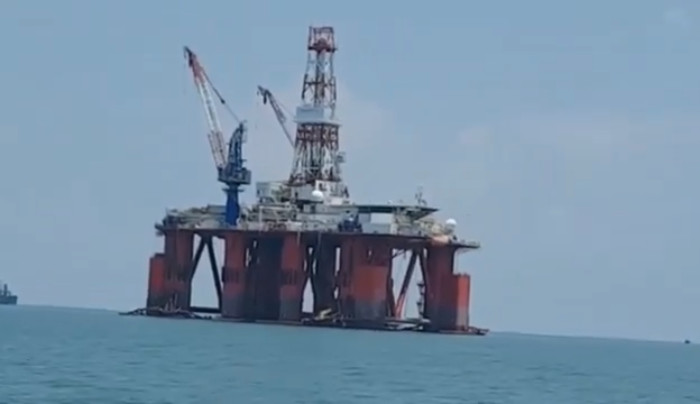
The expectation of the Vietnamese Government’s determination to continue exercising its right to explore and exploit oil and gas at Lot 06.1 has been dissipated when on July 9, the official information on the Noble Group website posted: The contract of the Noble Clyde Boudreaux rig in Vietnam has been canceled. Noble Group also stated that the contract for the lease of the rig included a compensation clause when canceling the contract.
Earlier, in 2017, Vietnam had to ask Repsol to cancel exploration at Lot 136.3. In 2018, Vietnam continued to request Repsol to cancel the project in progress at Lot 07.3. All of these cancellations have the reason that Vietnam is concerned about the threat from China.
According to some internal sources, Repsol has asked the contracting party, PetroVietnam, to pay back the total amount when requesting to stop these exploration and exploitation projects with the amount of about $2.6 billion.
Recently, the press said that Repsol sold all of its stakes in these projects to Petro Vietnam.
Threatened and prevented in its own waters
The current oil and gas contract for block 06.1 includes Rosneft – accounting for 35%, India’s ONGC – 45% and PVN – 20%. Rosneft Vietnam B.V. is the operator of gas and condensate exploitation in Lan Tay, Lan Do and Phong Lan Dai fields for the past 15 years, providing more than 30% of Vietnam’s gas output annually. Average daily production is about 8.8 million m3 of gas/day and about 1,500 barrels of condensate oil/day. These mines belong to Lot 06.1. Cumulative output of Block 06.1 to June 2017 was 53.5 billion m3 of gas and 19.8 million barrels of condensate oil.
Although Vietnam is still exploiting in this Lot 06.1, there are still many potential untapped areas. Therefore, it is necessary to continue exploring and exploiting new mines in this Lot. In 2019, Rosneft hired Hakuryu-5 rig of Japan Drilling Company (JDC) to conduct exploration drilling in block 06.1 from May 15 to July 30, 2019. And this is also the reason for China to have Haijing 35111 heavy-armed police ship to provoke around the Hakuryu-5 rig in block 06.01. At the same time, China’s Hai Duong Geological 8 and escort fishing vessels conducted illegal geological surveys in Vietnam’s Exclusive Economic Zone and continental shelf for more than 100 consecutive days. Only when the Hakuryu-5 drilling rig finished exploration drilling then China’s 35111 maritime vessel moved out from Vietnam’s sea area. The main purpose of China when deploying ships violating Vietnam’s waters is to threaten oil and gas exploration in Lot 06.1. Even though Lot 06.1 is located on the Nam Con Son basin, deep in the continental shelf of Vietnam, and according to Articles 56 and 77 of UNCLOS 1982, Vietnam has full rights to explore and exploit in these Lot 06.1.
Public opinion was excited by the news that Vietnam will conduct a new exploration at Block 06.1 despite threats from China. Although the Vietnamese side did not provide any official information, many newspapers were shocked when they learned that an anonymous company had hired Noble Clyde Boudreaux rig to drill in Vietnamese waters for 2 months from earl. June to the end of July with rental price of about $165,000/day.
Lan Tay mine operated by Rosneft Vietnam in the South China Sea
The press later found out that the company that signed the lease contract for Noble Clyde Boudreaux rig was Rosneft.
In early June, the Vietnamese Politburo had a meeting to decide whether or not to decide to conduct a new drilling drill in Lot 06.1? Because the exploration drilling will certainly face a threat from China. Many expect the Vietnamese Politburo to be determined to protect the country’s sovereignty over the sea and islands, as shown by continuing exploration and exploration at Block 06.1 despite threats from China.
However, the Vietnamese Politburo was unable to make a decision in this case, and this shows that China is still winning the game in the East Sea (South China Sea), and Vietnam is still unable to overcome “the fear ”from China.
Risk for oil and gas industry
The inability to explore in Lot 06.1 this time poses a threat to Vietnam’s oil and gas industry, which is an economic industry with many important benefits and plays an important role in the economic development strategy. Many of Vietnam’s oil and gas fields have been exhausted or unexploited for many reasons. On the personal page of Mr. Nguyen Le Minh – Member of the Editorial Board of Vietnam Energy Magazine, he listed a number of oil and gas fields in danger of stopping exploitation, including:
1 / Ngu Trang and Kinh Ngu Trang Nam oil fields (Lot of oil 09-2 / 09 Cuu Long basin): the arising drilling of which has not been settled the cost up to $28.5 million due to not being updated in the investment report. Currently, for this bloc has not reached a transfer agreement between VSP and Zarubezhneft due to different views on historical costs and related drilling costs.
2 / Thang Long/Dong Do field (Lot of oil and gas 01-02 / 97 Cuu Long basin): Decentralization of non-standard reserves according to regulation 38, leading to a serious decrease in output, below 4,000 barrels / day (currently continued to decline), at a loss and at risk of stopping the mine after 8 years of operation, of a total investment of about $2.5 billion for over a 20-year mining life.
3 / Bear Lord / Ca Trach Mine (Petroleum Block 10 – 11/1 Nam Con Son basin), assessment of reserves not complying with the original document, resulting in errors and having to reevaluate, additional costs of $110 million, project is stopped.
4 / Song Doc field (Lot of oil and gas 46/13 Malay – Tho Chu tanks): After 10 years of operation, the current output is less than 1,000 barrels of oil per day, continuing to decline due to the field being flooded by more than 90%. It is expected to stop mining.
5 / Doi Rong Doi / Rong Doi Tay (Nam Con Son basin): the gas output is not enough to compensate according to the gas trading contract commitment even though the operator has taken some measures to raise the oil and gas recovery coefficient. Currently, the mine is stopping exploitation due to technical problems until the end of this year and there is a risk of stopping.
Meanwhile, mines with very large reserves such as Ca Kiem Nau at Lot 136.3 and Ca Rong Do mine at Block 07.3 cannot be exploited due to threats from China.
The United States supports Vietnam
On July 9, US Ambassador to Vietnam Daniel Kritenbrink repeatedly voiced opposition to China to intervene in the exploitation of oil and gas in the South China Sea.
In an online exchange with readers on VietnamNet on July 7, he stated that: “We object to the efforts of several countries in the region to seek to intervene in the exploration of energy which as been carried out for years in the South China Sea, including Vietnam, in established lots.
We think it is important for countries not to use force or coercive action, or bullying to find ways to advance their interests.”
Earlier, at a press conference on July 2 to commemorate the 25th anniversary of the establishment of US-Vietnam diplomatic relations, Ambassador Kritenbrink also spoke out against China’s actions in intervention and obstruction countries that exploit oil and gas in the South China Sea. He emphasized, “In particular, we oppose China to try to prevent ASEAN countries from accessing and exploiting $ 2.5 trillion worth of resources in these waters.
We believe that China took advantage of the crisis caused by COVID-19 to intensify provocation and show aggression in the South China Sea for its benefit. The US opposes China, or any other country, to use coercive measures to increase its claims in the South China Sea. China needs to stop provocative activities that affect stability in the region.”
It is worth noting that a few days ago, in response to the press, Senior Lieutenant General Vo Tien Trung, former director of the National Defense Academy said: “The actions of China and the US have caused real stress and tension in the East Sea. China’s military exercise in Vietnam’s sovereignty zone is a violation of our sovereignty, while the US also conducted exercises near the Chinese exercise area, which is also a tense act.”
With this statement from a military general, who was once the Director of the National Defense Academy, we can understand the attitude of the majority of Vietnamese military officials who still have an unfriendly view of the US. Despite this, the Vietnamese-US diplomats are still fully aware of the great strides in the relationship between the two sides. However, with backward thinking from the Vietnamese military officials, although they have a great influence on Vietnam’s foreign policy. We can see they are fearing of China with which Vietnam’s communists consider “good comrades.”
Thăm ông Trương Duy Nhất ở Trại T16, luật sư Ngô Ngọc Trai kể lại tình cảnh giam người như ‘trong lò nóng’ ở Việt Nam qua bài viết trên mục diễn đàn của BBC News Tiếng Việt.
Mới đây tôi cùng hai luật sư đồng nghiệp đã có buổi làm việc với ông Trương Duy Nhất tại trại giam, Luật sư Ngô Ngọc Trai nói.
Từng làm việc trong một cơ quan báo chí nhà nước là Báo Lao động, sau đó nghỉ ra ngoài làm báo tự do, hiện ông Nhất đang bị giam giữ tại Trại tạm giam T16 nằm ở huyện Thanh Oai, ngoại thành Hà Nội trong một vụ án liên quan đến tài sản.
Khi làm việc chúng tôi thấy hai cánh tay bị can nổi các mẩn đỏ, hỏi thì được biết trên người cũng có và do thời tiết nắng nóng của buồng giam.
Bản thân tôi hai năm trước cũng được một bị can bị tạm giam tại Trại tạm giam Cầu Cao ở tỉnh Thanh Hóa phản ánh cho biết, phòng giam quá nóng, những người bị giam đã phải treo một chiếc chiếu trong phòng rồi buộc dây hai đầu co kéo đưa đi đưa lại tạo không khí thoáng mát cho phòng giam.
Những điều đó cho thấy nhu cầu bức thiết của những người bị giam giữ là cần được lắp quạt điện tạo mát.
Thực tế hiện nay tại các phòng giam giữ trên cả nước đối với các bị can, bị cáo, người bị tạm giữ trong quá trình điều tra, truy tố, xét xử vụ án hình sự đều không được lắp đặt quạt điện.
Trong khi mùa hè nóng bức kéo dài nhiều tháng có lúc lên tới 40 độ C thì đó thực sự là môi trường giam giữ đày đọa con người.
Quyền con người
Ở một diễn biến khác, Bộ luật tố tụng hình sự năm 2015 đã quy định một nguyên tắc mới quan trọng tại Điều 8 về tôn trọng bảo vệ quyền con người, tức nhân quyền.
Đây là một bước tiến bộ lớn khi so với Bộ luật tố tụng hình sự năm 2003 quy định nguyên tắc chỉ bảo vệ các quyền cơ bản của công dân.
Và khi Bộ luật tố tụng hình sự đã quy định như vậy thì các hoạt động tố tụng liên quan cũng cần quán triệt tiếp thu. Liên quan đến hoạt động giam giữ thì cần yêu cầu nâng cao tiêu chuẩn, tôn trọng quyền con người.
Ảnh 1: ông Trương Duy Nhất giơ tay chào người thân và bè bạn khi ra tòa hôm 28-2-2020
Ví như ngày xưa chỉ bảo vệ các quyền cơ bản của công dân là ăn uống thì nay bảo vệ nhân quyền sẽ phải khắc phục tình trạng nắng nóng trong phòng giam.
Thực tế bất hợp lý hiện nay là đời sống của người bị giam giữ phục vụ điều tra giải quyết vụ án hình sự lại khổ cực hơn là phạm nhân đã thụ án thi hành hình phạt. Trong khi người bị giam giữ chưa bị coi là tội phạm và phải chịu hình phạt vì chưa có bản án kết tội họ có hiệu lực pháp luật.
Ví như phòng giam của người đã thi hành án phạt tù thì có ti vi và quạt điện, nhưng phòng giam giữ bị can bị cáo thì không có.
Luật mới đã có hiệu lực thi hành vài năm, song thực tế chưa thấy có động thái nào từ phía các cơ quan tư pháp về việc nâng cao ý thức tôn trọng nhân quyền.
Lý do lâu nay không cung cấp quạt điện có lẽ do điều kiện ngân sách kinh tế khó khăn, nhưng tới nay nền kinh tế đất nước đã có những bước phát triển khởi sắc.
Điều kiện ngân sách quốc gia chắc cũng không đến nỗi không đáp ứng được cho một khoản kinh phí lắp đặt quạt điện trong phòng giam. Trong khi nhiều khoản chi đầu tư khác lại bộc lộ sự không hợp lý lãng phí ngân sách nhà nước.
Lý do thứ hai có lẽ do lo ngại mất an toàn. Nhưng lo ngại này không thỏa đáng.
Nếu có trường hợp nào người bị giam giữ phá hoại hoặc tự vẫn thì đó chỉ là thiểu số rất nhỏ trong khi quyền lợi của hàng vạn người khác cần được đảm bảo.
Ảnh 2: buồng biệt giam của tử tù, mỗi người đều đang bị cùm một chân
Hiện nay trong các phòng giam bật điện chiếu sáng suốt ngày đêm nhưng lại không có quạt điện trong khi mùa hè nắng nóng.
Thực trạng này cần phải thay đổi, môi trường giam giữ cần phải được cải thiện. Những người bị giam giữ cần được đối xử tôn trọng với đầy đủ quyền con người. Họ cũng cần được hưởng thành tựu của sự phát triển kinh tế xã hội.
Luật sư kiến nghị
Thấy được vấn đề như vậy, từ thực tế hành nghề bảo vệ quyền lợi cho khách hàng, tôi đã soạn một đơn kiến nghị về việc đầu tư lắp đặt quạt điện cho các phòng giam.
Đơn được gửi tới Tổng Bí thư, Chủ tịch nước Nguyễn Phú Trọng, Chủ tịch Quốc hội Nguyễn Thị Kim Ngân và Thủ tướng Chính phủ Nguyễn Xuân Phúc.
Để ý kiến nhận được sự quan tâm giải quyết, tôi đăng nội dung đơn lên mạng xã hội facebook và kêu gọi các luật sư đồng nghiệp cùng ghi danh tham gia ủng hộ.
Sau vài giờ đăng tải đã có hàng chục luật sư đồng nghiệp đồng tình với ý kiến.
Trong đơn đã khuyến nghị các cấp lãnh đạo nhà nước quan tâm đến vấn đề giam giữ, đề nghị chỉ đạo kiểm tra rà soát thực trạng, từ đó ra chính sách đầu tư cải thiện, cung cấp lắp đặt quạt điện tạo mát cho các phòng giam.
Đây là một hoạt động nhỏ nhưng mang ý nghĩa lớn, được kỳ vọng sẽ đem đến cải thiện đời sống cho hàng vạn người đang bị giam giữ.
Nhiều người đánh giá nội dung kiến nghị rất có tính nhân văn và đây là việc làm truyền tải đi những giá trị tích cực.
Ảnh 3: Một buồng giam tập thể ở Hà nội
Một nét son nhân bản bên cạnh nhiều thông tin tiêu cực về muôn mặt tệ trạng đời sống xã hội.
Thực tế trong đời sống hiện nay, nhiều người khi bị đối xử bất công, bức hại, thua thiệt thì kêu trời kêu đất, hỏi công lý ở đâu, công bằng ở đâu.
Trong khi cũng chính những người đó nhiều lúc lại đã làm những việc sai trái như chạy chọt, hối lộ, lót tay làm hủy hoại đi lẽ công bằng.
Từ đó tạo ra một vòng luẩn quẩn trong đời sống xã hội về nguyên nhân nguồn gốc của bất công, bất ổn xã hội.
Nhiều người không may là nạn nhân của tội phạm, giết người, đánh chém hoặc xâm phạm tài sản này khác. Họ không biết rằng người phạm tội kia là tái phạm.
Bởi vì người đó đã bị đối xử không như một con người, không đảm bảo nhân quyền trong thời gian bị giam giữ.
Cho nên để xã hội bớt tội phạm thì cần giữ gìn nhân phẩm cho người ta, bằng việc thúc đẩy cải thiện môi trường giam giữ.
Việc kiến nghị lắp đặt quạt điện tạo mát trong phòng giam sẽ gián tiếp giúp bảo vệ sinh mạng sức khỏe tài sản của đông đảo người dân ngoài xã hội. Giảm tránh nguy cơ tội phạm do tái phạm vì mất niềm tin vào trật tự đạo lý xã hội.
Theo thống kê của tổ chức Người Bảo vệ Nhân quyền (Defend the Defender- DTD), tính đến ngày 30 tháng 6 năm 2020, chế độ cộng sản Việt Nam đang giam giữ ít nhất 276 tù nhân lương tâm trong các nhà tù hoặc các hình thức giam giữ khác. Con số này không bao gồm ông Ngô Hào đang bị đình chỉ thi hành án vì lý do sức khoẻ và hai ông Nguyễn Trung Lĩnh cùng Lê Anh Hùng bị buộc phải vào bệnh viện tâm thần mà không qua xét xử tại toà. Danh sách này bao gồm nhà hoạt động Huỳnh Thục Vy, người bị kết án tù giam nhưng bị quản thúc tại gia trong thời kỳ nuôi con nhỏ, công dân Hoa Kỳ gốc Việt Michael Minh Phương Nguyễn- người bị kết án về tội danh “lật đổ chính quyền” của mình theo Điều 109 của Bộ luật Hình sự 2015, và công dân Úc gốc Việt Châu Văn Khảm bị kết tội “khủng bố” theo Điều 113 của bộ luật trên.
Ba mươi lăm trong số các tù nhân lương tâm là nữ, theo thống kê của DTD.
Ảnh 4: một buồng giam tập thể ở Nghệ An
Từ ngày 1/1 đến ngày 30/6, Việt Nam đã bắt giữ 21 nhà hoạt động và 29 người khiếu kiện đất đai ở xã Đồng Tâm. Có tới 12 nhà hoạt động đã bị bắt với cáo buộc “tuyên truyền chống nhà nước” theo Điều 117 của Bộ luật Hình sự về các bài viết của họ và trả lời phỏng vấn cho báo chí nước ngoài cũng như báo cáo vi phạm nhân quyền cho các nhà ngoại giao nước ngoài.
Trong số những người bị giam giữ có hai thành viên của nhóm chuyên nghiệp chưa đăng ký Hội Nhà báo Độc lập Việt Nam (IJAVN) là Phó Chủ tịch Nguyễn Tường Thụy và nhà báo Lê Hữu Minh Tuấn, blogger nổi tiếng Phạm Chí Thành (bút danh Phạm Thành), cũng như nhà hoạt động môi trường Đinh Thị Thu Thủy ở tỉnh Hậu Giang. Ông Thụy, 68 tuổi và ông Tuấn, 31 tuổi, đang bị điều tra trong cùng vụ án “tuyên truyền chống nhà nước” cùng với Chủ tịch IJAVN Phạm Chí Dũng, người đã bị bắt vào tháng 11 năm ngoái. Vụ bắt giữ Tiến sỹ Phạm Chí Dũng, một phần là để trả thù vì ông kêu gọi Liên minh châu Âu hoãn ký EVFTA.
Vào ngày 24/6, lực lượng an ninh Việt Nam đã bắt giữ sáu nhà bảo vệ nhân quyền theo cáo buộc của Điều 117, bao gồm cựu tù nhân lương tâm Cấn Thị Thêu và hai con trai của bà là Trịnh Bá Phương và Trịnh Bá Tư cũng như hàng xóm của họ Nguyễn Thị Tâm (Facebooker Tâm Dương Nội) vì sự ủng hộ của họ đối với dân oan mất đất Đồng Tâm. Facebooker Chung Hoàng Chương, người cũng đưa tin về vụ thảm sát của công an ở Đồng Tâm hồi đầu tháng 1, cũng bị bắt và kết tội “lợi dụng quyền tự do dân chủ” theo Điều 331 của Bộ luật Hình sự.
Công an cũng bắt giữ cựu sĩ quan quân đội cộng sản Trần Đức Thạch- một thành viên của Hội Anh em vì Dân chủ, và buộc tội nhà hoạt động 68 tuổi này “hoạt động nhằm lật đổ chế độ” theo Điều 109 của Bộ luật Hình sự.
Trong khi đó, Facebooker Mã Phùng Ngọc Phú đã bị bắt và bị buộc tội tương tự theo Điều 331 vì đã phổ biến tin tức về sự bùng phát của coronavirus tại thành phố Cần Thơ- trung tâm kinh tế đồng bằng sông Cửu Long.
Ba tín đồ người Thượng của giáo phái Hà Môn tên là Ju, Lup và Kunh, đều là nam, đã bị bắt vào ngày 19/3 sau tám năm ở ẩn. Họ có thể bị buộc tội phá hoại chính sách đoàn kết quốc gia, với án tù dài hạn nếu họ bị kết án.
Ảnh 5: một số người bất đồng chính kiến bị bắt gần đây nhất. Từ trái qua phải hàng trên cùng là: Phạm Chí Dũng, Nguyễn Tường Thụy, Lê Hữu Minh Tuấn, Phạm Thành. Hàng thứ hai bao gồm: Trần Đức Thạch, Đinh Thị Thu Thủy, Nguyễn Thị Cẩm Thúy và Vũ Tiến Chi. Hàng dưới cùng: Cấn Thị Thêu, Nguyễn Thị Tâm, Trịnh Bá Tư, Trịnh Bá Phương.
Sáng 24-6, trước khi bị bắt, Trịnh Bá Phương livestream trên Facebook cá nhân về việc bị công an bao vây quanh nhà.
Trong khi đó, bà Cấn Thị Thêu, mẹ Trịnh Bá Phương bị bắt tại Hòa Bình – nơi họ sinh sống và chăm sóc vườn cây quả.
Trong video livestream, Trịnh Bá Phương nói:
“Công an mặc sắc phục và thường phục rất đông bao vây nhà tôi. Bây giờ là 5.30 sáng. Tôi nghĩ rằng hôm nay họ sẽ bắt tôi.”
“Nếu tôi chết trong trại giam, đồn công an, đề nghị gia đình, hàng xóm không ai được chôn xác tôi. Hãy để xác đó như bằng chứng tội ác của chế độ cộng sản Việt Nam.”
“Tôi đã chuẩn bị tinh thần để bị bắt rồi. Tôi nghĩ là họ sẽ không để yên cho tôi đâu. Trong thời gian qua tôi chỉ lên tiếng nói lên sự thật trong vụ việc ở Đồng Tâm.”
“Tôi cố gắng đưa các thông tin trung thực nhất đến công luận trong nước và quốc tế thì họ đã coi việc đó là ảnh hưởng đến cơ quan điều tra, ảnh hưởng đến hệ thống chính trị.”
“Nếu tôi bị bắt thì mọi người đừng lo lắng cho tôi… Mong công luận và các cơ quan ngoại giao quốc tế quan tâm đến Đồng Tâm. 29 người dân Đồng Tâm đang phải đối mặt với bản án rất nặng nề.”
“Con tôi vẫn đang ngủ say. Con tôi vừa chào đời. Tôi chỉ lên tiếng nói lên sự thật, tố cáo tội ác của cộng sản. Đã có rất nhiều sự tra tấn, ép cung xảy ra trong các trại giam. Có thể họ sẽ tiếp tục sử dụng hình thức tra tấn ép cung tôi… “
Những hình ảnh cuối cùng trong video livestream của Trịnh Bá Phương cho thấy một nhóm đông người mặc sắc phục và thường phục mang theo kìm cộng lực phá cửa xông vào nhà ông Phương.
Sau khi sự việc Đồng Tâm xảy ra vào đầu tháng 1/2020 gây rúng động dư luận, khiến ba cảnh sát và lãnh đạo làng Đồng Tâm là ông Lê Đình Kình thiệt mạng, Trịnh Bá Phương là một trong những người tiên phong trong việc cung cấp thông tin về sự việc cho báo chí trong và ngoài nước.
Đó là những đoạn phim video quay cảnh vợ ông Lê Đình Kình nói về việc chồng mình bị giết chết như thế nào, những hình ảnh và thước phim chụp cảnh hiện trường không xuất hiện trên truyền thông chính thống của nhà nước, trong bối cảnh an ninh thắt chặt ở làng Đồng Tâm.
Bà Cấn Thị Thêu, mẹ Trịnh Bá Phương, từng bị tù giam hai lần liên quan đến vụ tranh chấp đất đai với chính quyền kéo dài nhiều năm ở thôn Dương Nội, ngoại thành Hà Nội.
Trịnh Bá Phương và em trai là Trịnh Bá Tư cũng bị tù giam liên quan đến vụ việc nói trên.
Sau khi ra tù, gia đình Trịnh Bá Phương trở thành những người bất đồng chính kiến, đấu tranh dân chủ. Họ từng nhiều lần bị công an bao vây nhà, chặn đường, và mời lên đồn làm việc.
Trước khi bị bắt vào sáng 24/6, Trịnh Bá Phương từng nhiều lần viết trên Facebook cá nhân rằng ông dự đoán sự việc này không sớm hay muộn cũng sẽ xảy ra.
Ảnh 6: bà Cấn Thị Thêu và ông Lê Đình Kình, người đã bị Bộ Công an dùng súng bắn chết ngay trên giường ngủ trong vụ tấn công vào làng Đồng tâm rạng sáng ngày 9-1-2020
Nhà ngoại giao cấp cao Trung Quốc Vương Nghị hôm 9/7 nói rằng quan hệ Trung – Mỹ đang đối mặt với những thách thức nghiêm trọng nhất kể từ khi quan hệ ngoại giao được thiết lập vào năm 1979, nhưng hai nước vẫn có thể quay trở lại đúng hướng, theo Reuters.
“Trung Quốc và Hoa Kỳ nên cùng nhau tìm hiểu các cách để cùng tồn tại hòa bình và giải phóng nhiều năng lượng tích cực hơn”, Reuters dẫn lời Ủy viên Quốc vụ viện kiêm Bộ trưởng Ngoại giao Trung Quốc nói trong một bài phát biểu được đăng trên trang web của bộ này.
Washington và Bắc Kinh ở trong tình trạng đối đầu nhau trong việc xử lý sự bùng phát virus corona, hành động của Trung Quốc tại cựu thuộc địa Hong Kong của Anh, cuộc tranh chấp thương mại kéo dài và xung đột Đài Loan và Biển Đông.
“Chính sách hiện nay của Hoa Kỳ đối với Trung Quốc dựa trên những đánh giá sai lầm về chiến lược, thiếu cơ sở thực tế và đầy những cảm xúc bộc phát và định kiến của chủ nghĩa McCarthy” Reuters dẫn lời ông Vương Nghị nói, liên hệ đến chủ trương chống cộng của một nghị sĩ Mỹ vào những năm 1950.
Hôm 8/7, Ngoại trưởng Hoa Kỳ Mike Pompeo nói rằng thế giới không nên để cho hành động bắt nạt của Trung Quốc tiếp diễn, đồng thời nêu bật tranh chấp lãnh thổ giữa nước này với Ấn Độ, Việt Nam và Nhật Bản.
“Hai nước không nên tìm cách thay thế nhau”, Bộ trưởng Ngoại giao Trung Quốc nói. “Trung Quốc không thể và sẽ không trở thành một nước Mỹ khác”, ông nói và thêm rằng hệ thống xã hội chủ nghĩa phù hợp với Trung Quốc là sự lựa chọn của người dân.
Ngoại trưởng Vương Nghị nói ông hy vọng Hoa Kỳ sẽ xây dựng một sự hiểu biết khách quan hơn về Trung Quốc và xây dựng một chính sách Trung Quốc hợp lý và thực dụng hơn.
“Đối thoại nhiều hơn, tách các vấn đề khác nhau ra, đặt sang một bên những lĩnh vực bất đồng lớn nhất và hợp tác chống lại đại dịch virus corona sẽ giúp đưa quan hệ song phương đi đúng hướng”, ông Vương Nghị nói.
Ảnh: Ngoại trưởng Trung Quốc Vương Nghị và Ngoại trưởng Mỹ Mike Pompeo
Tổng thống Mỹ Donald Trump ngày 10.7 nói bóng gió rằng ông không còn quan tâm tới khả năng ký thỏa thuận thương mại giai đoạn 2 với Trung Quốc, dấu hiệu mới nhất cho thấy quan hệ song phương ngày càng xấu đi.
Cụ thể, khi được phóng viên hỏi về khả năng đạt thêm một thỏa thuận thương mại khác với Trung Quốc, Tổng thống Donald Trump trả lời: “Tôi không nghĩ về vấn đề này bây giờ … Thật sự là tôi có quá nhiều việc khác trong đầu”, theo tờ South China Morning Post.
Tổng thống Trump còn nói rằng quan hệ Washington-Bắc Kinh “bị tổn hại nghiêm trọng”, trong bối cảnh hai bên căng thẳng về nhiều vấn đề, từ thương mại, đại dịch Covid-19 đến vấn đề Hồng Kông và Đài Loan.
“Chúng tôi sẵn sàng phát triển mối quan hệ Trung Quốc – Mỹ với thiện chí và sự chân thành” – Bộ trưởng Ngoại giao Trung Quốc Vương Nghị tuyên bố hôm 9/7 trong một thông điệp đăng tải trên trang web chính thức của Bộ Ngoại giao. “Một số quan chức Mỹ đang tỏ ra nghi ngờ hoặc thậm chí cảnh giác với sự phát triển của Trung Quốc. Một lần nữa, tôi xin nhấn mạnh rằng Trung Quốc không bao giờ có ý định thách thức, thay thế hay đối đầu với Mỹ. Ưu tiên hàng đầu của chúng tôi là cải thiện sinh kế của người dân”.
Chỉ một ngày trước đó, trong một cuộc thảo luận trực tuyến về quan hệ Mỹ Trung do Viện Ngoại giao Nhân dân Trung Quốc và Hiệp hội Châu Á đồng tổ chức, Thứ trưởng Ngoại giao Lạc Ngọc Thành cũng khẳng định Trung Quốc sẵn sàng hợp tác với Mỹ.
Các quan chức ngoại giao Bắc Kinh đồng thời nhấn mạnh yếu tố tiên quyết để tạo động lực cho hòa giải quan hệ song phương là Mỹ tôn trọng các quyết định của Trung Quốc.
Hai nền kinh tế lớn nhất thế giới chính thức thiết lập quan hệ ngoại giao vào năm 1979, mở đường cho Trung Quốc gia nhập Tổ chức Thương mại Thế giới WTO vào năm 2001.
Ảnh: Tổng thống Mỹ Donald Trump
Đến năm 2010, Trung Quốc vươn lên trở thành nền kinh tế lớn thứ hai thế giới, vượt mặt Nhật Bản, Quan hệ song phương Mỹ – Trung đã trở nên căng thẳng kể từ khi ông Trump nắm quyền Tổng thống Mỹ và triển khai hàng loạt động thái cứng rắn với Bắc Kinh từ thương mại đến chính trị.
Dưới sự ủng hộ của lưỡng đảng Mỹ, ông Trump đã châm ngòi cuộc chiến tranh thuế quan với Trung Quốc, đồng thời đưa vào danh sách đen hàng chục thực thể tổ chức, doanh nghiệp Trung Quốc bị cáo buộc gây ra rủi ro an ninh quốc gia cho Mỹ. Xung đột đang có dấu hiệu lan rộng sang nhiều mặt trận khác như tài chính, công nghệ, viễn thông… Đây được coi là cách làm cứng rắn của chính quyền Trump để buộc Trung Quốc ngừng các hành vi thương mại không lành mạnh, gián điệp kinh tế… gây thiệt hại nặng nề cho doanh nghiệp Mỹ.
Theo Bộ trưởng Vương Nghị, Mỹ – Trung đang trải qua những thách thức nghiêm trọng nhất kể từ khi hai nước thiết lập quan hệ ngoại giao đến nay. Ông Vương chỉ trích chính sách hiện tại của Mỹ với Trung Quốc là “đầy rẫy sự hoang tưởng”. “Có vẻ như mọi khoản đầu tư của Trung Quốc trong mắt Mỹ đều được thúc đẩy bởi mục đích chính trị, mọi sinh viên Trung Quốc đều là gián điệp và mọi sáng kiến hợp tác đều là một chương trình nghị sự ngầm”.
Còn Thứ trưởng Lạc Ngọc Thành thì tuyên bố: “Tôi luôn cảm thấy khó hiểu rằng tại sao Mỹ luôn tìm cách tác động làm thay đổi các quốc gia khác trong quan hệ nhà nước? Tại sao Mỹ nỗ lực áp đặt ý thức hệ của mình lên các chính phủ khác?… Có những sự khác biệt cơ bản giữa Trung Quốc và Mỹ trong hệ thống xã hội”.
Với giọng điệu kêu gọi hòa giải trong tuần này, có vẻ như các quan chức Bắc Kinh đang nỗ lực hàn gắn lại mối quan hệ với nền kinh tế lớn nhất thế giới. “Chủ tịch Tập Cận Bình đã nhiều lần nhấn mạnh chúng ta có hàng ngàn lý do để đưa quan hệ Mỹ Trung tốt đẹp trở lại. Không có lý do nào để phá hủy mối quan hệ gắn bó đó” – Ngoại trưởng Vương Nghị nhấn mạnh.
Giám đốc FBI Christopher Wray, mô tả một chiến dịch đa hướng do chính phủ Trung Quốc thực hiện để phá hoại đời sống người Mỹ.
Ảnh: Giám đốc FBI Christopher Wray
Giám đốc FBI nói rằng các hoạt động tình báo và trộm cắp tài sản trí tuệ của chính phủ Trung Quốc là “mối đe dọa lâu dài lớn nhất” đối với tương lai của Hoa Kỳ.
Phát biểu tại Viện Hudson ở Washington, ông Christopher Wray mô tả một chiến dịch gây rối đa mục tiêu do chính phủ Trung Quốc thực hiện.
Ông nói Trung Quốc đã bắt đầu nhắm vào các công dân Trung Quốc sống ở nước ngoài, ép buộc họ quay trở lại và đang tìm cách để làm hỏng việc nghiên cứu virus corona của Hoa Kỳ.
“Trung Quốc có một nỗ lực toàn quốc để trở thành siêu cường duy nhất của thế giới bằng mọi cách“, ông nói thêm.
Trong bài phát biểu dài gần một giờ hôm thứ Ba, Giám đốc FBI đã phác thảo một bức tranh rõ ràng về sự can thiệp của Trung Quốc, một chiến dịch gián điệp kinh tế, trộm cắp dữ liệu và tiền tệ, các hoạt động chính trị bất hợp pháp, sử dụng hối lộ và tống tiền để gây ảnh hưởng đến chính sách của Hoa Kỳ.
“Đến mức mà bây giờ cứ khoảng 10 tiếng đồng hồ FBI lại phải mở một cuộc điều tra gián điệp mới liên quan đến Trung Quốc,” ông Wray nói. “Trong số gần 5.000 vụ điều tra gián điệp đang được thực hiện trên cả nước, gần một nửa liên quan đến Trung Quốc.”
Giám đốc FBI nói rằng Chủ tịch Trung Quốc Tập Cận Bình đã lãnh đạo một chương trình có tên là “Săn Cáo“, nhắm vào các công dân Trung Quốc sống ở nước ngoài được coi là mối đe dọa đối với chính phủ Trung Quốc.
“Chúng tôi đang nói về các đối thủ chính trị, các nhà bất đồng chính kiến và giới chỉ trích đang tìm cách vạch trần các vi phạm nhân quyền sâu rộng của Trung Quốc“, ông nói. “Chính phủ Trung Quốc muốn buộc họ quay trở lại Trung Quốc, và các chiến thuật của Trung Quốc để thực hiện điều đó thực sự gây sốc.”
Ông tiếp tục: “Khi không thể tìm ra chỗ ở của một đối tượng bị “Săn Cáo” nhắm tới, chính phủ Trung Quốc cho người đến gia đình của người này tại Hoa Kỳ. Thông điệp mà họ gửi đi? Đối tượng có hai lựa chọn: trở về Trung Quốc lập tức hoặc tự sát.”
Đây không phải là lần đầu tiên Giám đốc FBI Christopher Wray xếp Trung Quốc vào “mối đe dọa tình báo hàng đầu” đối với Mỹ, nhưng hôm thứ Ba, ông đã tăng cường chỉ trích bằng cách tập trung vào “nỗ lực toàn quốc” của Bắc Kinh để trở thành siêu cường duy nhất của thế giới.
Điều này rõ ràng báo hiệu rằng Washington bây giờ thấy Bắc Kinh không chỉ là một kẻ thù hung hăng, mà còn là một đối thủ đầy tham vọng cho vai trò lãnh đạo toàn cầu.
Kể từ khi Covid-19 bùng phát ở Mỹ, chính quyền Trump đã trút giận lên Trung Quốc từ phản ứng ban đầu với virus corona, gián điệp kinh tế, cho tới luật an ninh quốc gia áp đặt lên Hong Kong. Phát biểu của ông Wray nằm trong một loạt các bài phát biểu nặng ký của các quan chức cấp cao Hoa Kỳ về chủ đề này.
Chính quyền Trump nói rằng đã đến lúc phải thức dậy sau 40 năm thất bại về chính sách liên quan đến Trung Quốc, trong khi giới chỉ trích coi đây là một nỗ lực nhằm làm chệch sự chú ý khỏi thất bại của chính tổng thống và tăng cơ hội giành chiến thắng trong cuộc tái tranh cử.
Điều chắc chắn là các tương tác quyền lực giữa Trung Quốc và Hoa Kỳ đã thay đổi về cơ bản, và bất kể ai sẽ là tổng thống Mỹ tiếp theo, những bế tắc căng thẳng trong quan hệ Trung-Mỹ chắc chắn sẽ tiếp tục.
Trong bài phát biểu bất thường, ông Wray đã yêu cầu những người gốc Hoa sống ở Mỹ liên lạc với FBI nếu các quan chức Trung Quốc buộc họ trở về.
Chính phủ Trung Quốc từng lên tiếng bảo vệ chương trình “Fox Hunt”, nói rằng đây là một phần của nỗ lực chống tham nhũng hợp pháp.
Mối đe dọa do Trung Quốc gây ra sẽ được tiếp tục trình bày bởi Bộ trưởng Tư pháp và Ngoại trưởng Hoa Kỳ trong những tuần tới, ông Wray nói.
Bài phát biểu của Giám đốc FBI được đưa ra trong bối cảnh căng thẳng gia tăng giữa Mỹ và Trung Quốc.
Trong một động thái khác, Ngoại trưởng Mike Pompeo cho biết trong tuần này rằng chính quyền Mỹ đang xem xét việc cấm các ứng dụng mạng xã hội của Trung Quốc – bao gồm cả TikTok.
Các ứng dụng “này được sử dụng như là một phần trong hệ thống giám sát của Đảng Cộng sản Trung Quốc“, ông Pompeo nói.
Mỹ tăng cường chỉ trích Trung Quốc về các cuộc tập trận quân sự mà nước này đang tiến hành ở Biển Đông trong khi hai hàng không mẫu hạm của hải quân Mỹ đã được điều đến vùng biển này để diễn tập trong ngày thứ Bảy.
Trung Quốc tuần trước thông báo họ đã hoạch định năm ngày diễn tập bắt đầu từ ngày 1 tháng 7 gần quần đảo Hoàng Sa mà cả Việt Nam và Trung Quốc đều tuyên bố chủ quyền. Một phát ngôn viên của Bộ Ngoại giao Việt Nam ngày 2 tháng 7 nói cuộc tập trận này vi phạm chủ quyền của Việt Nam và cho biết Hà Nội đã trao công hàm phản đối.
Ngoại trưởng Mỹ Mike Pompeo đăng lại một phát biểu của phát ngôn viên Lê Thị Thu Hằng trên Twitter vào ngày 3 tháng 7 với bình luận: “Ở Biển Nam Trung Hoa [Biển Đông] và những nơi khác, tất cả các quốc gia phải ủng hộ một trật tự dựa trên các quy tắc tự do và cởi mở mà theo đó duy trì các quyền chủ quyền của tất cả các quốc gia bất kể kích cỡ, quyền lực và năng lực quân sự.”
Trong dòng tweet của mình phát ngôn viên Bộ Ngoại giao Mỹ Morgan Ortagus đưa ra chỉ trích trực tiếp nhắm vào Trung Quốc, nói rằng các cuộc tập trận của nước này ở vùng biển tranh chấp ở Biển Đông “vi phạm cam kết của họ theo Tuyên bố Chung về Cách Ứng xử của Các bên ở Biển Nam Trung Hoa.”
“Hoa Kỳ đứng cùng những người bạn của chúng tôi ở Đông Nam Á và chống lại những tuyên bố chủ quyền phi pháp của Cộng hòa Nhân dân Trung Hoa,” bà nói.
Trước đó Bộ Quốc Phòng Mỹ ra thông cáo bày tỏ quan ngại về các cuộc tập trận của Trung Quốc và nói rằng nó “phản tác dụng đối với những nỗ lực giảm căng thẳng và duy trì sự ổn định.” Bộ cũng lưu ý rằng những hành động của Trung Quốc trái ngược với tuyên bố của nước này không quân sự hóa Biển Đông và với viễn kiến của Mỹ về một vùng Ấn Độ-Thái Bình Dương tự do và rộng mở.
Trong khi đó hai hàng không mẫu hạm USS Nimitz và USS Ronald Reagan của hải quân Mỹ đang tiến hành diễn tập ở vùng Biển Đông tranh chấp ngày thứ Bảy trong một diễn biến được nói không phải phản ứng trước các cuộc diễn tập đang được Trung Quốc tiến hành.
“Mục đích là để tỏ rõ tín hiệu cho các đối tác và đồng minh của chúng tôi rằng chúng tôi cam kết duy trì an ninh và ổn định khu vực,” Chuẩn Đô đốc George M. Wikoff được báo the Wall Street Journal dẫn lời nói.
Trung Quốc bác bỏ những chỉ trích của Mỹ về cuộc tập trận của họ vào ngày thứ Sáu và quy trách Mỹ về căng thẳng gia tăng.
Ben Thanh market in Ho Chi Minh City deserted after social distancing
The export market for Vietnamese goods around the world is starting to narrow and there are many things the country with about 97 million people needs to do to cope with the difficulties in the post-Covid-19 period, according to an economist from the country.
Talking to BBC News Vietnamese on July 10, 2020, economist Bui Kien Thanh said:
“It can be seen that export market for Vietnamese goods in the world is shrinking, due to the terrible harmful effects of Covid-19, the activities in the economy have slowed down, although Vietnam well deals with the pandemic and its economic growth are still relatively good, although this year is not equal to previous years.
“But it is clear that there have been significant effects in the field of employment and in the immediate future, tourism-related activities are severely affected, the holiday problem also faces many difficulties, in that segment, Vietnam needs time to recover.
“As for production and business issues, on the other hand, relatively well in terms of potential, large economic corporations that want to withdraw from China are also choosing places to develop production outside China, I thinking that Vietnam can also receive a good part of those investment possibilities.”
“But as long as Vietnam has to organize how to deal with the mechanism, the labor issues, and meet the needs, it is likely that in the coming years, looking at the long term, Vietnam can develop quite well in terms of foreign investment in relatively high technologies to meet the world’s supply chain, partly replace products from China, and be more proactive and effective in some fields. The economic and trade sectors that some countries in the world and the region are doing are restructuring, which is considered as reducing some long-term unreasonable dependence on the economy, factories, and the Chinese market, etc.”
Many small businesses were bored because the market was empty
What are challenges?
Before the question, at this moment, if analizing Vietnam’s economy, we can identify what is the most important or crucial issue, strengths, weaknesses or key points, in addition to factors that appear to be outwardly symptomatic, or phenomenal, economist Bui Kien Thanh said:
“The strong point is that Vietnam has a dynamic population that can be said to be able to absorb new technologies and technologies in the world quickly, it is a strong point where all the Vietnamese people have power, a potential that can be developed.”
“But the key is state management, I will say more clearly, still in a context of Marxism theory, which has not yet come out and is still very difficult today, because in all Party schools, in all of the domestic conferences, even in cadre management issues, Vietnam is, again and again, a country governed by a system of thinking of a Marxism-Leninism which makes Vietnam very much faltered.”
“Besides, at present, Vietnam still does not have a suitable banking system, a suitable credit system, I always remind that Vietnam still does not have a central bank in accordance with its responsibilities and powers of a Central Bank.”
“Vietnam has not really had a strong team of experts on the Central Bank but has just learned here and there a little bit of capacity in commercial banks, it is very dangerous for and when a developing country tries to take off without a suitable Central Bank.”
“That is something that Vietnam needs to pay special attention to, but in addition, above all that, a matter that the state has mentioned many times, the General Secretary of the Communist Party also raised many times, that Vietnam has to solve the problem of how to eliminate bribes and negatives, that Vietnam is still immersed in that negative issue, bribery, corruption, which weaken the economic and national power and cannot be solved.”
“Someday if it could not get over it, then Vietnam would still have to tread in the mud and the Vietnamese Dragon could not fly, because it was bounded by its feet, heavy with its heavy burdens cost and mismatch problems, caused by negative and wasteful damages.”
What is the main knot?
According to expert Bui Kien Thanh, that is a good potential point, but there are other conditions that the country needs to meet, he said:
“Vietnam needs to do what it takes to actively develop itself, and at the same time change and consolidate its state management mechanism accordingly, which is, in my opinion, the most difficult point of Vietnam, the most difficult is to improve itself, change itself.”
“It is the point that comes from a socialist country, comes from a centralized economy, from an untrained human resource in the cradle of the market economy, then 30 years has remained difficulties in converting, reforming economic, social, market institutions, in addition, there are difficulties in human retraining.”
“So and so what is important for Vietnam is toward the market economy, how to go about transparent state management, then that is Vietnam is still and will have to try very hard.”
In terms of institutional innovation and thinking, how to remove the “bottlenecks” if any, Mr. Bui Kien Thanh said:
“This is a very important issue, in terms of thinking, Vietnam is not completely operating in a market economy, but operating under a market economy is not enough, the evidence and so Vietnam still goes abroad to ask countries to recognize Vietnam as a market economy.
“But Vietnam has not really been a market economy, but just went to school in a way that operates in a market economy, which is a concern about the mechanism and institutions that Vietnam needs to have stronger mindsets.”
“The state managers must clear the obsession of the old theories and get out of those things to get into the market economy more bravely, that’s what Vietnam has not done yet. Okay, still very slow to go there.”
“So the main difficulty is in thinking that the problem of a market economy is not really developed, from which the organizational mechanism is still sloppy in the old state management system.”
“Therefore, the current state management system in Vietnam is not a system of a market economy but it still has a negative balance, echoing the old way of working very difficult for businesses to operate. It is a point where businesses have repeatedly met with the government and said that the Prime Minister has repeatedly stated that Vietnam will try harder.”
“But trying as seen is not enough but how to bring Vietnam from a centralized economy to a completely market economy with appropriate state management system. I thinks Vietnam has to try very hard,” Bui Kien Thanh told BBC News Vietnamese on July 10 from Hoi An.
(Thông cáo của 10 tổ chức XHDS quốc tế yêu cầu nhà cầm quyền cộng sản Việt Nam chấm dứt đàn áp giới bất đồng chính kiến, trả tự do cho tù nhân lương tâm, và thực hiện cam kết quốc tế về nhân quyền)
Thông cáo báo chí, ngày 13/7/2020
Chúng tôi kêu gọi nhà cầm quyền Việt Nam chấm dứt đàn áp truyền thông độc lập và những người thể hiện sự bất đồng chính kiến và bảo vệ cũng như thúc đẩy quyền tự do ngôn luận, tự do thông tin, phù hợp với nghĩa vụ của Việt Nam theo luật pháp quốc tế.
Chúng tôi, mười tổ chức và cá nhân được ký tên dưới đây, lo ngại về việc đàn áp leo thang của nhà cầm quyền Việt Nam đối với giới truyền thông độc lập và giới bất đồng chính kiến trước Đại hội toàn quốc của Đảng Cộng sản Việt Nam dự kiến vào đầu năm 2021.
Trong khi nhà cầm quyền cộng sản Việt Nam đã được ca ngợi rộng rãi vì đã đối phó thành công với đại dịch COVID-19, với vị thế quốc tế cao hơn sẽ có nghĩa vụ lớn hơn: Việt Nam phải cải thiện hồ sơ nhân quyền vốn đang tồi tệ của mình.
Bây giờ là cơ hội chính cho Việt Nam phát triển.
Chúng tôi đặc biệt lo ngại trước vụ bắt giữ ít nhất 11 tù nhân lương tâm đã diễn ra trong sáu tháng qua, bao gồm:
• Các nhà hoạt động vì quyền đất đai Cấn Thị Thêu cùng hai con trai của bà là Trịnh Bá Tư và Trịnh Bá Phương, và Nguyễn Thị Tâm, những người đã chỉ trích các cáo buộc chiếm đất bất hợp pháp của nhà cầm quyền cộng sản tại Dương Nội và Đồng Tâm; nhà hoạt động nhân quyền Vũ Tiến Chi; Facebooker Nguyễn Thị Cẩm Thuý; và
• Lê Hữu Minh Tuấn, một trong những thành viên trẻ nhất của Hội Nhà báo Độc lập Việt Nam. Trước anh, Chủ tịch Hội Nhà báo Độc lập Việt Nam Phạm Chí Dũng bị bắt vào tháng 11 năm 2019 và Phó Chủ tịch Nguyễn Tường Thuỵ bị bắt vào tháng Năm vừa qua. Thêm vào đó, cựu thành viên, nhà báo kỳ cựu Phạm Chí Thành cũng bị bắt vào cuối tháng Năm.
Theo truyền thông nhà nước, tất cả các cá nhân trên đang bị giam giữ để điều tra theo cáo buộc “Làm, tàng trữ, phát tán hoặc tuyên truyền thông tin, tài liệu, vật phẩm nhằm chống Nhà nước Cộng hòa xã hội chủ nghĩa Việt Nam” theo Điều 117 của Bộ luật Hình sự với hình phạt có thể lên tới 20 năm tù giam.
Những vụ bắt giữ này thể hiện sự leo thang nghiêm trọng hơn nữa của nhà cầm quyền Việt Nam, sự không khoan dung từ lâu đối với giới bất đồng chính kiến và đàn áp đối với người bảo vệ nhân quyền, người hoạt động và nhà báo. Các nhóm truyền thông và xã hội dân sự độc lập – bao gồm Nhà Xuất bản Tự do và Hội Nhà báo Độc lập – đã bị đàn áp liên tục kể từ cuối năm 2019, tiếp tục làm mất môi trường để thể hiện tự do ở Việt Nam.
Chúng tôi cũng lo ngại trước các mối đe dọa đối với nhiều cá nhân, trong đó có Phạm Đoan Trang, một tác giả được quốc tế công nhận, chỉ vì thực hiện quyền tự do ngôn luận của mình một cách ôn hoà. Vào ngày 24/6, Bộ Công an coi các bài viết và sách của cô mang nội dung tuyên truyền chống nhà nước. Vào ngày 10/7, cô buộc phải rời khỏi Nhà xuất bản Tự do để bảo vệ sự an toàn của các thành viên khác. Hiện cô đang lẩn trốn và đối diện với nguy cơ bị bắt giữ cao.
Chúng tôi nhắc nhở các nhà chức trách Việt Nam rằng với tư cách là một quốc gia tham gia Công ước Quốc tế về Các Quyền Dân sự và Chính trị (ICCPR), Việt Nam có nghĩa vụ phải bảo vệ, thúc đẩy và thực hiện các quyền tự do biểu đạt và thông tin theo Điều 19 của ICCPR. Và trên hết, như được nhấn mạnh trong Nhận xét chung số 34 của Ủy ban Nhân quyền Liên Hiệp Quốc “Tự do ngôn luận và biểu đạt là điều kiện không thể thiếu cho sự phát triển toàn diện của con người và là điều cần thiết cho bất kỳ xã hội nào.”
Theo hướng này, chúng tôi yêu cầu nhà chức trách Việt Nam:
1. Ngừng đàn áp các cá nhân và tổ chức trên;
2. Phóng thích ngay lập tức và vô điều kiện tất cả các tù nhân lương tâm; và
3. Tôn trọng, bảo vệ và thúc đẩy quyền con người của mọi công dân, phù hợp với nghĩa vụ của Việt Nam theo luật pháp quốc tế.
Chính phủ Việt Nam đã cải thiện danh tiếng quốc tế trong những năm gần đây, bao gồm cả việc đối phó với đại dịch COVID-19. Tuy nhiên, những nỗ lực này không được làm lu mờ các vi phạm nghiêm trọng và có hệ thống về quyền con người và đang leo thang trước Đại hội toàn quốc của Đảng Cộng sản dự kiến vào tháng 1 năm 2021.
Thế giới hiện đang kỳ vọng tốt hơn về Việt Nam – đã đến lúc đất nước từ bỏ sự đàn áp để phát triển.
Các tổ chức ký tên:
Ân xá Quốc tế
Vũ Quốc Ngữ- Giám đốc Người Bảo vệ Nhân quyền
Karin Deutsch Karlekar, Tiến sĩ, Giám đốc các chương trình về tự do biểu đạt, PEN America
José Borghino – Tổng thư ký Hiệp hội các nhà xuất bản quốc tế
Tiến sĩ Nguyễn Bá Tùng- Trưởng ban Điều hành của Mạng lưới Nhân quyền Việt Nam
Jaku Hon- Giám đốc Vận động của VOICE
Peter Dahlin – Giám đốc Safeguard Defenders
Šimon Pánek- Tổng Giám đốc của People In Need
Kaylee Uland- Giám đốc nghiên cứu của Project 88
Will Nguyen- Nhà tổ chức chiến dịch của Vietnamese Democracy Activist
Lưu ý: Tổ chức Ân xá Quốc tế định nghĩa tù nhân lương tâm là một người nào đó không sử dụng hoặc ủng hộ bạo lực nhưng bị cầm tù vì xu hướng tính dục, dân tộc, nguồn gốc quốc gia, xã hội, ngôn ngữ, nguồn gốc, màu da, giới tính hoặc tình trạng kinh tế hoặc niềm tin (niềm tin tôn giáo, chính trị hoặc niềm tin khác).
Nguyên văn tiếng Anh:
VIET NAM, MOVE BEYOND REPRESSION
Press release, July 13, 2020
We strongly urge the Vietnamese authorities to cease their crackdown on independent media and those who express dissent and to protect and promote the rights to freedom of expression, opinion, and information, in line with Viet Nam’s obligations under international law.
We, the undersigned ten organizations and individuals, are deeply concerned by the Vietnamese authorities’ escalating crackdown on independent media and peaceful dissent ahead of the Vietnamese Communist Party’s next Congress in early 2021.
While the Vietnamese government has been widely lauded for its handling of the COVID-19 pandemic, with higher international standing comes greater obligations: Viet Nam must improve its appalling human rights record.
Now is the prime opportunity for Viet Nam to grow.
We are particularly troubled by the arrests of at least 11 prisoners of conscience1 that have taken place in June 2020, including:
Land rights activists Can Thi Theu, her two sons Trinh Ba Tu and Trinh Ba Phuong, and Nguyen Thi Tam, who have criticized alleged illegal government land grabs at Duong Noi and Dong Tam; human rights activist Vu Tien Chi; Facebook user Nguyen Thi Cam Thuy; and
Le Huu Minh Tuan, one of the youngest members of Viet Nam’s Independent Journalists Association. Behind bars, he joins the organization’s vice president Nguyen Tuong Thuy and prominent former member Pham Chi Thanh, who were both arrested in May 2020, and the organization’s president Pham Chi Dung, who was arrested in November 2019.
According to state media, all the individuals named above are being held under Article 117 of the 2015 Penal Code for “making, storing, and spreading information, materials, and items for the purpose of opposing the State of the Socialist Republic of Viet Nam,” which carries a prison sentence of up to 20 years.
These arrests represent a further grave escalation in the Vietnamese government’s longstanding intolerance for dissent and its harassment of human rights defenders, activists, and journalists. Independent media and civil society groups —including the Liberal Publishing House and the Independent Journalists Association — have been under sustained crackdown since the end of 2019, further imperiling the environment for free expression in Viet Nam.
We are also alarmed at the threats faced by individuals such as Pham Doan Trang, an internationally-recognized author who is being targeted solely on the basis of peacefully and legitimately exercising her right to freedom of expression. On 24 June, Viet Nam’s Ministry of Public Security explicitly referred to Pham Doan Trang’s written works as “anti-state propaganda,” and on 10 July, she was forced to dissociate from Liberal Publishing House in order to preserve the safety of its members. She is currently in hiding, and her risk of arrest remains extremely high.
We remind the Vietnamese authorities that as a State party to the International Covenant on Civil and Political Rights(ICCPR), it is obliged to protect, promote, and fulfill the rights to free expression, opinion, and information under Article 19 of the ICCPR. After all, as highlighted in General Comment No. 34 of the UN Human Rights Committee, “Freedom of opinion and freedom of expression are indispensable conditions for the full development of the person and “are essential for any society.”
In this vein, we strongly urge the Vietnamese authorities to:
– Cease its crackdown on the above individuals and organizations;
– Immediately and unconditionally release all prisoners of conscience; and
– Respect, protect, and promote the human rights of all its citizens, in line with Viet Nam’s obligations under international law.
The government of Viet Nam has improved its international reputation in recent years, including its handling of the COVID-19 pandemic. However, these efforts must not obscure the serious and systematic violations of human rights that are escalating ahead of the Communist Party Congress scheduled for January 2021.
The world is now expecting better of Viet Nam — it is time the country moves beyond repression.
Signed parties:
Amnesty International
Vu Quoc Ngu- Director of Defend the Defenders
Karin Deutsch Karlekar, Ph.D. Director, Free Expression at Risk Programs, PEN America
José Borghino – Secretary-General of International Publishers Association
Dr. Nguyen Ba Tung- CEO of Vietnam Human Rights Network
Jaku Hon- Director of Advocacy of VOICE
Peter Dahlin- Director of Safeguard Defenders
Šimon Pánek- CEO of People In Need
Kaylee Uland- Research Director of The 88 Project
Will Nguyen- Campaign Organizer of Vietnamese Democracy Activist
The state-controlled media reported on July 9 that shocked everyone: the cost of transportation for goods from Ho Chi Minh City to Ha Noi is twice as high as shipping goods to the US.
While suppressive trials against anti-BOT activists are still being held in many localities, the state-controlled media reported on July 9 that shocked everyone: the cost of transportation for goods from Ho Chi Minh City to Ha Noi is twice as high as shipping goods to the US.
“Because the three main issues: the first called ‘chung-chi’ or bribery gave to traffic police, the second is road fees given to the BOT toll booths, and the third is the cost of gasoline,” said one businessman, but he did not want to name because he was afraid of the government.
Among 10 people sentenced to prison for fighting dirty BOT, Ms. Dang Thi Hue (Facebooker Huệ Như) was given the worst imprisonment of 42 months. Before being arrested, she was kicked by policemen to her belly and the assault led to a miscarriage. She was detained and charged with “causing public disorder” and later the Soc Son district People’s Court convicted her. To date, 19 people have been held in prison for fighting against dirty BOTs across the country.
One of the important reasons for transportation costs in Vietnam is higher than the world is because “there are many toll stations (BOT) from North to South,” an article in HCM City Law newspaper said on July 10.
Specifically, the newspaper quoted Mr. Le Van Quang, Chairman of the Board of Directors of Minh Phu Group: “Currently, transporting a container from Vietnam to the US costs about VND41 million ($1,759), to Japan costs VND16 million. But the paradox is that the same container, transporting from Saigon to Hanoi takes VND80 million, which is many times higher than international shipping. Similarly, transporting a container from Ca Mau to Saigon costs VND18 million.”
Also according to this newspaper, currently preparing costs are accounting for 29.5% of agricultural production, especially products such as vegetables. Of this spending, transportation costs account for 60%.
In another development, Voice of Vietnam (VOV) newspaper in mid-May said that BOT investors “are having a lot of difficulties when they have to supplement funding to repay bank loans as planned” while they have not been increased fees according to the roadmap in the BOT contract under the direction of the Vietnamese government to stabilize the macroeconomy.
This quote quoted Mr. Khuong Kim Tao, former deputy chief of staff of the National Traffic Safety Committee: “In the BOT contract, there will be provisions to adjust the difficult issues and problems arising in the process. implementation. However, the adjustment to the direction of raising toll prices is not stable and unreasonable. By raising the price, it will lead to transport costs and the products will team up, the people are still the payers. While we are helping people to recover the economy.”
For a long time, the public has speculated that behind the establishment of each BOT station in Vietnam is the “group interest” of the Ministry of Transport, the local authorities and businesses are the “backyard” of the leadership. Drivers when passing through these stations have no other choice but to obediently pay the fees because if they object, they will be accused of “disturbing public order” by the Vietnamese authorities.
Up to now, there have been about 10 citizens participating in the fight against “dirty” BOTs who had to pay the price by being sentenced to imprisonment: Mr. Ha Van Nam was sentenced to 2 and a half years in prison, Ms. Dang Thi Hue- 3 and a half years in prison, Mr. Bui Manh Tien- 1 year and 3 months in prison, Mr. Van Ngoc Hoang- 1 and a half years in prison … After suppressing the struggle, the Vietnamese communist authorities published a draft Law on Road Traffic amendment that aims at giving BOT stations the right to “charge a lifetime, including the expired projects.”
Ms. Dang Thi Hue (Facebooker Huệ Như) was given the worst imprisonment of 42 months. Before being arrested, she was kicked by policemen to her belly and the assault led to a miscarriage. She was detained and charged with “causing public disorder”
Because “getting rich is not difficult” in the style of getting money from drivers, BOT stations are recorded “growing like mushrooms after rain.” Thanh Nien newspaper in April 2019 said that only a poor province like Binh Phuoc had nine BOT stations.
“Every product manufactured in Binh Phuoc from the input, the output must be charged 24 times when traveling from Binh Phuoc through Binh Duong to Saigon and vice versa. Specifically, businesses that import goods must go through six charging stations to pay up to 12 times (go and return). Goods that are finished and sent for consumption are charged another 12 times,” the newspaper reported.
Facebooker Pham Minh Vu commented on his personal page: “For many years the government of Vietnam has been unable to solve the problem of why goods coming to the US are cheaper than the domestic ones because the BOT toll booths were set up by state officials or backed by them and they take trillions of dong from drivers to put in their pockets. In addition, the container drivers must also give bribery to traffic policemen. Of course, all the fees and bribery are included in the shipping price, and then consumers have to pay that.”
Chairman of the Board of Directors of Minh Phu Group, Mr. Le Van Quang stated that it is unreasonable that the price of agricultural products is pushed up too high because there are too many BOT stations in road transport. At the same time, Vietnam’s sea and river systems are abundant, but not effective because there is no inland port.
Also at this conference, the Vice President and General Secretary of Vietnam Logistics Business Association (VLA) acknowledged that logistics is a bottleneck in agricultural product consumption, with current costs accounting for 29.5 % of agricultural production, especially fruit and vegetable products.
Previously, in a seminar on agricultural and rural economic development, held in mid-July, 2019, in Nam Dinh, Dr. Nguyen Trung Kien from the Institute of Policy and Strategy for Agricultural Development compares Vietnam’s logistics costs with those of Southeast Asia, such as 106% compared to Thailand, 112% compared to Malaysia and tripled than Singapore.
Dr. Kien stated that logistics costs in Vietnam are too high, indirectly reducing the competitiveness of Vietnamese agricultural products in the world market.
An organic agricultural business entrepreneur, unwilling to name, on the evening of July 10, told RFA that logistics costs were skyrocketing not just because a single factor BOT stations. This anonymous businessman listed:
“Because the three main issues: the first called ‘chung-chi’ or bribery gave to traffic police, the second is road fees given to the BOT toll booths, and the third is the cost of gasoline. Due to bribery given to traffic police, transport firms have to overload with freight, and as a consequence, they have to pay for overloading..”
According to statistics of the logistics industry popularized in domestic media in the middle of March 2019, Vietnam has 17,000 km of asphalt roads, more than 3,200 km of railways, 42,000 km of waterways, 266 seaports and 20 airports. However, currently only 20/266 seaports meet the technical conditions and experience to import and export goods.
Dr. Nguyen Anh Phong, director of the Center for Rural Agriculture Development Information, under the Institute of Policy and Strategy for Agriculture and Rural Development, at a seminar held in July 2019, said that the transport system needs to be upgraded in the direction of ensuring multimodal transport corridors by waterway, air, rail and road, including infrastructure and vehicles.
RFA spoke with a few businesses based in Saigon and was told by them that water transportation, although it said it was lower than road transport, was not chosen by businesses because of many limitations.
Mr. Nguyen Quoc Toan, director of the Agro-Processing and Market Development Department, under the Ministry of Agriculture and Rural Development, proposed the solution that needs logistics planning for each region, each type to promote links between localities to form modern transport and logistics centers.
Dr. Nguyen Quoc Toan – Director of Export Processing and Market Development Department
Even so, the businessman of the organic agricultural business said that the authorities had set up transport centers for agricultural products, but it was almost inefficient.
For example, a fruit transshipment center was built in Cai Be district, Tien Giang province, but it was closed because businesses could not cut costs when compared to direct transportation to key areas at the door of Sài Gòn.
Some logistics industry experts in Vietnam think that the optimal solution to reduce logistics costs in the country must be based on factors such as delivery network including warehousing, transshipment channels; technological capacity to manage and operate the supply chain; minimize intermediate stages; automate the movement of goods to the place closest to the buyer.
Meanwhile, enterprises attending the conference said that enterprises alone cannot reduce logistics costs without good logistics planning.
A few representatives asserted that Vietnamese enterprises were forced to suffer the situation of passive logistics. Because of the three important factors that pushed up the price of products and agricultural products are the costs of “facilitating” administrative procedures and “joint-spending” for traffic police, too many BOT stations and prices. They emphasized that BOT stations are an unsolvable problem of the transportation and transport industry, the domestic price of gasoline has not been able to get a stable solution from macro-management and the problem of “petty corruption” has never ended. Therefore, Vietnamese businesses have lost at home.
A businessman of organic agricultural business which does not aims for profit but for the community to use clean and safe products, as well as to have a vision towards the world market of Vietnamese high-quality brands said he is concerned that there is no hope for an effective solution to reduce logistics costs, if the current mechanism is not changed.
“If the road is good and the law is clear, everything is as transparent as foreign, then that’s another story.”
Mr. Vu Huy Hoang is former Minister of Industry and Trade
Vietnam’s Supreme People’s Procuracy approved decisions to probe two individuals in two major cases, on the same day, July 10, 2020.
These criminal offenses were mostly committed about four years earlier, but have now been probed and investigated, nonetheless adding fire to the corrupt incinerator of General Secretary Nguyen Phu Trong.
Mr. Vu Huy Hoang, former Minister of Industry and Trade, was charged with violating regulations on management and use of state assets, causing loss and waste.
Hoang was released on bail, forbidden to leave his residence.
According to the Vietnamese press, Mr. Hoang was charged with a mistake related to the case at Saigon Beer-Alcohol-Beverage Corporation (Sabeco).
Previously, at the end of 2016, Mr. Hoang was disciplined by the Party in the form of dismissal of the Secretary of Party Committee of the Ministry of Industry and Trade during 2011-2016.
At that time, Mr. Hoang was found wrong to accept and appoint his son, Vu Quang Hai, as a controller of Vietnam Tobacco Corporation, to join Sabeco’s Board of Directors. Later, Hai was elected as a member of the Board of Directors cum deputy general director of the country’s biggest brewer.
In early 2017, the National Assembly Standing Committee issued a resolution to remove his status of former Minister of Industry and Trade.
In addition, Ms. Ho Thi Kim Thoa, former deputy minister of Industry and Trade, was also probed on the same day, according to Vietnamese media.
According to Thanh Nien and Tuoi Tre newspapers, the Police Investigation Agency of the Ministry of Public Security has issued a decision to probe former Deputy Minister of Industry and Trade Ho Thi Kim Thoa on the allegation of “violating regulations on management and use of state assets, causing loss and waste.”
Ms. Thoa was also released on bail, forbidden to leave her residence.
It is not clear whether Ms. Thoa is under investigation for involvement with Sabeco.
However, since 2017, the state-controlled media reported that her family holds 34% stake of Dien Quang lamp company valued VND700 billion ($29.8 million).
According to Thanh Nien sources, Mr. Hoang was probed in connection with the case of violating regulations on management and use of state assets causing loss and waste related to the “golden land” No. 2 – 4 – 6 Hai Ba Trung, District 1, HCM City of Sabeco.
The land lot 2 – 4 – 6 Hai Ba Trung has an area of more than 6,000 m2, known for its prime location in the center of District 1, Ho Chi Minh City, with 4 fronts of Hai Ba Trung, Dong Du and Thi Books and Me Linh Square (next to Nguyen Hue walking street).
Initially, this land area was approved by authorities to build Sabeco office and commercial, service and office centers. However, the land was then transferred to Sabeco Pearl Company – an affiliate of Sabeco.
The land lot 2-4-6 Hai Ba Trung is currently abandoned
Authorities determined that the land lot 2 – 4 – 6 Hai Ba Trung had a favorable position, but the people in charge of the People’s Committee of Ho Chi Minh City appointed the land lease without auction, causing damage to the state.
Hoang was the Minister of Industry and Trade for the period of 2011-2016. After retiring, from the end of 2016 and the beginning of 2017, the Secretariat and the Government decided to remove his status of former minister after he left the post, due to many mistakes.
Specifically, Mr. Hoang was determined to be a lack of exemplary, self-interested expression in receiving and appointing his son Vu Quang Hai as controller of Vietnam Tobacco Corporation, later appointed him to join the Sabeco’s Board of Directors. Under his influence, his son was elected as a member of the Board of Directors cum deputy general director. This violated the party Central Committee’s regulations on what members cannot do and the Secretariat’s regulations on the role of officials and party members, violating the anti-corruption law, causing annoyance in social.
In addition, Mr. Hoang also loosened leadership and inspection, leading to a number of units under the Ministry of Industry and Trade to strictly comply with regulations on recruitment, receipt, evaluation, appointment and planning of cadres according to their assignment, in order for some officials to violate the discipline. The Secretariat determined that Mr. Hoang’s violations and shortcomings had serious consequences, affecting the prestige of the Party Committee’s Committee, the Ministry of Industry and Trade and Mr. Hoang personally.
Nhat Cuong Mobile Service
In another case, Mr. Bui Quoc Viet, born in 1970, working for Hanoi-based Nhat Cuong Company, was arrested and charged with criminal offense.
Mr. Viet is older brother of Bui Quang Huy, general manager of Nhat Cuong Mobile, who is wanted by police.
Also in this case, on July 10, Vo Viet Hung, born in 1976, Director of Dong Kinh Investment and Development Co., Ltd. was probed for violating bidding regulations, causing serious consequences, specified in Clause 3, Article 222 of the Criminal Code.
The Ministry of Public Security has probed 26 individuals, including Nhat Cuong Company’s General Director Bui Quang Huy.
In which, Bui Quoc Viet was charged with “smuggling” while Vo Viet Hung was charged with “violating bidding regulations, causing serious consequences.”
This is the latest development in the investigation process of the Ministry of Public Security Police (C03) investigating the expansion of smuggling cases, violating accounting regulations with serious consequences and money laundering occurring at Nhat Cuong Software Solutions Co., Ltd and the Hanoi Department of Planning and Investment and related units.
Bui Quoc Viet (right) and Vo Viet Hung
The case is under supervision of the Central Steering Committee on Anti-Corruption.
Regarding the case, recently, the Police Investigation Agency under the Ministry of Public Security issued decisions to arrest and probe Mr. Nguyen Van Tu, chief of Hanoi City Party Committee Office and Pham Thi Thu Huong, director of the Office of Hanoi Department of Planning and Investment.
Both suspects were investigated for violating bidding regulations, causing serious consequences under Clause 3, Article 222 of the Criminal Code.
Mr. Tu’s mistake was determined to happen at the time he was the director of the Department of Planning and Investment.
Since 2016, Mr. Tu has signed a decision approving the bidding package “Digitizing documents of business registration documents in Hanoi city in 2016” with the value of nearly VND43 billion, the capital supplied from scientific technology fund.
The police conducted house search of Bui Quoc Viet
The investigation agency has also probed Nguyen Tien Hoc – former deputy director of Hanoi Department of Planning and Investment, Pham Thi Kim Tuyen – head of business registration department under the Department of Planning and Investment, and Le Duy Tuan – business director of Dong Kinh Investment and Development Co., Ltd on “violating the regulations on bidding with serious consequences” specified in Clause 3, Article 222 of the Criminal Code.
Investigating authorities also have probed 10 individuals for various crimes including “smuggling” under Article 188 of the Criminal Code and the crime of “violating accounting regulations with serious consequences” under Article 221 of the same code.
General Director Nhat Cuong Bui Quang Huy is determined to lead a large-scale electronics smuggling line, hiding revenue of trillions of dong. Mr. Huy, who was charged with three allegations of smuggling, violating accounting regulations, which have serious consequences and money laundering, has fled Vietnam and is wanted internationally.
The police determined that Bui Quang Huy committed the use of money from smuggling offense into Nhat Cuong Company and Nhat Cuong Software, doing business for profit-making purposes and showing signs of crimes “money laundering” under Article 324 of the Criminal Code.
Viện Kiểm sát nhân dân tối cao phê chuẩn các quyết định khởi tố bị can trong hai vụ án lớn, cùng trong ngày thứ Sáu 10/7/2020.
Các vi phạm hình sự này hầu hết đã thực hiện khoảng 4 năm trước đó, nhưng nay mới khởi tố, dù sao cũng nhen thêm mồi lửa vào cái lò đốt tham nhũng của Tổng bí thư Nguyễn Phú Trọng.
Ông Vũ Huy Hoàng, cựu Bộ trưởng Bộ Công Thương bị khởi tố về tội vi phạm quy định về quản lý, sử dụng tài sản nhà nước gây thất thoát, lãng phí.
Ông Hoàng được cho tại ngoại, cấm đi khỏi nơi cư trú.
Theo báo chí Việt Nam, ông Hoàng bị khởi tố do có sai phạm liên quan đến vụ án tại Tổng công ty Bia- rượu-nước giải khát Sài Gòn (Sabeco).
Trước đây, cuối năm 2016, ông Hoàng bị Đảng kỷ luật bằng hình thức cách chức bí thư Ban cán sự Đảng Bộ Công Thương trong thời gian 2011-2016.
Khi đó, ông Hoàng bị kết luận là sai phạm khi tiếp nhận, bổ nhiệm con trai là Vũ Quang Hải làm kiểm soát viên Tổng Công ty Thuốc lá Việt Nam, quyết định điều động và đề cử ông Hải tham gia hội đồng quản trị Sabeco để bầu làm thành viên hội đồng quản trị, phó tổng giám đốc Sabeco.
Đầu năm 2017, ông Vũ Huy Hoàng bị Ủy ban Thường vụ Quốc hội ra nghị quyết xóa tư cách nguyên bộ trưởng Bộ Công thương.
Ngoài ra, bà Hồ Thị Kim Thoa, nguyên thứ trưởng Bộ Công thương, bị khởi tố cùng ngày với cựu bộ trưởng Vũ Huy Hoàng, theo báo chí Việt Nam.
Theo báo Thanh Niên và Tuổi Trẻ, cơ quan cảnh sát điều tra Bộ Công an đã tống đạt quyết định khởi tố bị can đối với bà Hồ Thị Kim Thoa, cựu Thứ trưởng Bộ Công thương để điều tra về tội “vi phạm quy định về quản lý, sử dụng tài sản nhà nước gây thất thoát, lãng phí“.
Bà Hồ Thị Kim Thoa được cho tại ngoại, cấm đi khởi nơi cư trú.
Chưa rõ bà Hồ Thị Kim Thoa có phải đang bị điều tra vì liên quan công ty Sabeco hay không.
Tuy nhiên trước đó báo chí từ năm 2017 thống kê tổng giá trị tài sản liên quan đến công ty bóng đèn Điện quang của 6 người trong gia đình bà Thoa là khoảng 700 tỷ đồng tương đương hơn 34% giá trị công ty Điện Quang.
Theo nguồn tin Thanh Niên, ông Vũ Huy Hoàng bị khởi tố có liên quan đến vụ án vi phạm quy định về quản lý, sử dụng tài sản nhà nước gây thất thoát, lãng phí liên quan đến khu “đất vàng” số 2 – 4 – 6 Hai Bà Trưng, Quận 1, TP.HCM của Tổng công ty Bia, Rượu, Nước giải khát Sài Gòn (Sabeco).
Khu đất số 2 – 4 – 6 Hai Bà Trưng có diện tích hơn 6.000 m2, được biết đến với vị trí đắc địa tại trung tâm Q.1, TP.HCM, với 4 mặt tiền đường Hai Bà Trưng, Đông Du, Thi Sách và Công Trường Mê Linh (cạnh bên phố đi bộ Nguyễn Huệ).
Ban đầu, khu đất này được cơ quan chức năng chủ trương xây dựng trụ sở văn phòng Sabeco và trung tâm thương mại, dịch vụ, văn phòng. Tuy nhiên, khu đất sau đó lại được chuyển sang cho Công ty Sabeco Pearl- doanh nghiệp có cổ phần của Sabeco.
Khu đất số 2-4-6 Hai Bà Trưng hiện đang bỏ hoang
Cơ quan chức năng xác định khu đất số 2 – 4 – 6 Hai Bà Trưng có vị trí đắc địa, song những người có trách nhiệm thuộc UBND TP.HCM đã chỉ định cho thuê đất không qua đấu giá gây thiệt hại cho nhà nước.
Ông Vũ Huy Hoàng là Bộ trưởng Bộ Công thương giai đoạn 2011 – 2016. Sau khi nghỉ hưu, từ cuối năm 2016 và đầu năm 2017, Ban Bí thư và Chính phủ đã quyết định kỷ luật xóa tư cách Bộ trưởng Bộ Công thương của ông Hoàng do có nhiều sai phạm.
Cụ thể, ông Hoàng được xác định là thiếu gương mẫu, có biểu hiện vụ lợi trong việc tiếp nhận, bổ nhiệm con trai là Vũ Quang Hải làm kiểm soát viên Tổng công ty thuốc lá Việt Nam; điều động ông Vũ Quang Hải tham gia HĐQT Tổng công ty bia, rượu, nước giải khát Sài Gòn (Sabeco) để bầu làm thành viên HĐQT, Phó tổng giám đốc Sabeco; vi phạm quy định của Ban chấp hành T.Ư về những điều đảng viên không được làm và quy định của Ban Bí thư về trách nhiệm nêu gương của cán bộ, đảng viên, vi phạm luật Phòng, chống tham nhũng, gây bức xúc trong xã hội.
Ngoài ra, ông Hoàng còn buông lỏng lãnh đạo, kiểm tra dẫn đến một số đơn vị trực thuộc Bộ Công thương thực hiện không đúng các quy định về tuyển dụng, tiếp nhận, đánh giá, bổ nhiệm, quy hoạch cán bộ theo phân cấp quản lý, để một số cán bộ vi phạm kỷ luật, bị khởi tố. Ban Bí thư xác định, các vi phạm, khuyết điểm của ông Hoàng đã gây hậu quả nghiêm trọng, ảnh hưởng đến uy tín của Ban cán sự đảng, của Bộ Công Thương và cá nhân ông Hoàng.
Vụ Nhật Cường Mobile
Trong một vụ án khác, ông Bùi Quốc Việt, sinh năm 1970, nhân viên công ty Nhật Cường tại Hà Nội, bị khởi tố, bắt tạm giam.
Ông Việt là anh trai của Bùi Quang Huy, tổng giám đốc Nhật Cường Mobile, là người đang bị truy nã.
Cũng trong vụ này, ngày 10/7, Võ Việt Hùng, sinh năm 1976, Giám đốc Công ty trách nhiệm hữu hạn Đầu tư và Phát triển Đông Kinh bị khởi tố về tội Vi phạm quy định về đấu thầu gây hậu quả nghiêm trọng, quy định tại Khoản 3, Điều 222, Bộ luật hình sự năm 2015, sửa đổi, bổ sung năm 2017.
Bộ Công an đã khởi tố 26 bị can, trong đó có Bùi Quang Huy, Tổng Giám đốc Công ty Nhật Cường.
Trong đó bị can Bùi Quốc Việt bị khởi tố về tội “buôn lậu” còn Võ Việt Hùng bị khởi tố về tội “vi phạm quy định về đấu thầu gây hậu quả nghiêm trọng“.
Đây là diễn biến mới nhất trong quá trình Cơ quan cảnh sát điều tra Bộ Công an (C03) điều tra mở rộng vụ án buôn lậu, vi phạm quy định về kế toán gây hậu quả nghiêm trọng và rửa tiền xảy ra tại Công ty TNHH Thương mại và dịch vụ kỹ thuật, Công ty TNHH giải pháp phần mềm Nhật Cường (Nhật Cường Software), Sở Kế hoạch – đầu tư TP Hà Nội và các đơn vị liên quan.
Bùi Quốc Việt (phải) và Võ Việt Hùng
Vụ án thuộc diện Ban Chỉ đạo trung ương về phòng chống tham nhũng theo dõi, chỉ đạo.
Cùng ngày, Viện kiểm sát nhân dân tối cao đã phê chuẩn các quyết định và lệnh nêu trên. Cơ quan điều tra Bộ Công an đã thi hành các quyết định và lệnh trên đối với các bị can đảm bảo an toàn, đúng quy định của pháp luật.
Liên quan đến vụ án, mới đây Cơ quan cảnh sát điều tra Bộ Công an ra quyết định khởi tố bị can, bắt tạm giam, khám xét nơi ở và nơi làm việc ông Nguyễn Văn Tứ, chánh Văn phòng Thành ủy Hà Nội và Phạm Thị Thu Hường, chánh văn phòng Sở Kế hoạch – đầu tư.
Cả hai bị can cùng bị điều tra về tội vi phạm quy định về đấu thầu gây hậu quả nghiêm trọng theo khoản 3 điều 222 Bộ luật hình sự năm 2015.
Sai phạm của ông Tứ được xác định xảy ra tại thời điểm ông này làm giám đốc Sở Kế hoạch – đầu tư.
Từ năm 2016, ông Tứ đã ký quyết định phê duyệt gói thầu “Số hóa tài liệu hồ sơ đăng ký doanh nghiệp trên địa bàn TP Hà Nội năm 2016” với giá trị gần 43 tỉ đồng, nguồn vốn chi từ sự nghiệp khoa học công nghệ.
Cơ quan cảnh sát điều tra khám xét nhà bị can Bùi Quốc Việt
Cơ quan điều tra cũng đã khởi tố bị can, bắt tạm giam các bị can Nguyễn Tiến Học – nguyên phó giám đốc Sở Kế hoạch – đầu tư Hà Nội, Phạm Thị Kim Tuyến – trưởng phòng đăng ký kinh doanh Sở Kế hoạch – đầu tư và Lê Duy Tuấn – giám đốc kinh doanh Công ty TNHH đầu tư và phát triển Đông Kinh về tội “vi phạm quy định về đấu thầu gây hậu quả nghiêm trọng” quy định tại khoản 3 điều 222 Bộ luật hình sự năm 2015.
Cơ quan điều tra cũng đã khởi tố 10 bị can về các tội danh khác nhau gồm “buôn lậu” theo điều 188 Bộ luật hình sự năm 2015 và tội “vi phạm quy định về kế toán gây hậu quả nghiêm trọng” theo điều 221 Bộ luật hình sự năm 2015.
Tổng giám đốc Nhật Cường Bùi Quang Huy được xác định cầm đầu đường dây nhập lậu thiết bị điện tử quy mô lớn, giấu doanh thu hàng nghìn tỉ đồng. Ông Huy bị khởi tố ba tội buôn lậu, vi phạm quy định về kế toán gây hậu quả nghiêm trọng và rửa tiền, đã trốn khỏi Việt Nam và bị truy nã quốc tế.
Cơ quan cảnh sát điều tra Bộ Công an xác định Bùi Quang Huy có hành vi sử dụng tiền do phạm tội buôn lậu đưa vào Công ty Nhật Cường và Nhật Cường Software, hoạt động kinh doanh nhằm mục đích sinh lợi, có dấu hiệu tội phạm “rửa tiền” theo quy định tại điều 324 Bộ luật hình sự.