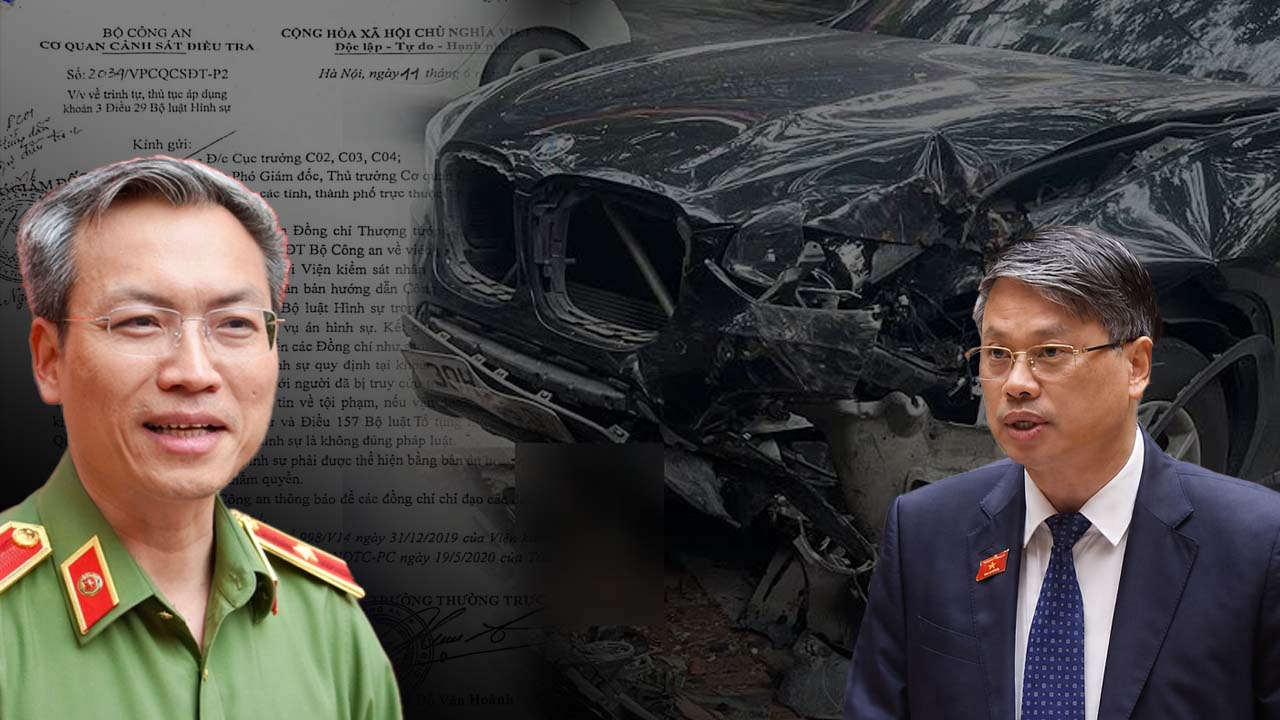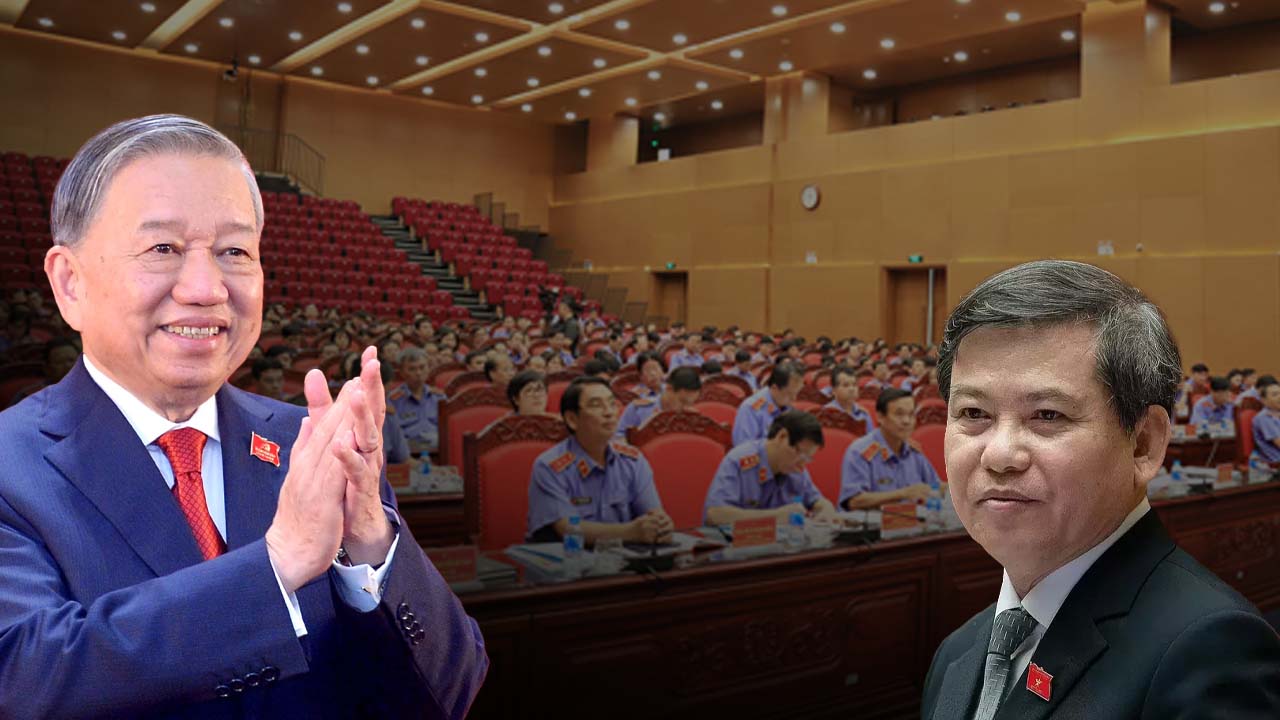
Chiều 24/8/2026, Ban Chấp hành Hội Nhà văn Việt Nam khóa 10 chính thức ra thông báo bãi nhiệm chức danh Chủ tịch Hội đối với ông Nguyễn Quang Thiều, đồng thời phân công Đại tá Quân Đội – nhà văn Nguyễn Bình Phương tạm thời điều hành. 

Quyết định này được đưa ra không lâu sau khi cuốn sách Chuyện với Thanh bị xử lý, và ông Thiều chịu kỷ luật “cách toàn bộ các chức vụ trong đảng” do liên quan đến những sai phạm trong công tác quản lý Nhà xuất bản Hội Nhà văn. 

Tuy nhiên, theo giới thạo tin việc gạt bỏ ông Thiều thay bằng một nhà văn Đại tá Quân Đội không đơn thuần là một thủ tục xử lý kỷ luật nội bộ thông thường. 

Đáng chú ý, trong những ngày gần đây, câu chuyện chính quyền Hà Nội dự định di dời Tượng đài “Quyết tử để Tổ quốc quyết sinh” ra khỏi khu vực Hồ Gươm bỗng bùng nổ thành một điểm nóng gay gắt của dư luận. 

Theo giới quan sát, các sự kiện vừa kể phản ánh một thực tế gai góc ở thượng tầng chính trị Ba Đình, khi Tổng Bí thư, Chủ tịch nước Tô Lâm vẫn đang đối mặt với những cơn sóng ngầm bất an từ phe bảo thủ.

Đồng thời, cuộc chấn chỉnh hệ thống chính trị hiện nay không chỉ nhắm vào các bộ phận quan trọng, mà đang lan rộng sang các địa hạt tư tưởng, văn hóa và truyền thông báo chí. 

Việc ông Nguyễn Quang Thiều bị buộc rời ghế Chủ tịch Hội Nhà văn trong khi tương lai chính trị của Tổng Biên tập Báo Nhân Dân Lê Quốc Minh vẫn chưa có sự định đoạt rõ ràng cũng cho thấy quá trình thanh lọc bộ máy vẫn chưa có điểm dừng. 

Sự lấp lửng và kéo dài này tạo ra một tâm lý bất an ngay trong lòng bộ máy, nơi ranh giới giữa việc xử lý sai phạm và thanh trừng phe cánh trở nên vô cùng mong manh và khó dự báo.

Chưa hết, câu chuyện tượng đài “Quyết tử để Tổ quốc quyết sinh” sẽ bị lãnh đạo Hà Nội cho di dời ra khỏi khu vực Hồ Gươm ngay lập tức bùng nổ thành một điểm nóng dư luận gay gắt. 

Đây được cho là các phản ứng và nghi vấn từ tầng lớp nhân danh cựu chiến binh của lực lượng Dư Luận Viên trên mạng xã hội trỗi dậy, do các “Hồng Vệ Binh” như ông Phan Trung Can dẫn dắt. 

Theo facebooker Nguyên Hà – PGS,TS triết học, hội viên Hội Nhà văn Hà Nội đã viết trên trang FB cá nhân nêu bật một vấn đề được cho là “hết sức nhức nhối” và bất an.

Theo đó, một “thuyết âm mưu” nhằm xóa bỏ các biểu tượng cách mạng truyền thống xuất phát từ bài đăng cá nhân của các cựu chiến binh đã nhanh chóng nhận được sự ủng hộ rộng rãi từ công luận. 

Khi một quyết định chỉnh trang đô thị đơn thuần lại bị “nâng quan điểm” bị nhìn nhận như động thái phủ định lịch sử phục vụ ý đồ cải cách, hay khai phóng, đã cho thấy sự đứt gãy về niềm tin của lực lượng AK-47 đối với ông Tô Lâm đang ở mức hết sức nhạy cảm.

Theo giới chuyên gia, một thể chế chính trị muốn vận hành trơn tru, êm thấm không chỉ dựa vào Công an hay Quân đội, mà bắt buộc phải làm chủ được mặt trận tư tưởng để giữ vững sự đồng thuận trong xã hội. 

Những rạn nứt từ cuốn sách “Chuyện Với Thanh”, nay kết hợp với các tranh cãi nhạy cảm về biểu tượng lịch sử tượng đài Quyết tử giữa trung tâm Thủ đô, đang phản ảnh cho thấy cuộc khủng hoảng niềm tin chưa được giải quyết triệt để. 

Việc Ban lãnh đạo thủ đô Hà Nội mượn tay các quyết định mang tính “lợi ích nhóm” để thay thế nhân sự hay di dời một tượng đài càng không thể khôi phục lại sự đồng thuận vốn đã bị tổn thương nghiêm trọng sau chuỗi dài các biến động ở thượng tầng.

Đối với Tổng Bí thư Tô Lâm, chừng nào các quyết định chính trị vẫn bị bao phủ bởi sự thiếu công khai, minh bạch và lợi ích nhóm vẫn tiếp diễn. 

Thì làn sóng phản đối từ lực lượng Dư Luận Viên của phe Quân Đội sẽ tiếp tục là bài toán hóc búa nó ngăn cản sự ổn định thực chất trong nội bộ Đảng, và sẽ không giải quyết được gốc rễ của sự bất an.

Trà My – Thoibao.de 
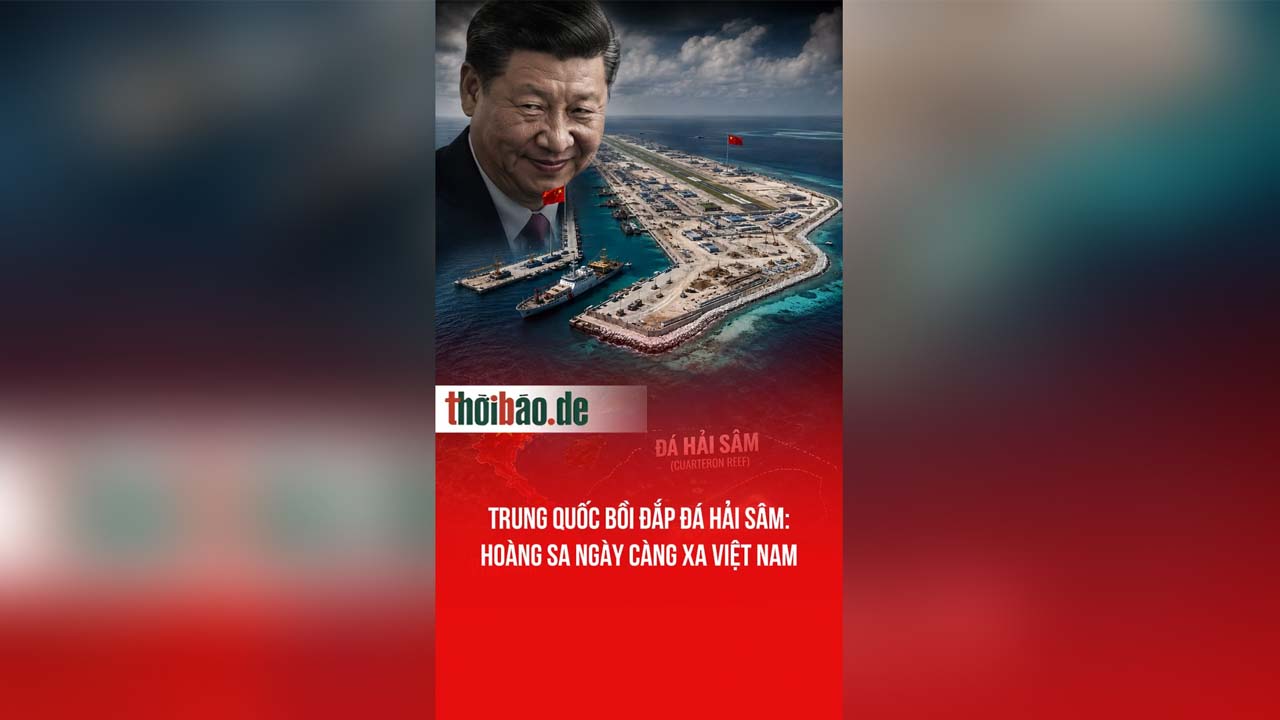
Si las imágenes de satélite difundidas por la BBC y Reuters son correctas, el arrecife de Hải Sâm está siendo objeto de una «gran remodelación» que hace que el mapa de las islas Paracel cambie día a día. Una isla artificial de casi 6 km de largo, con una costa recta de más de 3 km y un muelle de unos 680 metros: unas cifras que pueden parecer áridas, pero que encierran un enorme peso geopolítico. Porque ya no se trata simplemente de «construir unos metros más de tierra en medio del mar», sino de preguntarse qué es lo que China pretende convertir este lugar.

Más llamativo aún es que los analistas se preguntan si ese tramo de costa recta podría servir para una pista de aterrizaje, mientras que el muelle se adentra en aguas profundas y ya se han avistado barcos de la guardia costera. Si estas evaluaciones son correctas, la fórmula resulta demasiado familiar: primero se acumula tierra, luego se construye, y finalmente se convierte la presencia en una realidad cada vez más difícil de revertir. El mar es amplio, pero cada metro de tierra artificial puede hacer que el espacio estratégico resulte cada vez más estrecho.

Y esto es lo que realmente preocupa: la soberanía no reside solo en los mapas o en las declaraciones diplomáticas. Reside también en la capacidad de estar presente, controlar y proteger los intereses sobre el terreno. Vietnam reivindica la soberanía sobre las islas Hoang Sa, mientras que China controla de hecho este archipiélago. Por lo tanto, la pregunta no es «¿Cuánto se ha ampliado hoy el arrecife de Hải Sâm?», sino «¿hasta cuándo las nuevas construcciones se convertirán en una realidad que la región se verá obligada a aceptar?» Quizás ese sea el cálculo más peligroso en el Mar de China Meridional.

https://www.facebook.com/share/v/19Q1ZZc7HU/

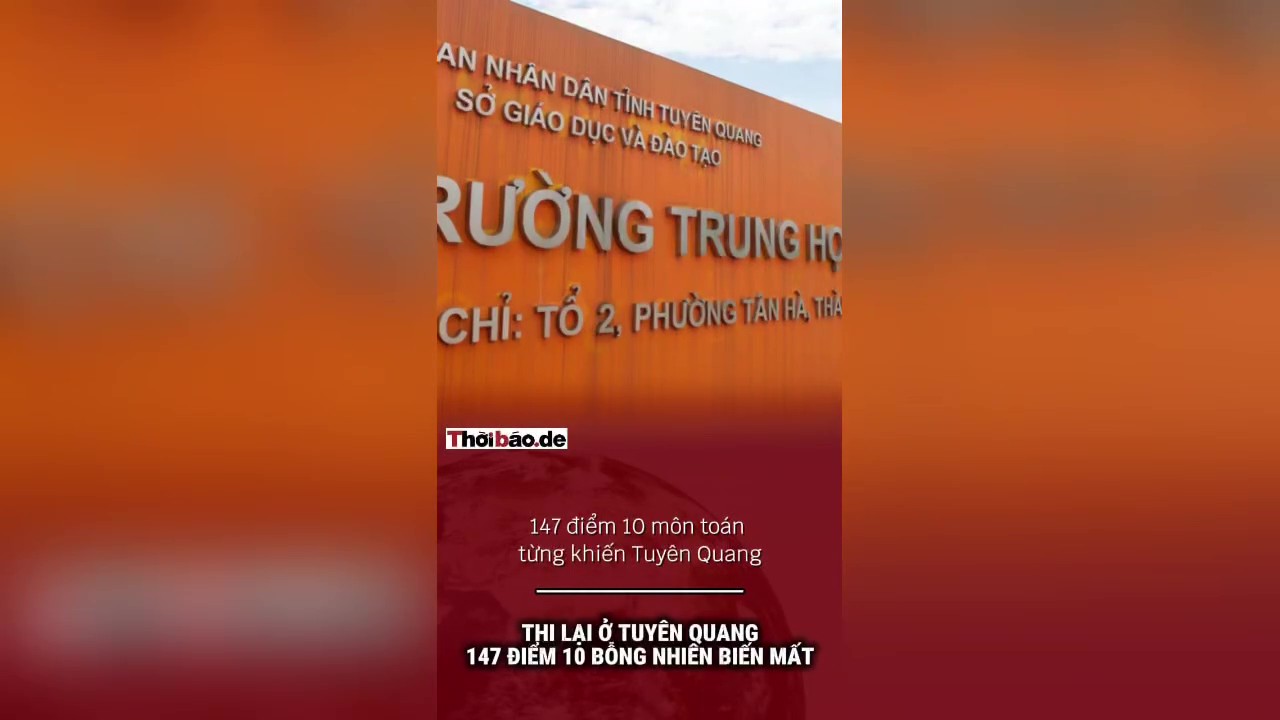
Les 147 notes de 10 en mathématiques avaient fait de Tuyên Quang un nom qui avait fait sensation sur la carte des résultats. Sur 328 candidats, pas moins de 147 avaient obtenu la note maximale, et la moyenne avait grimpé à 9,58 — un chiffre si parfait qu’on aurait dit qu’il avait été tracé à la règle. Mais un scandale de tricherie a été découvert, et l’examen a été refait avec 326 candidats. Et la question la plus dérangeante s’est posée : si le sujet de l’examen de rattrapage était un test équitable, pourquoi le tableau des notes est-il si différent ?

Ce qui importe, ce ne sont pas les notes, qu’elles soient élevées ou basses, mais la confiance. La note de 10 est censée récompenser le mérite, mais lorsqu’un examen est entaché par des soupçons de tricherie, ce 10 se transforme soudain en un immense point d’interrogation. Les 147 notes de 10 obtenues auparavant ne sont pas seulement des chiffres sur le papier ; derrière chaque note se cachent les efforts des élèves, les attentes des parents et l’honneur de tout un milieu éducatif. Une fois la confiance perdue, même le plus beau relevé de notes a du mal à convaincre.

Le nouvel examen n’est donc pas seulement une deuxième évaluation des connaissances. Il s’apparente à un « audit » forcé de ces chiffres qui avaient autrefois suscité l’émerveillement. Si les nouveaux résultats s’avèrent sensiblement différents, l’opinion publique est en droit de se demander : qu’est-ce qui a permis ce miracle des 147 notes de 10 initiales ? Et si des irrégularités sont avérées, qui assumera la responsabilité pour que les élèves honnêtes n’aient pas à payer le prix d’un jeu déloyal ? Peut-être que ce qui doit finalement être réévalué, ce ne sont pas les épreuves, mais l’honnêteté de l’ensemble du système.

https://www.facebook.com/share/v/1C72pK89FF/

18歳の女子学生が事故で命を落としたが、世論が疑問を抱いているのは、単なる道路上の悲劇だけではない。事故を起こした人物に関する情報が「N.S.C.(64歳)」という形で控えめに報じられ、その役職や氏名が公表されなかったとすれば、最も皮肉な疑問はこれだ:なぜその名前をそこまで厳重に隠す必要があるのか?もしかすると、どこかに、一般市民には決して与えられない「沈黙の特権」を享受している名前が存在するのだろうか? 

1年が経過し、ソーシャルメディアは短いニュース記事では成し得なかったことを再び行っている。つまり、疑問を投げかけることだ。人々は情報を追い求め、事実を照合し、語られたことと語られなかったこととの間の空白に注目し始めた。もしメディアが本当に大衆に対して責任を持っているのなら、透明性は原則であるべきであり、物語に登場する人物の地位に左右されてはならない。関係者が公職にあるという理由だけで、人命の重みが軽くなることはない。

また、「世界へ広がる」という話については、別の意味で理解すべきだろう。インターネットの時代において、かつては沈黙の中に埋もれていたような事柄も、もはや簡単に消え去ることはなくなったのだ。ある事件は簡略化されて伝えられるかもしれないが、大衆の疑問はそう簡単に省略できるものではない。そして、もし上記の情報が正確であるならば、最大の疑問は依然として残っている:何が原因で、この重大な事件が真正面から向き合われるまでに1年以上もかかったのか? おそらく、これこそが最も深く考えさせられる「国際的な成果」なのだろう。

https://www.facebook.com/share/v/19CmZokmfu/

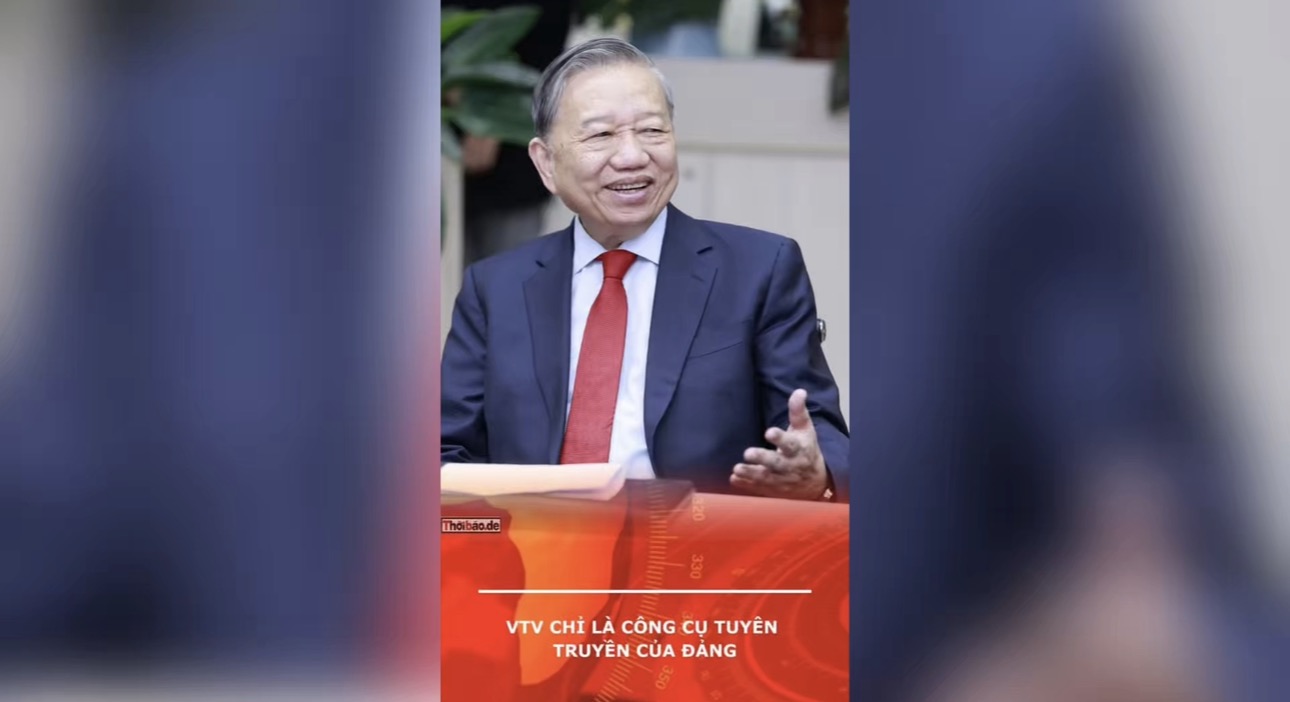
如果 VTV 的職能確實包含「引導社會輿論」和「鞏固人民對黨的信心」,那麼一個難以迴避的問題便浮現出來:VTV 究竟是在從事服務公眾的新聞工作,還是正在執行上級交辦的政治任務?當時每戶家庭中的電視機,突然多了一項非常特殊的角色:不僅是傳遞新聞,更是在引導觀眾該相信什麼。

Screenshot

但宣傳越是試圖披上客觀的外衣,其矛盾就越容易暴露。一則新聞可以被剪輯,一張圖片可以被挑選,一句話可以被強調——只要改變幾個細節,同一事件便可能呈現出截然不同的「意義」。在社群媒體時代,情況更是諷刺:如今的觀眾不再靜靜坐在螢幕前接受單向資訊灌輸。他們會交叉比對、追溯來源、剪輯影片、提出質疑,甚至逐幀檢視。

因此,問題不再單純在於VTV是否有權進行引導,而在於引導到何種程度,以及還留有多少空間讓真相自行發聲?如果一家媒體機構被賦予鞏固公眾信心的任務,那麼最持久的說服方式或許不是多說,而是更加透明。因為在這個時代,一部手機就能成為數百萬人的事實查核室,信任不能像節目一樣按時播出——它必須由公眾親自驗證。

https://www.facebook.com/share/v/1C4kRXaAFU/

Видео было опубликовано, история, казалось бы, «закрыта», но эта «крышка», похоже, чем сильнее её прижимают, тем сильнее она отскакивает. Если распространяющиеся подозрения имеют под собой основания, то выдвижение Нгуен Си Куонга в центр внимания ничем не отличается от того, чтобы поставить на шахматную доску пешку в обмен на несколько дней затишья. Вопрос в том: действительно ли общественность забыла о BMW, женщине в чёрном и оставшихся без ответа вопросах? Или чем больше пытаются отвлечь внимание, тем пристальнее люди вглядываются в то, что нужно скрыть?

Пропагандистский ход, который когда-то надеялись использовать как «противоядие», рискует превратиться в стимулятор. Когда часть поколения Z получает ярлык «подстрекаемых», реакция неизбежно выходит за рамки одного конкретного случая и превращается в более широкий вопрос: почему у общественности нет права на сомнения? И если все несогласные голоса могут быть заклеймены как «враждебные силы», то кто же на самом деле своими руками увеличивает разрыв между властью и молодым поколением?

Поэтому, если за кулисами действительно идет борьба за власть, то Нгуен Си Куанг, вероятно, является лишь верхушкой айсберга. Ни приговор, ни медийная кампания, ни искусно инсценированное признание вины не могут заменить ответы на ключевые вопросы. Пешку можно сбросить с шахматной доски, но игрок остаётся на своём месте. И самый страшный вопрос сейчас заключается не в том, кого привлекут к ответственности, а в том: после первой пешки кто станет конечной целью?

https://www.facebook.com/share/p/1BoqUT6z2E/

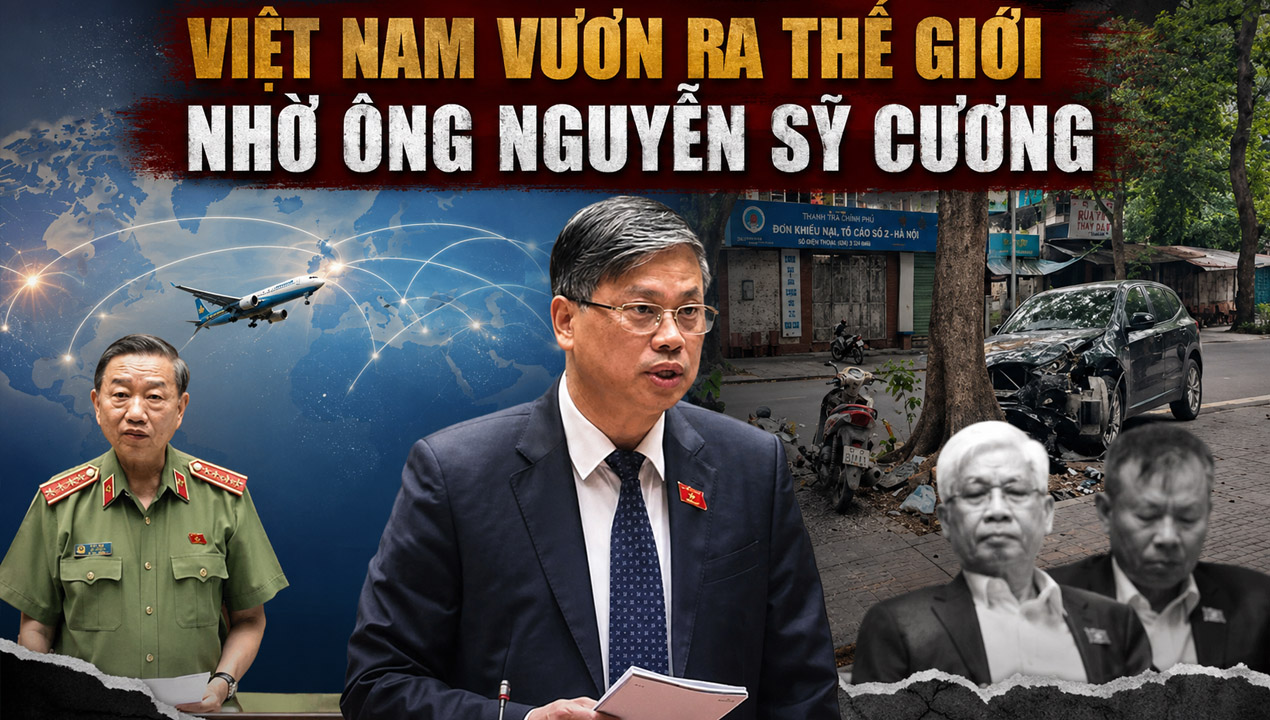
Ein Dokument aus dem Jahr 2020, das vom Innenministerium herausgegeben wurde, tauchte überraschend auf und verbreitete sich rasant in den sozialen Netzwerken – genau zu dem Zeitpunkt, als die Öffentlichkeit über den Verkehrsunfall im Zusammenhang mit Herrn Nguyễn Sỹ Cương in Aufruhr war.

Es handelt sich um das Schreiben Nr. 2034/VPCQCSĐT-P2, das am 11. Juni 2020 von Generalmajor Đỗ Văn Hoành, dem stellvertretenden Leiter der Ermittlungsbehörde des Ministeriums für öffentliche Sicherheit, unterzeichnet wurde und nun als rechtliche Grundlage für Zweifel an der Rechtmäßigkeit des Vorgehens der Polizei von Hanoi und der gleichrangigen Staatsanwaltschaft dient.

Das öffentliche Auftauchen des Schreibens Nr. 2034 zu diesem Zeitpunkt ist kein Zufall. Es wird als gezielte Informationsfreigabe aus dem Inneren angesehen, um der Öffentlichkeit und der Rechtswissenschaft die schärfste „rechtliche Waffe“ an die Hand zu geben.

Vor dem Hintergrund, dass die Strafverfolgungsbehörden der Hauptstadt Hanoi Herrn Nguyễn Sỹ Cương bereits in der Phase der Bearbeitung der Strafanzeige absichtlich von der „strafrechtlichen Verantwortung“ befreit haben.

Der Inhalt des Rundschreibens Nr. 2034 ist ganz klar und lässt keine andere Auslegung zu: Die Grundlage für die Befreiung von der strafrechtlichen Verantwortlichkeit gemäß Artikel 29 Absatz 3 des Strafgesetzbuches „darf“ nur in Bezug auf Personen geprüft und angewendet werden, gegen die bereits strafrechtliche Maßnahmen eingeleitet wurden – das heißt, gegen diese Person muss bereits ein Ermittlungsverfahren eingeleitet worden sein.

In dem Schreiben des Ministeriums für öffentliche Sicherheit wird zudem betont: Die Anwendung von Artikel 29 Absatz 3 des Strafgesetzbuchs in Verbindung mit Artikel 157 der Strafprozessordnung, um bereits in der Phase der Bearbeitung der Hinweise auf eine Straftat zu entscheiden, kein Ermittlungsverfahren einzuleiten, ist rechtswidrig.


Gleichzeitig muss die Befreiung von der strafrechtlichen Verantwortung zwingend durch ein Urteil oder eine offizielle Entscheidung einer zuständigen Behörde oder Person nach ordnungsgemäßer Einhaltung des Verfahrensablaufs zum Ausdruck gebracht werden.

Daher hat die Entscheidung der Polizei der Stadt Hanoi, von Anfang an keine Strafverfolgung einzuleiten und Herrn Nguyen Sy Cuong von der strafrechtlichen Verantwortung zu befreien, nicht nur eine schwerwiegende Rechtslücke offenbart, sondern stellt auch eine ungewöhnliche und rechtswidrige Begünstigung dar.

Warten wir ab, wie Herr To Lam damit umgehen wird.

Hong Linh – Thoibao.de

In October 2026, as planned, the Vietnamese National Assembly will have to address one of the most thorny issues in the political system when debating the Draft Law on the Organization of the Criminal Investigation Agency (Amendment).

According to legal experts, this issue will directly challenge a fundamental principle of any rule-of-law state: When those tasked with upholding justice violate the law, who will investigate them?


The latest proposal from the Ministry of Public Security once again calls for the abolition of the Investigation Agency under the Supreme People’s Procuracy and the consolidation of all investigative powers under the Security Investigation Agency of the Ministry of Public Security.


The Ministry of Public Security’s argument—that streamlining the system will eliminate overlapping responsibilities and end the parallel operation of the three investigative systems (those of the Ministry of Public Security, the Ministry of National Defense, and the Supreme People’s Procuracy)—seems reasonable in the context of current reform trends.

However, according to observers, a recent case involving former National Assembly Deputy Nguyen Sy Cuong serves as a prime example: after more than a year of the case file being transferred to the Hanoi Police for investigation, the case was closed unsatisfactorily. In essence, Mr. Cuong’s case is no different from that of the female student in Vinh Long who died.


Therefore, once a case is closed, if there is consensus between the investigating agency and the People’s Procuracy at the same level, there is only one remaining avenue for reconsideration: through the Investigation Department of the Supreme People’s Procuracy.


The Supreme People’s Procuracy has repeatedly and forcefully countered the Ministry of Public Security with a sharp, warning question: If their investigative agency were to be abolished, who would investigate when a police officer commits a crime?

Surely we wouldn’t entrust the investigation to the very colleagues within the Public Security sector—those who share the same agency and command structure as the offender? Or, to put it more lightheartedly, are we supposed to let police officers investigate their own “drinking buddies”?

Practice over the past nine years has also shown that the Investigation Department of the Supreme People’s Procuracy has handled hundreds of cases of misconduct directly involving police officers, judges, court enforcement officials, and prosecutors.


While this number may represent a very small proportion of the total number of criminal cases nationwide, its significance is immense because these cases directly undermine the “credibility of the judicial system.”


Therefore, the Ministry of Public Security’s demand to abolish this agency is tantamount to eliminating cross-checks, thereby stripping away the final safeguard against the risk of abuse of power within the judicial system. However, eliminating the mechanism whereby non-police personnel investigate police officers would create a serious threat.

When investigative power is concentrated entirely within a single entity under the Ministry of Public Security—without any accompanying cross-checking mechanisms—the risk of “self-cover-up” becomes inevitable. Who will ensure that the investigator looking into judicial misconduct is not a drinking buddy, a close associate, or a superior of the very person being accused? In the context of Vietnam’s current political system, Mr. To Lam—a former Minister of Public Security—is a figure notorious for his “narrow self-interest” regarding the Public Security sector.When investigative authority is concentrated in a single unit of the Investigative Security Agency under the Ministry of Public Security, it will neutralize the judicial system’s ability to self-purge.Looking around the world, no country has built a strong judicial system by allowing a force to investigate its own internal affairs without the involvement of an independent body. If the Vietnamese National Assembly passes this change while bypassing the necessary checks and balances, it will seriously undermine social justice. Tra My – Thoibao.de =======Abolishing the Procuracy’s Investigation Agency: Streamlining or Granting Monopoly Power to To Lam?“… The proposal to abolish the Procuracy’s Investigation Agency raises a major question: is this a step toward streamlining the bureaucracy, or a shift in the balance of power in favor of Mr. To Lam in judicial proceedings?”#Vietnam #ChinhTruongVN #Thoibao

Trường hợp Nguyễn Quang Thiều, nếu nhìn từ nghịch lý mà người ta đang bàn luận, quả thật có cái cay đắng của một màn hài đen. Một người từng dành nhiều năm hoạt động trong hệ thống, viết sách, viết kịch bản và tham gia các hoạt động văn hóa chính thống, cuối cùng lại phải rời vị trí lãnh đạo Hội Nhà văn Việt Nam và trước đó chịu những xử lý về mặt Đảng. Câu chuyện đặt ra một câu hỏi khó chịu: phải chăng trung thành cũng có thời hạn, và công lao cũng có lúc trở thành món nợ?

Điều trớ trêu nằm ở chỗ: nếu một người chọn đứng ngoài hệ thống, công khai phản biện, cái giá phải trả có thể được nhìn thấy ngay từ đầu. Nhưng khi đã tận tụy đi cùng hệ thống, đến lúc bị chính hệ thống loại khỏi vị trí, người ta mới nhận ra một sự thật lạnh lùng: quyền lực không phải là hợp đồng bảo hiểm cho danh tiếng. Hôm nay còn được trọng dụng, ngày mai có thể trở thành cái tên bị đem ra xét lại. Và những gì từng được xem là “đúng đường” chưa chắc đã bảo đảm một kết thúc đẹp.

Có lẽ bài học lớn nhất không nằm ở chuyện một cá nhân mất chức, mà ở câu hỏi rộng hơn: một người cầm bút nên phục vụ quyền lực hay phục vụ sự thật? Chức vụ có thể mất, danh hiệu có thể thay đổi, nhưng tác phẩm và cách một nhà văn đứng trước lịch sử thì còn lâu hơn một nhiệm kỳ. Đến cuối cùng, thứ quyết định một người được nhớ đến thế nào có lẽ không phải chiếc ghế từng ngồi, mà là những gì họ dám viết khi chiếc ghế ấy không còn nữa.

https://www.facebook.com/share/p/19LGaxcGn3/

Sau một vụ tai nạn, điều người ta chờ đợi đầu tiên không phải là những lời biện minh, mà là một hành động rất đơn giản: ở lại và cứu người. Vì thế, câu hỏi về những gì ông Cương làm ngay sau tai nạn không phải chuyện bên lề. Ông có ở lại hiện trường? Có gọi cấp cứu, hỗ trợ các nạn nhân? Hay đã rời đi? Những câu hỏi ấy càng đáng chú ý khi câu trả lời có thể tác động trực tiếp đến việc xem xét trách nhiệm hình sự.

Theo quy định được viện dẫn, nếu có căn cứ xác định người gây tai nạn “bỏ chạy để trốn tránh trách nhiệm hoặc cố ý không cứu giúp người bị nạn”, tình tiết này có thể thuộc điểm c khoản 2 Điều 260 Bộ luật Hình sự. Khi đó, cánh cửa miễn trách nhiệm hình sự theo khoản 3 Điều 29 cũng không còn là một lối thoát mặc nhiên. Nói cách khác, vài phút sau cú va chạm có thể quan trọng chẳng kém chính cú va chạm.

Và đây mới là điều đáng suy nghĩ: một vụ án không thể được giải quyết bằng cách né tránh những câu hỏi khó. Nếu ông Cương đã ở lại, cứu giúp người bị nạn, cần làm rõ bằng chứng để chứng minh điều đó. Nếu ông đã rời hiện trường, cũng cần trả lời chính xác vì sao, đi đâu và hành động gì tiếp theo. Pháp luật không nên vận hành theo cảm tính, càng không thể để những khoảng trống thông tin trở thành nơi sự thật bị bỏ lại.

https://www.facebook.com/share/p/19QUuGevJM/