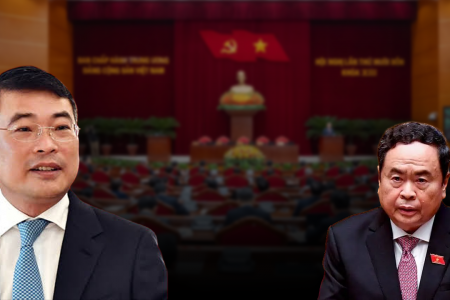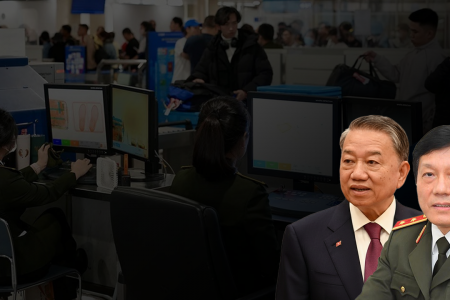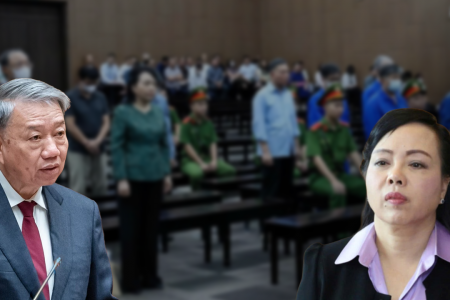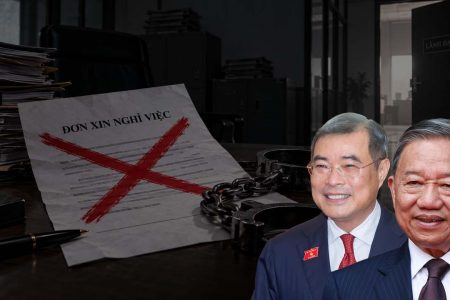
Beneath the veneer of “planning, standards, and a rational structure,” the list of nearly 200 members of the Party’s 14th Central Committee is being read by many observers less as a straightforward personnel roster than as a map of hidden power. The question is no longer who was selected, but why that person was selected.
In this list, it is not difficult to spot names bearing the mark of “bloodline”: children of former Politburo members, children of past leaders in the military or public security, or close relatives of figures who currently wield real authority. On paper, all of them “meet the standards,” yet the repetition of similar family backgrounds prompts public suspicion: is this the inheritance of competence, or a transfer of power along family lines?
A more subtle layer involves bureaucratic alliances. Some officials rise almost in lockstep with a particular “patron” over multiple terms—moving together from province to ministry to the central level—forming unofficial “duos” in practice. But a paradox emerges when the patron is removed from the game while the subordinate still steps confidently into the new Central Committee. Is this the result of “switching sides at the right moment,” or the product of behind-the-scenes arrangements made before the decisive hour?
The 14th Central Committee is not merely a place where power converges; it is the outcome of a balancing act of relationships—between one faction and another, between past and present, between achievements and loyalty. In that context, individual capability is only a necessary condition; the sufficient condition lies in which network you belong to.
And the final question still hangs in the air: was the 14th Central Committee formed by collective will, or by power lines that had long been drawn in advance?
Chan Dung Lanh Dao